Every professional has experienced it: the moment after a great conversation when both parties reach for their phones. Numbers get typed, names get misspelled, LinkedIn gets searched. By the time the connection is established, the energy of the meeting is already gone. NFC business cards eliminate that entirely — one tap, and your complete professional profile is on their phone.
But convenience is just the beginning. NFC business cards offer advantages that compound over time — lower long-term costs, zero reprinting, live data, and a first impression that paper cannot match. This post breaks down every benefit in detail.
What is NFC technology?
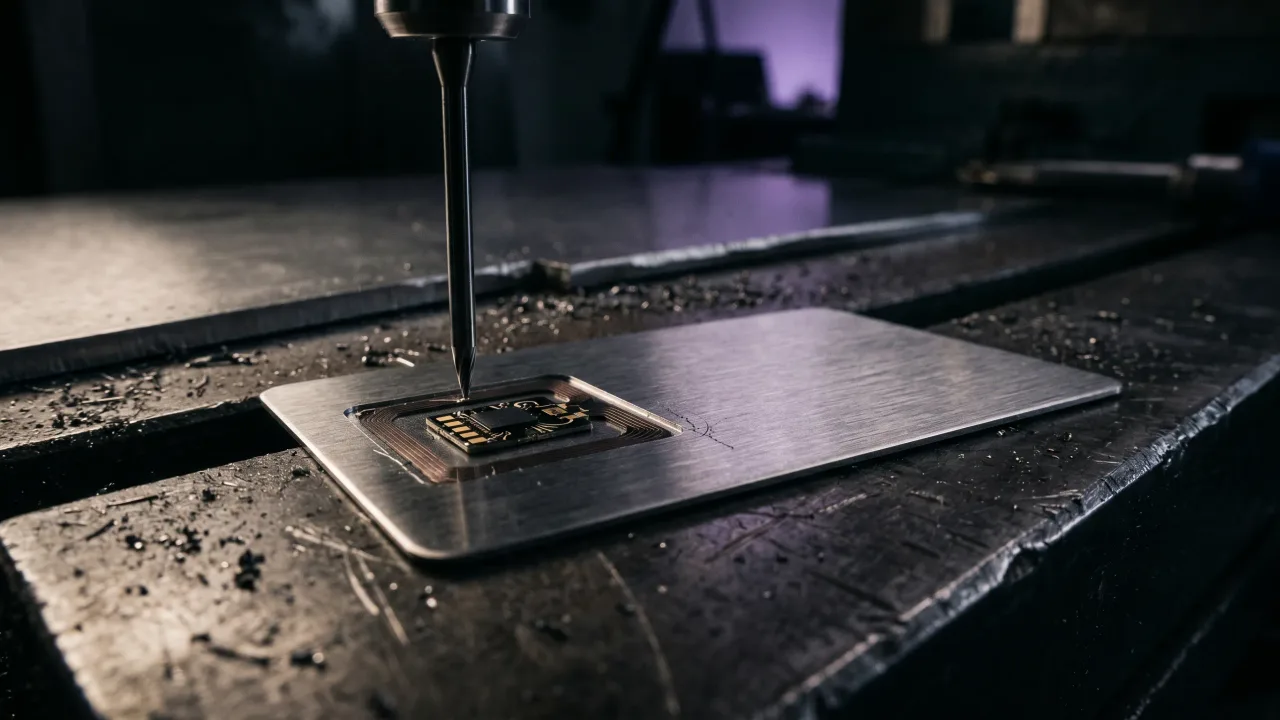
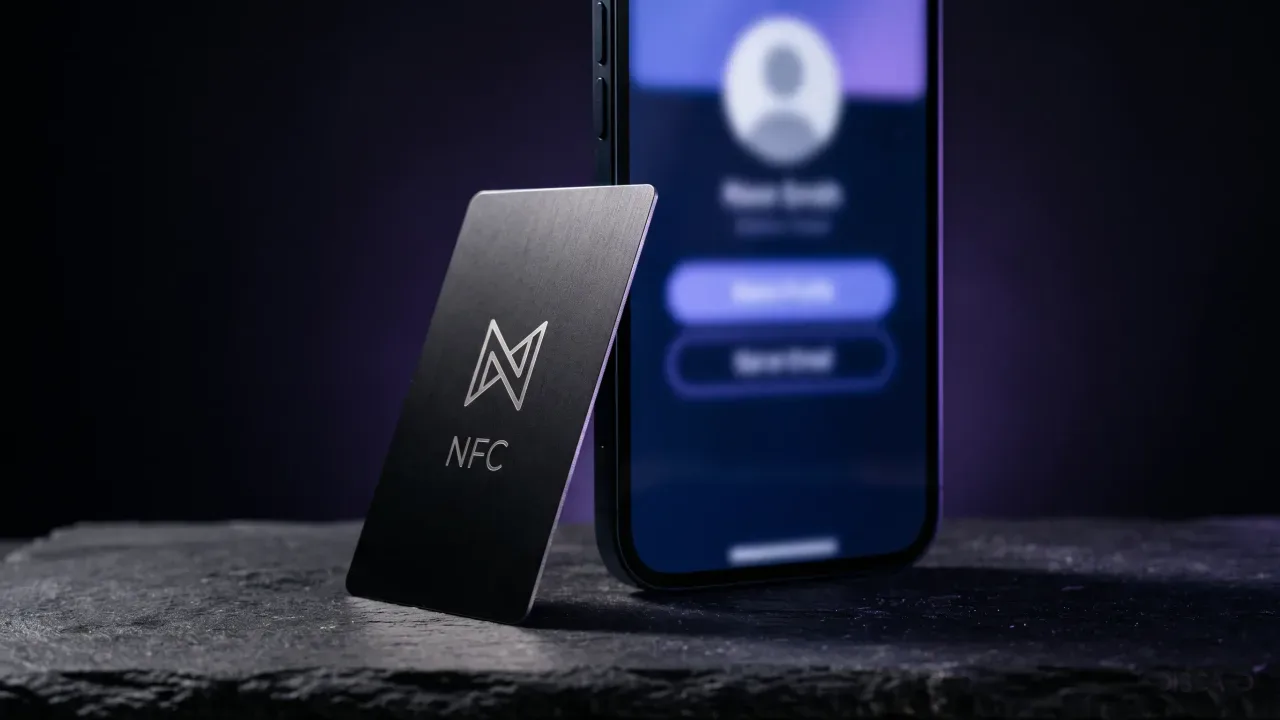
NFC stands for Near Field Communication — a short-range wireless standard that enables two devices to exchange data when brought within a few centimetres of each other. The same technology powers contactless payments on your debit card and Apple Pay. When embedded in a business card, it allows any modern smartphone to instantly open a URL simply by touching or hovering close to the card.
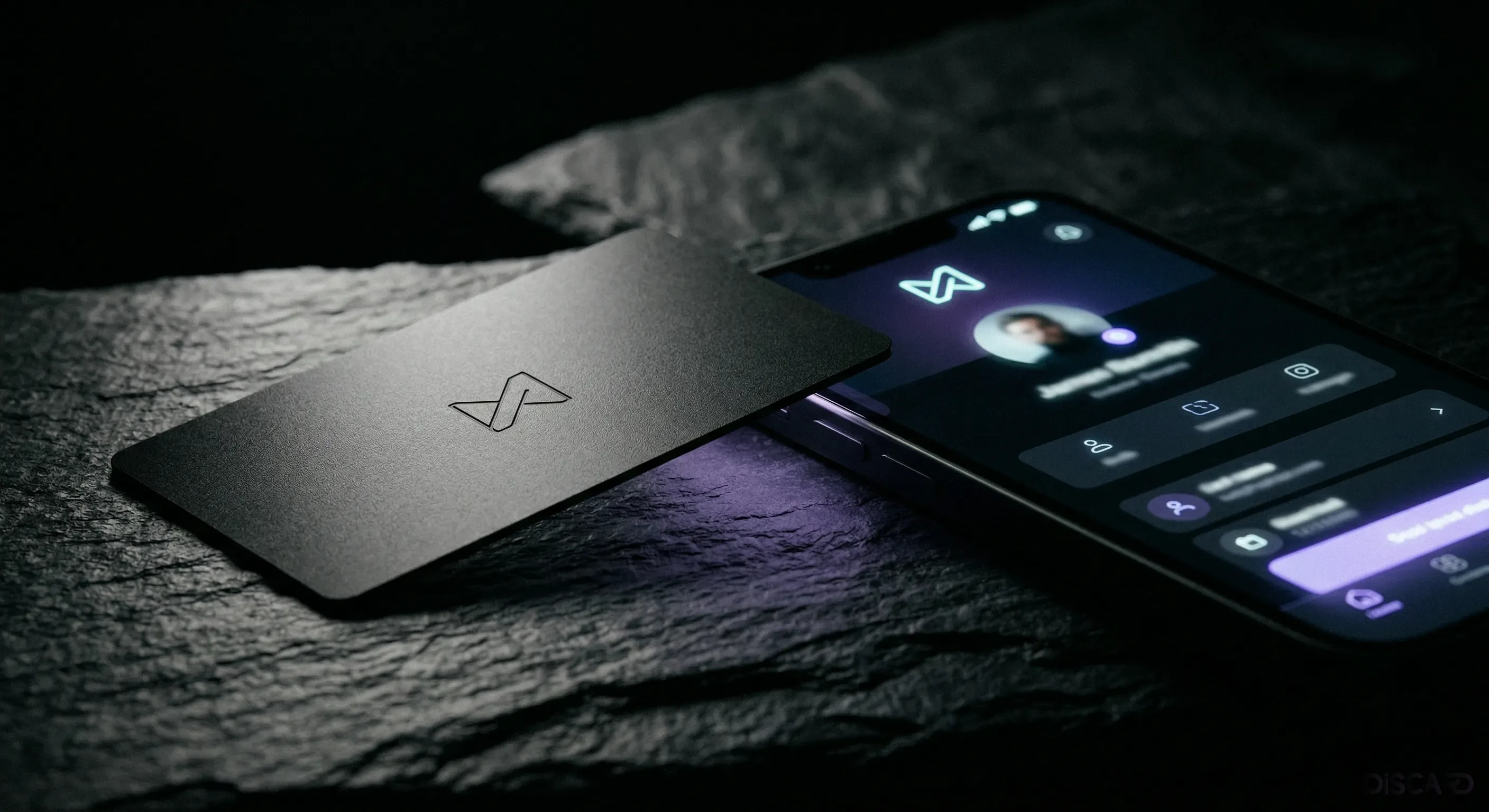
No app is required on either end. The recipient doesn't need to download anything, create an account, or do anything other than hold their phone near the card. On iPhones (iPhone 7 and later), iOS scans for NFC tags automatically in the background. On Android, the same works through the phone's native NFC settings. The entire process takes under one second.
Instant contact sharing — zero friction
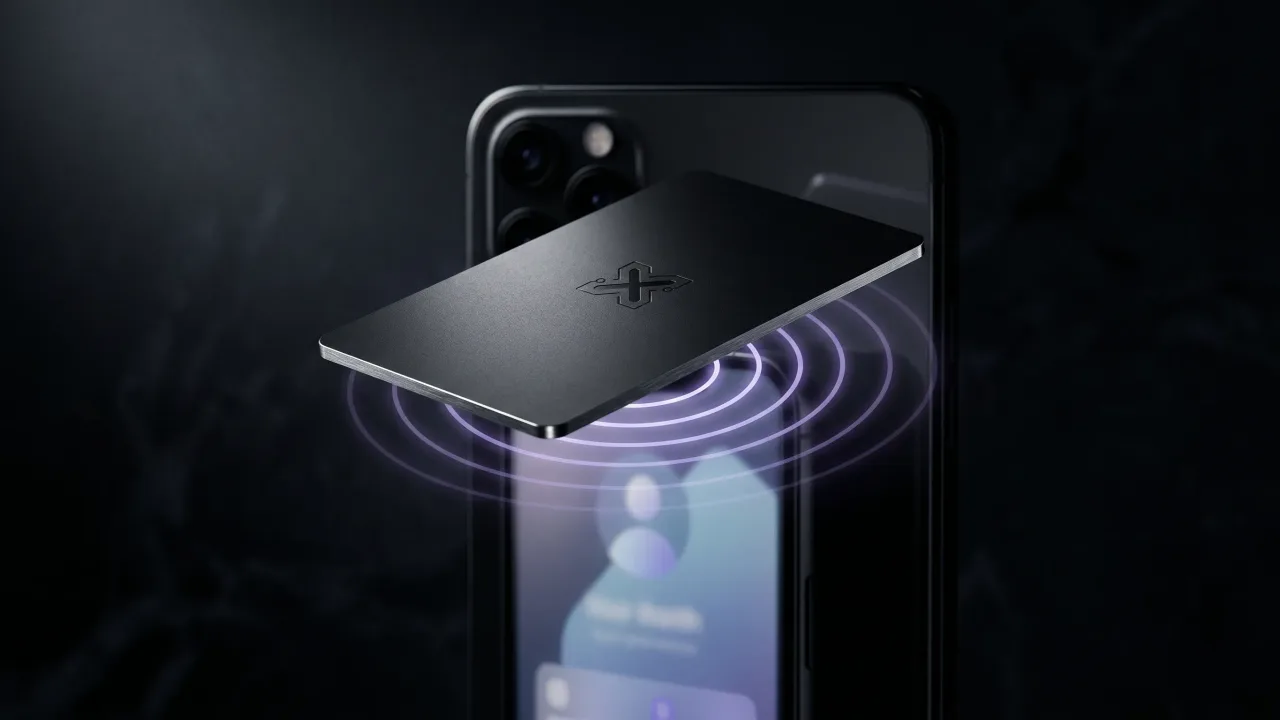
The defining benefit of NFC business cards is the speed and elegance of the sharing moment. A tap replaces a sequence of steps — searching a name, requesting a connection, typing an email — with a single gesture. The recipient's phone opens your digital profile immediately: photo, name, title, phone, email, social links, and portfolio all visible at once.
In practice, this changes how introductions feel. The exchange is complete before the conversation has even ended. No awkward wait while someone types your email incorrectly. No "I'll find you on LinkedIn later" that never happens. The contact information is already on their phone, ready to be saved with one tap.
Your profile is always current — no reprints
The single biggest cost of traditional business cards is reprinting. Job title changes, new phone numbers, rebrands, address updates — every change triggers a new print order. The average professional reprints their business cards two to four times per year, spending €240–€480 over three years on cards that are already outdated by the time they arrive.
With an NFC business card, the physical card never changes. Your Discard digital profile is updated through your dashboard — change your title, add a new social link, update your phone number — and the change is live instantly. The next time someone taps your card, they see the current version. One card, for life.
A first impression paper can't replicate
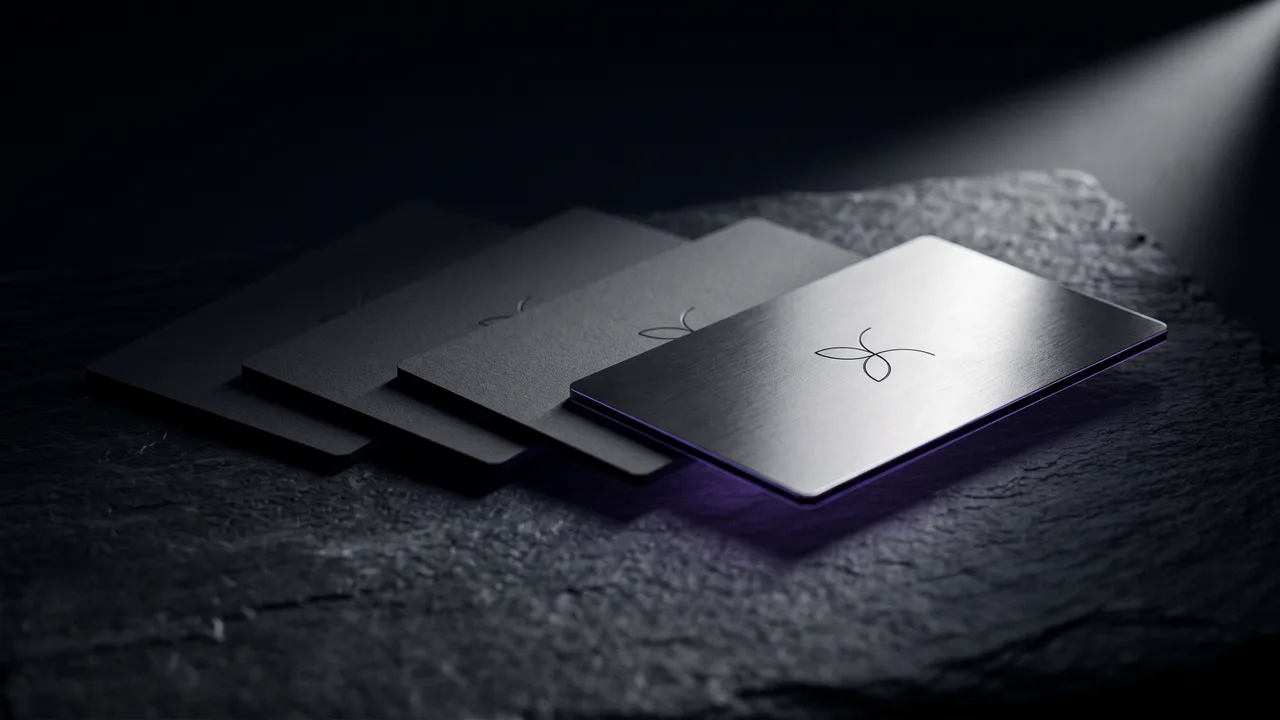
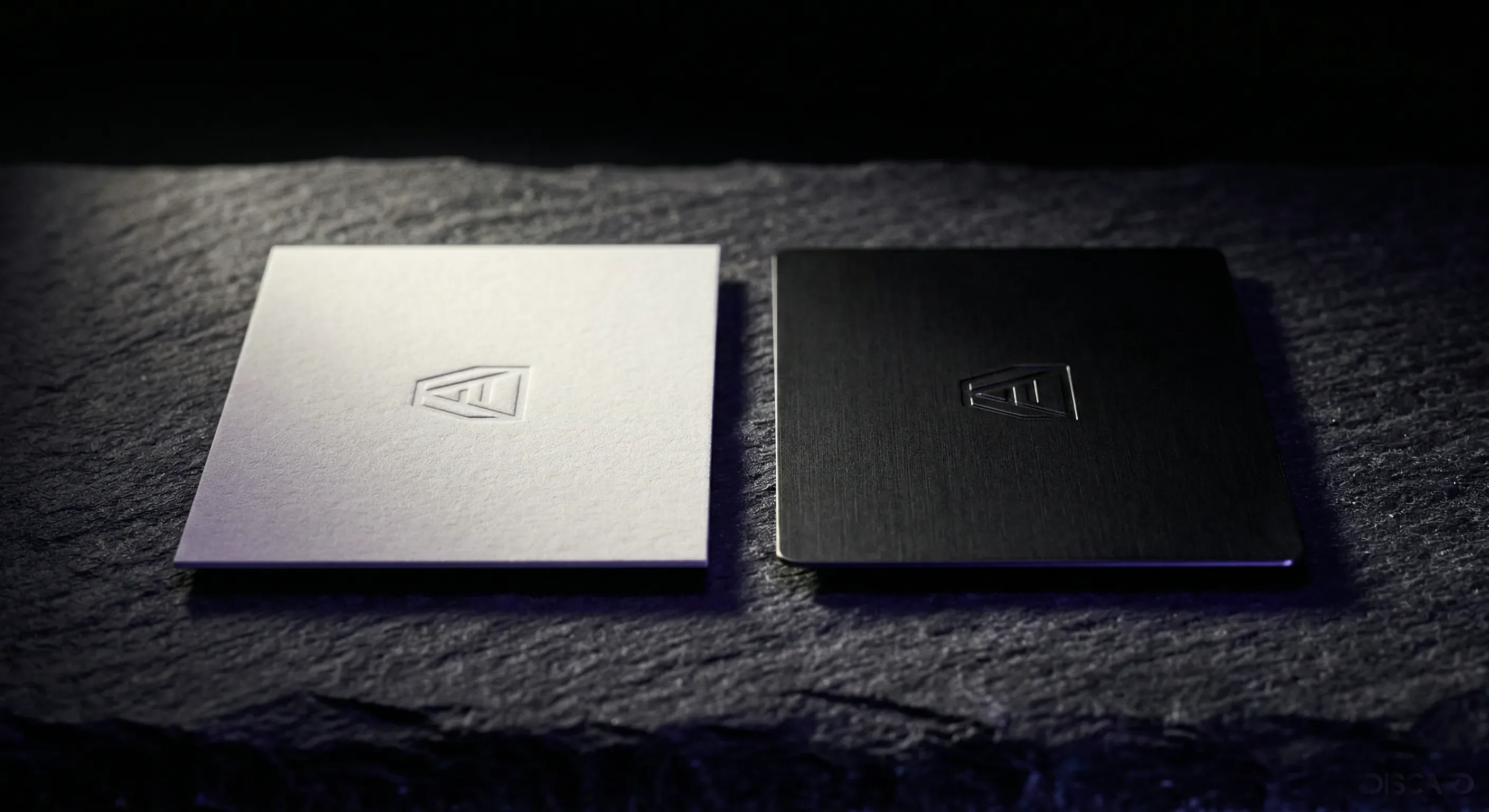
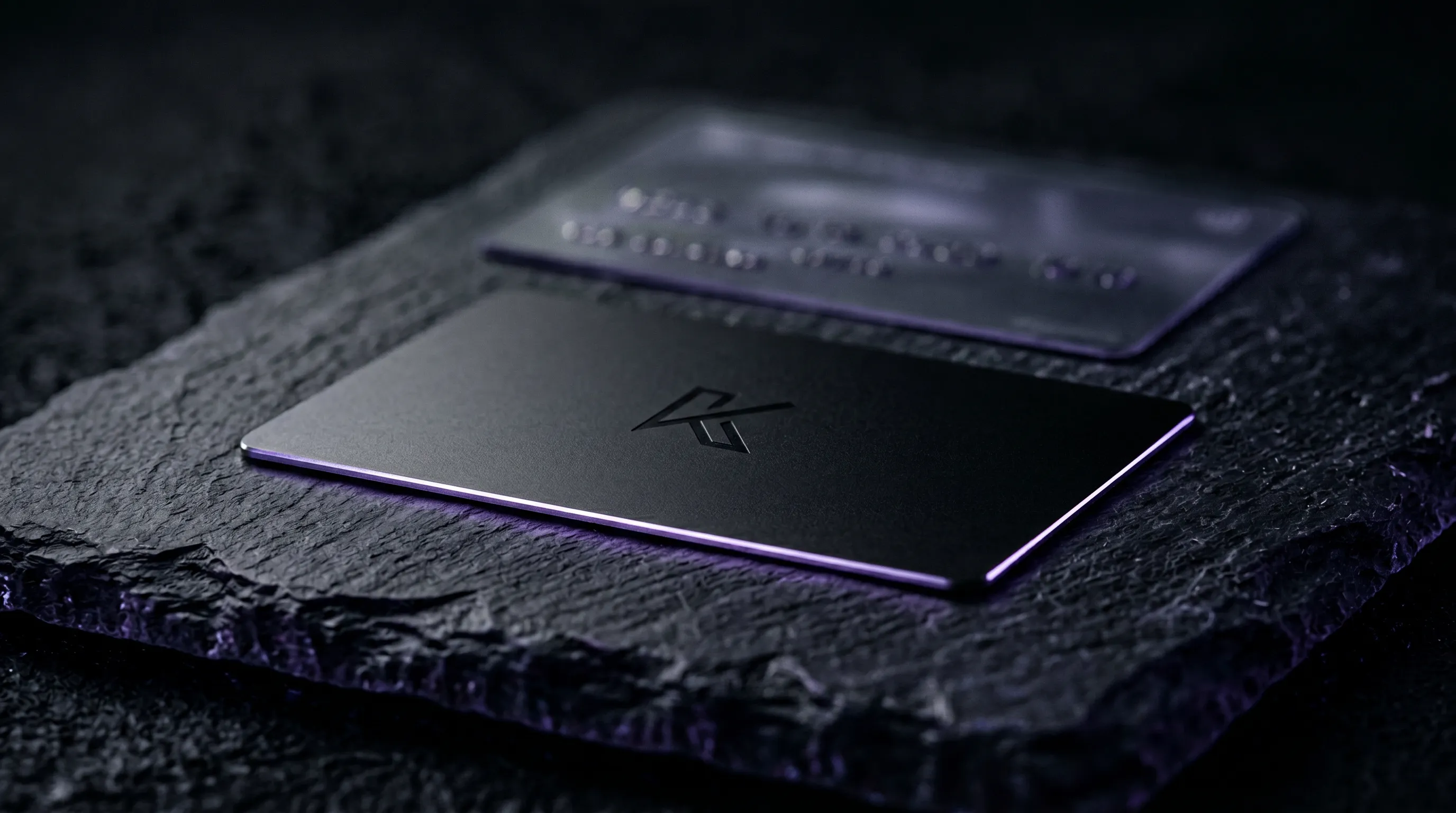
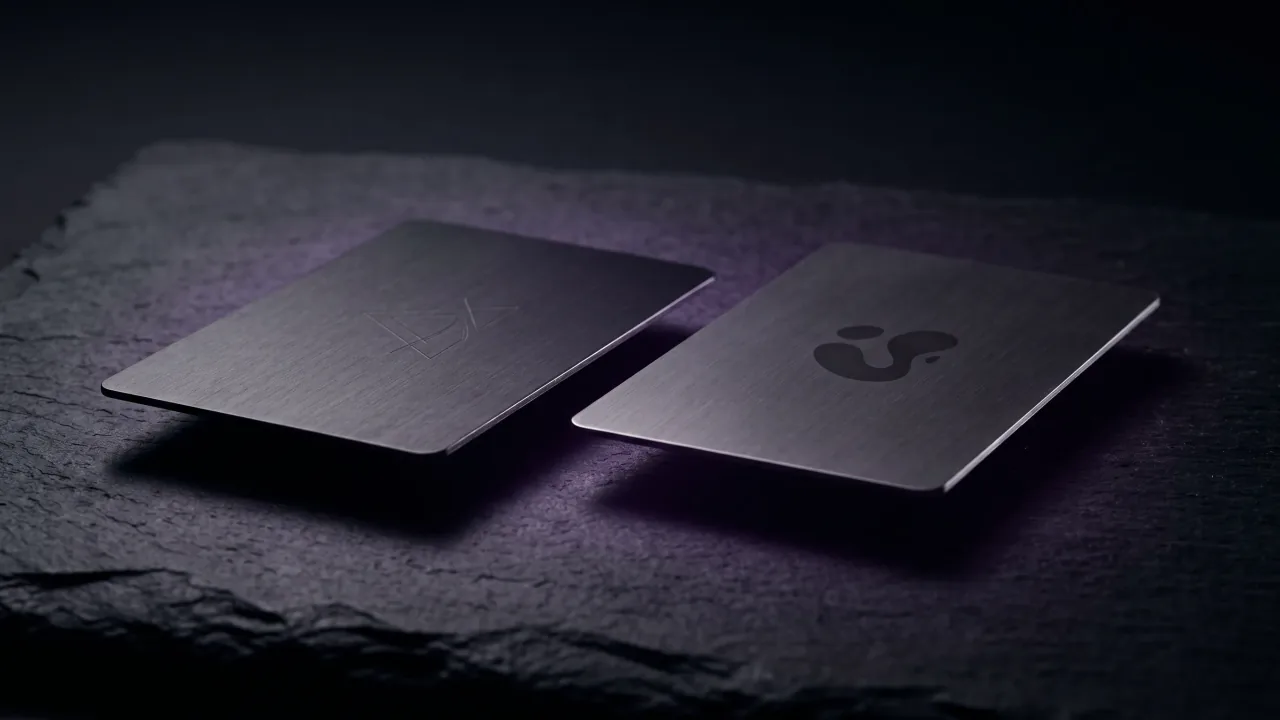
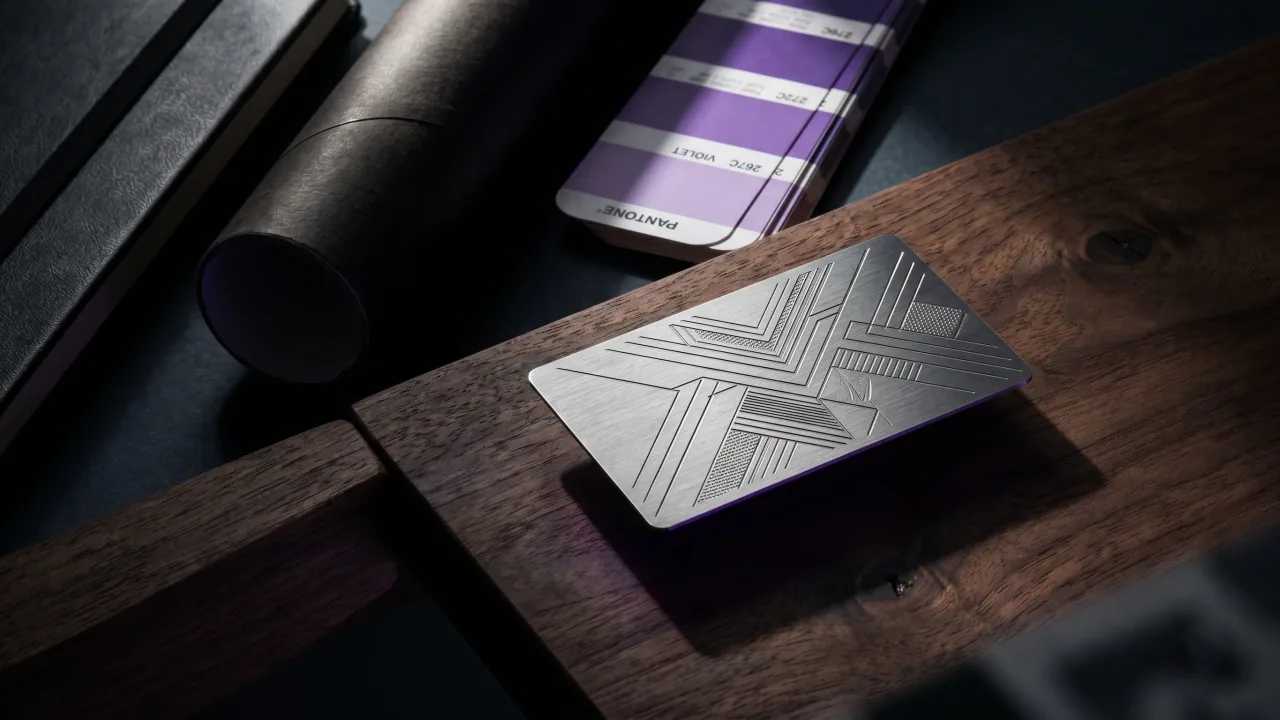
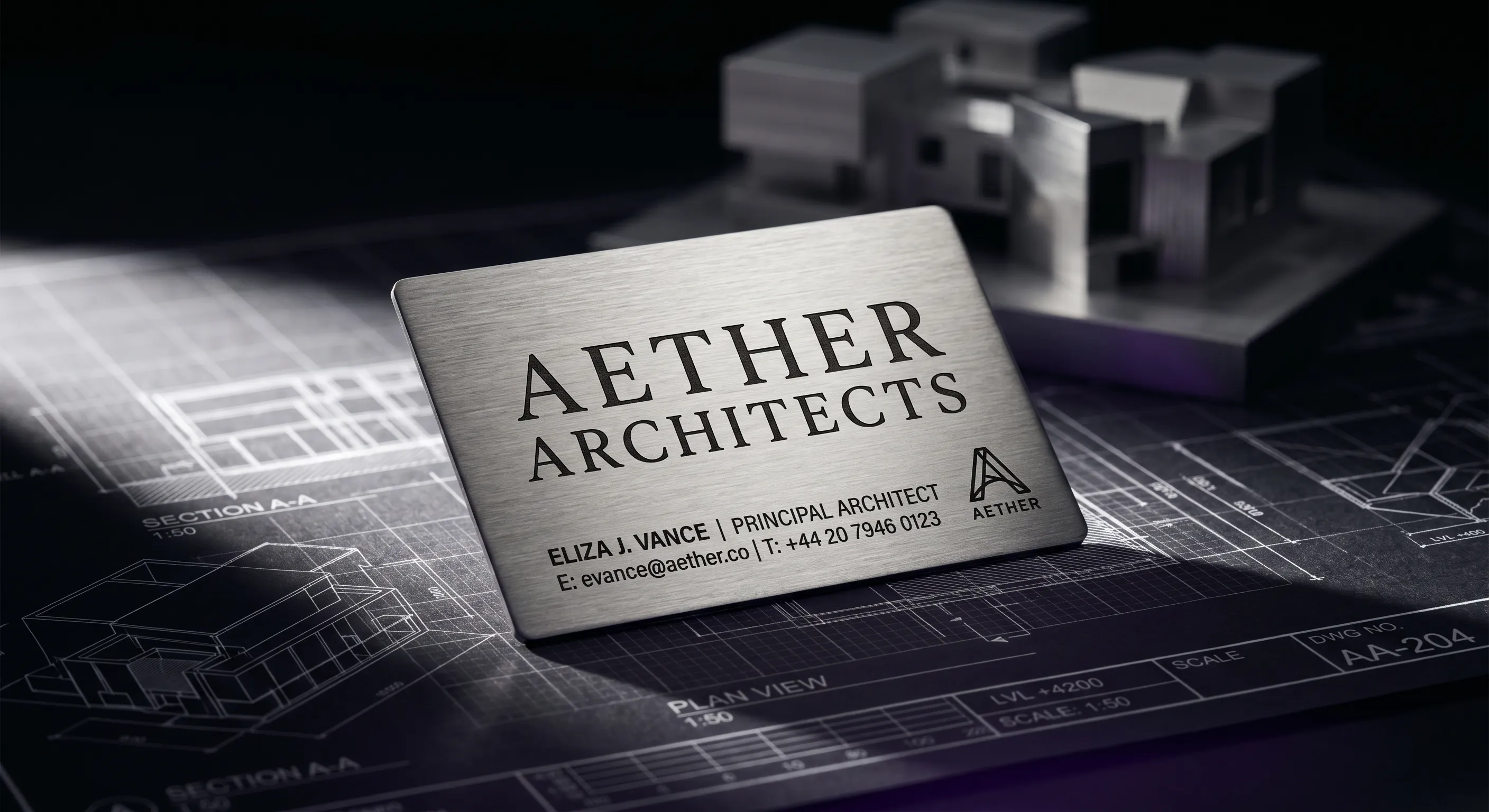
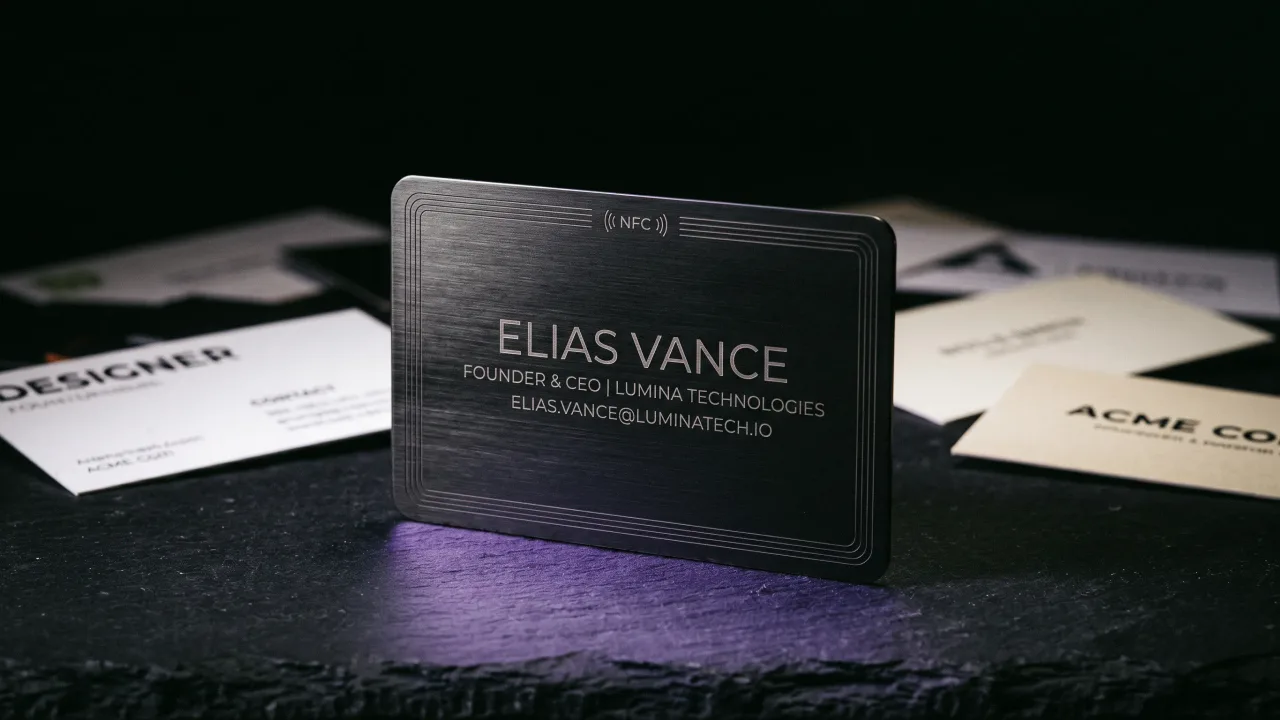
The physical experience of receiving a metal NFC card is different in kind from receiving a paper card. The weight of stainless steel. The precision of laser engraving. The moment the recipient taps it against their phone and watches a profile open — there is no equivalent in paper networking. It becomes a conversation piece on its own.
In high-stakes professional environments — founder meetings, creative pitches, executive introductions — the materials you carry communicate your standards. A metal NFC card signals that you think carefully about the details of your professional presence. That inference transfers directly to how people perceive your work.
Sustainability — made once, used forever
The environmental cost of paper business cards is substantial at scale. An estimated 10 billion paper business cards are printed globally each year. Of those, approximately 88% are discarded within a week of being handed out. The paper, inks, coatings, and shipping involved in this cycle represent significant ongoing waste.
A metal NFC business card is manufactured once and used indefinitely. There's no reprinting cycle, no wastage from outdated stock, and no disposal problem. For professionals who care about their environmental footprint, the case for NFC is straightforward.
Profile analytics — know who engaged
Traditional paper cards offer zero insight into what happens after the handoff. You hand someone a card and have no way of knowing whether they looked at it, saved your number, visited your website, or put it straight in the bin. NFC business cards change that with profile analytics.
Every tap on a Discard card generates a profile view you can see in your dashboard. You know when someone engaged with your profile, which is enough to follow up intelligently. For sales professionals and founders, this data is genuinely useful — it tells you which introductions converted into actual interest.
NFC business cards by profession
| Profession | Primary Benefit |
|---|---|
| Freelancers & Consultants | One card replaces constant reprints as clients and projects change |
| Founders & Executives | Premium first impression signals the quality of your company |
| Sales Professionals | Analytics show which leads engaged — focus follow-up where it counts |
| Creative Professionals | Portfolio link on the profile turns a card into a gallery visit |
| HR & Recruiters | Clean, always-current contact info at every hiring event |
| Real Estate Agents | Updated listings and contact details without reprinting |
| Doctors & Practitioners | Editable practice details, hours, and booking links in one tap |
The long-term cost case
A Discard metal NFC card costs €35–€80, depending on material and finish. That's your total lifetime spend on business cards — no reprints, no design fees for updated versions, no disposal of outdated stock. Compare that against the realistic three-year cost of paper cards for an active professional: €300–€600 in print costs, plus the environmental and time cost of managing repeated reorders.
The break-even point for most professionals falls between three and six months of use. After that, every day with the card is cost-free networking.
The verdict
NFC business cards are not an upgrade to paper business cards — they're a different category entirely. Faster sharing, always-current information, a first impression paper can't match, zero reprinting, and actual analytics on engagement. For any professional who networks in person and cares about how they're remembered, the advantages are hard to argue with.
Choose your material, design your card, and activate your digital profile in minutes.
Design Your NFC CardFrequently Asked Questions
Do NFC business cards work with all smartphones?
Yes. NFC is built into all iPhones since iPhone 7 (2016) and virtually all Android phones from 2014 onwards. No app required. The recipient simply holds their phone near the card and the profile opens in their browser automatically.
Can freelancers benefit from NFC cards even if they have a small network?
Absolutely. The main advantage for freelancers isn't volume — it's permanence. One card handles every client across your entire career, regardless of how your rates, services, or contact details evolve.
What information can I put on my NFC digital profile?
Your Discard profile can include your name, title, company, phone, email, website, LinkedIn, Instagram, portfolio link, custom social links, a headshot, and a bio. You can update any field at any time from your dashboard.
Is there a subscription fee to use the digital profile?
Yes. The Discard digital profile is €19.90/year — that keeps your page live and editable. The card itself is a one-time purchase with no expiry.
What if someone doesn't have NFC on their phone?
Every Discard NFC card includes a QR code on the reverse that opens the same digital profile. Any camera-equipped device can scan it as a fallback.