A real estate agent runs an open house, shakes forty hands, and goes home with a clipboard of half-legible names. Two of those people were ready to buy. By Tuesday nobody can tell which two, and there is a coffee ring across the sign-in sheet.
An NFC business card for real estate closes that leak. Tap the card on a visitor's phone and your profile loads in under two seconds: active listings, headshot, recent reviews, a save-to-contacts button, a calendar link. No app, no typing, no clipboard. The lead lands in your phone while you are still greeting the next person at the door.
The open-house lead leak
An open house is the densest face-to-face buyer contact most agents get all week. Almost none of it survives the weekend. Names get scrawled on a sheet, a stack of paper cards disappears into tote bags, and the warm conversation in the kitchen cools to nothing by Monday.
The card a visitor takes home is a phone number on cardstock. It sits in a bag next to a flyer and two other agents' cards from two other open houses that same Saturday. When the buyer finally digs it out, your card looks exactly as serious as the other two.
Buyers decide how they feel about you fast. The Nielsen Norman Group has documented how first impressions form in milliseconds, before anyone consciously weighs the options. A paper card asks the buyer to do the remembering later. A tap does it on the spot.
What an nfc business card actually does for an agent
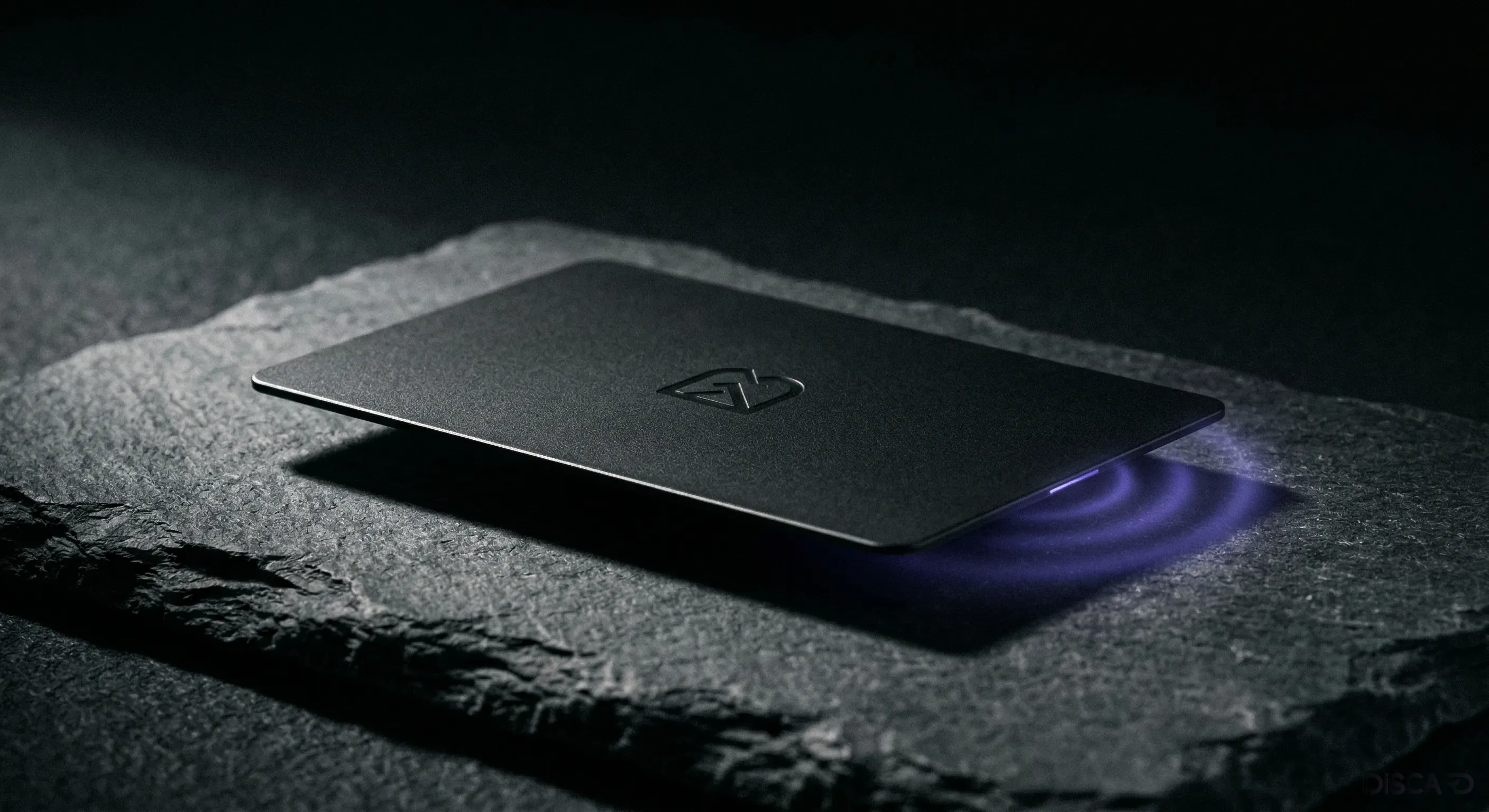
An NFC card has a small chip that sends a web link to any phone held against it. The phone opens that link in its browser. Near-field communication has been built into every iPhone since 2016 and every flagship Android since around then, so the visitor installs nothing for it to work.
What opens is your digital profile: a hosted page with your headshot, current listings, a row of reviews, and a one-tap button to save your details. For an agent that page is closer to a mobile listing sheet than a contact card. It is your pitch, in their hand, with nothing in the way.
Two things follow. The buyer sees your live listings in the same motion that introduces you. And your contact saves into their phone in two taps instead of joining a pile they will sort through, maybe, on Sunday night.
Why metal matters when you are the product
In residential real estate the agent is the product. The home sells itself on the photos; the buyer chooses a person to handle the largest transaction of their life. A soft, bent paper card undercuts that choice every time it changes hands.
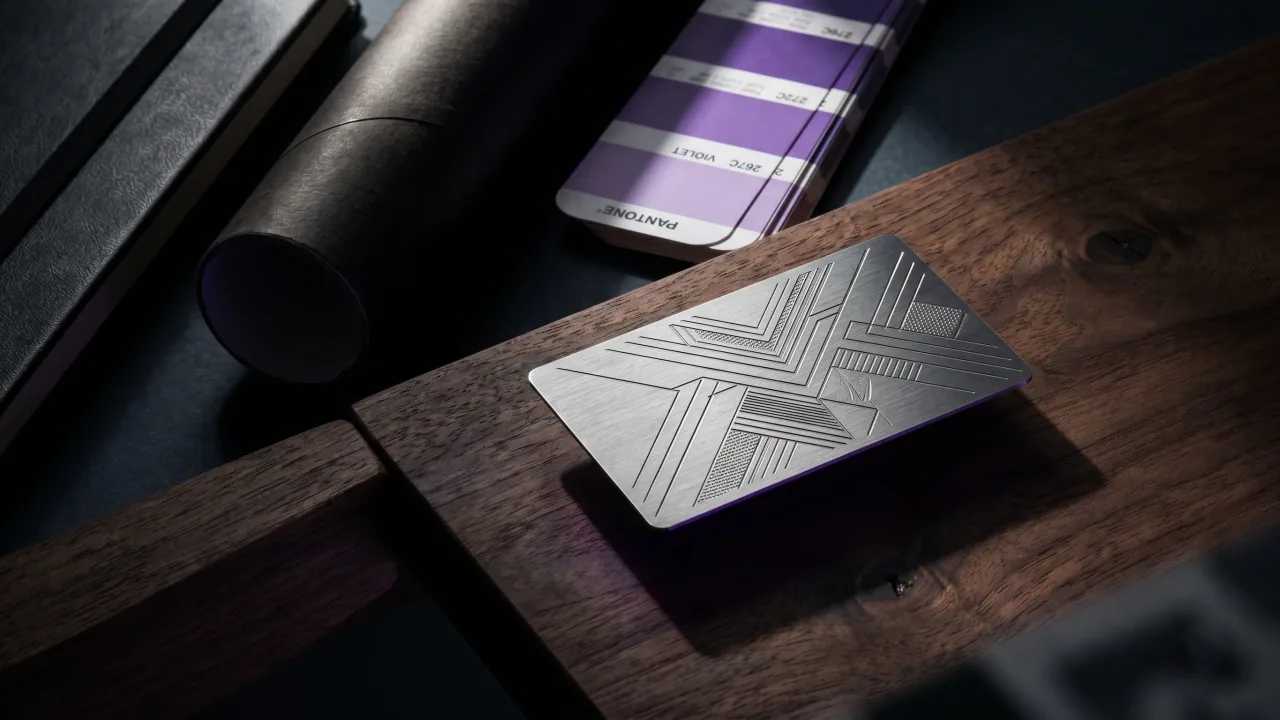
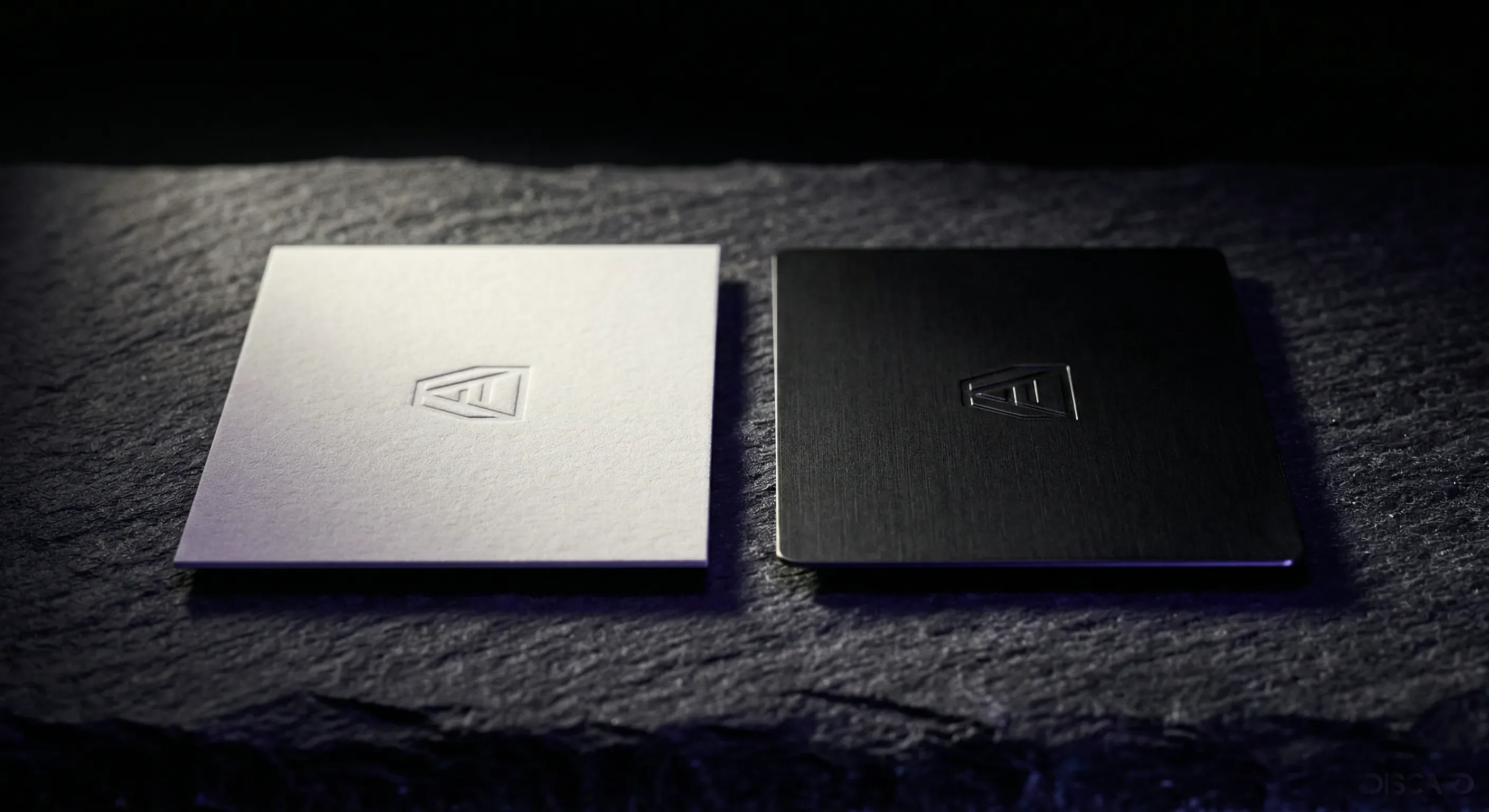
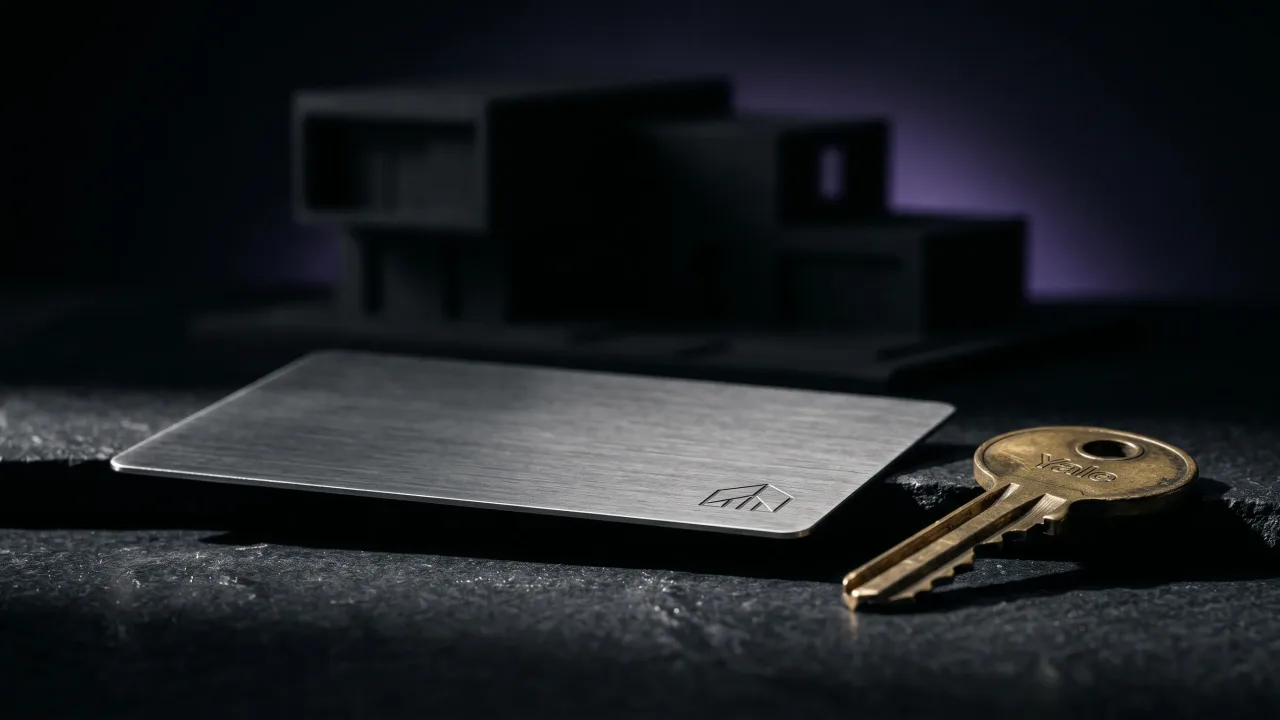
An engraved metal card reads differently across a kitchen island. Stainless steel has weight. The engraving is cut into the surface, so the design will not fade or rub off after a year in a bag with keys and a tape measure. Printing wears down; etching does not.
There is a plainer reason too. You just walked a family through a €600,000 house and described how you will market it. Handing over the same flimsy card the discount printer sells to everyone undoes part of what you just said. The object should match the price of the thing you sell.
The open-house-to-lead replacement, step by step
Here is the moment slowed down. A couple lingers in the kitchen. They like the light. One of them asks if you have a card.
You hand them a brushed-steel rectangle. They tap it on a phone out of curiosity. Your profile opens: headshot, three active listings in the same school district, a column of five-star reviews with real names. They scroll for thirty seconds, save your number, then tap the calendar link to book a second viewing for Saturday. They have not left the driveway and the appointment is already in your dashboard.
Now the paper version. The card goes into a tote bag with a flyer. The bag goes in the boot of the car. It stays there for a month. You are not in their phone, not in their inbox, and not on their shortlist unless you cold-call a name you can barely read off a sign-in sheet.
What to put on the digital profile (not your life story)
The profile is not your biography. It answers one question: is this the agent who can sell my home or find my next one. Build it around that.
Hero image. A clean headshot or your best-staged listing photo. Phones crop hard, so a strong central composition beats a clever wide shot every time.
Active listings. Three to six, with photos and prices. Lead with the kind of property the visitor was standing in when they tapped, not your priciest mandate.
Social proof. A row of recent reviews or a clear rating, near the top. Real estate runs on trust, and trust shown beats trust claimed. The National Association of Realtors reports that most buyers and sellers find their agent through a referral or a past relationship, so put the proof where the thumb lands first.
Direct contact and a booking link. Agents lean on contact forms and skip the calendar. Make booking a viewing as easy as saving your number.
What to skip. The long bio, the mission statement, every certification you have ever earned. Your brokerage and licence number get one line each. The profile opened because someone liked a house, so respect how little time you have.
Where the card actually lives in an agent's week
The open house is the dramatic case. It is not the only one.
Listing presentations. You are usually one of three agents pitching for the mandate. The card you leave on the seller's kitchen table is the last thing they touch before they pick someone. Weight and finish do quiet work in that gap.
Closings and handovers. The closing table is crowded: lawyers, a mortgage broker, the other side's agent, sometimes a relocation contact. Future referrals are sitting around that table. A tap puts you in their phone before the keys change hands.
Referral and networking events. Most agent business comes back through referral, which means the room of other agents and local businesses is where next year's pipeline starts. A metal card whose profile opens straight to your reviews is the right tool for that room.
Card and profile choices for solo agents vs. brokerages
Solo agent. One card, one profile, updated whenever your listings change. Because the profile edits from your dashboard, switching brokerage or changing your phone number never means a reprint.
Small team. The lead agent's card carries the team name; assistant cards use the same layout and route to their own profiles, so a buyer's-agent card opens to the homes they actually run.
Brokerage. Use the Discard team-order workflow to provision cards and profiles for the whole office in one batch. The brand layout stays identical; listings and licence numbers stay per agent. New hires get a card on day one instead of waiting for the next print order.
The cost math: paper reprints vs. one engraved card
Agents reprint cards more often than almost anyone. A brokerage move, a new headshot, a new phone number, a licence renewal, a team rebrand. Two to four reprints a year is an ordinary cadence.
Decent paper at a printer runs roughly €50 to €90 for a run of 250 cards. Over five years that is €500 to €1,500, and not one cent of it improves the card the buyer receives. It is the same card every cycle.
An engraved metal Discard card with a lifetime-editable profile starts at €40. The card is permanent. The profile changes from your dashboard whenever a listing closes, your number changes, or you move firms. For a working agent the cost crosses over inside the first year.
There is a bigger number behind the small one. One extra deal closed from a buyer you would otherwise have lost to a coffee-ringed sign-in sheet covers the whole office's card budget for a decade. The maths stops being about printing and starts being about commission.
The verdict
An NFC business card for real estate is the cheapest fix for the most expensive leak in the job: warm buyers you met in person who never make it into your phone. The card is engraved metal, the profile opens on a tap with no app, and the price is a one-time €40 and up for the card plus a flat €19.90 a year for the profile. For an agent whose pipeline depends on people remembering them after one open house, it pays for itself on the first saved lead. The rest is taste.
Design your engraved metal card and preview the live profile before you order.
Design Your CardFrequently asked questions
Does an NFC business card work without an app on the visitor's phone?
Yes. Every iPhone since the iPhone 7 (2016) reads NFC tags natively and opens the profile in Safari on its own. Android phones on Android 10 or newer do the same. Neither person needs to install anything.
Can buyers see my live MLS listings on the profile?
The profile links out to your listing or IDX pages rather than embedding a raw MLS feed, which keeps it fast on mobile. The usual setup is a profile that links to your active-listing pages or brokerage portfolio, so a buyer can go deeper after the open house.
What happens to the card if I change brokerages?
The card stays exactly the same. The profile edits from your Discard dashboard, so a brokerage move, a new phone number, or a new licence cycle is a five-minute change rather than a reprint. The chip keeps pointing at the live profile.
Is a metal card practical to carry through a full day of showings?
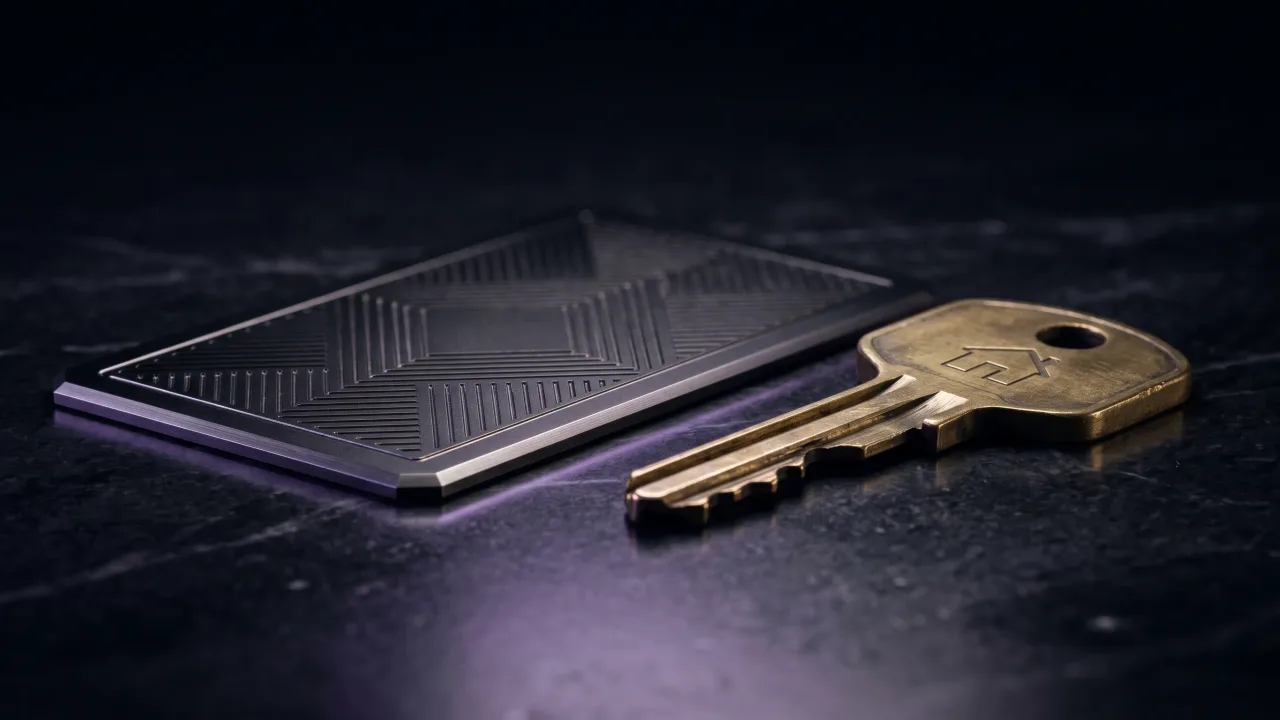
Discard's stainless-steel cards are 0.5mm thick, about two credit cards. They sit in a wallet, money clip, or badge holder without bowing, and they do not trip building security gates. Most agents carry two or three on open-house days.
Can a brokerage order matching cards for every agent?
Yes. The team-order workflow provisions cards and profiles for the whole office in one transaction, with a shared layout and a separate profile per agent. Listings, contact details, and licence numbers vary per profile while the card design stays consistent across the brand.
How long does delivery take in the EU?
Standard EU shipping from Bulgaria takes three to five working days after the design is approved. There are no customs forms or import duties for buyers inside the EU, and no surprise courier fees on delivery.