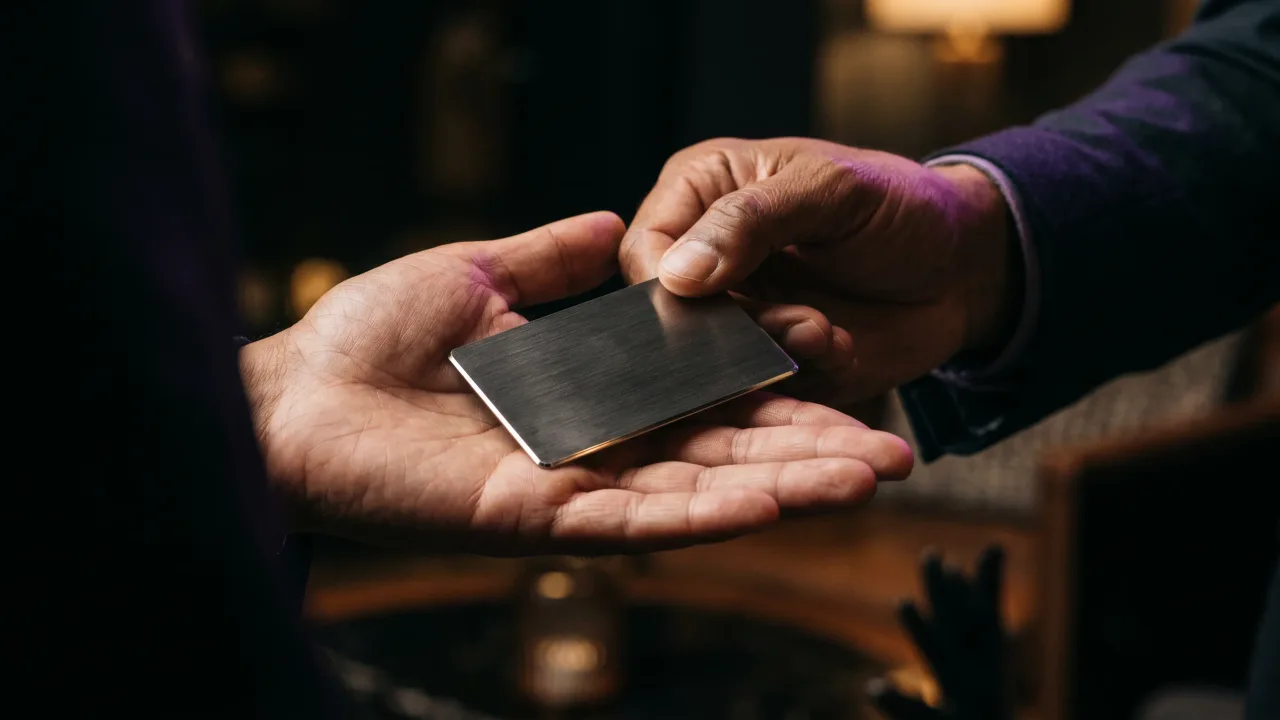
You meet someone important. There's a pause, an expectation, and you reach into your pocket. What comes out next says more about you than the conversation that led there. Paper cards and metal NFC business cards are at completely different ends of the spectrum, and choosing between them is not just a practical decision. It's a statement.
This guide breaks down both options across the factors that actually matter: cost, durability, how they land in someone's hand, and what they say about you. There's a clear verdict at the end.
What are paper business cards?
Paper business cards are the original networking tool. Printed sheets, typically 85.6 x 54mm (the CR80 standard), handed out in person to share contact information. They've existed in roughly their current form since the 17th century and remain the default option for most professionals worldwide.
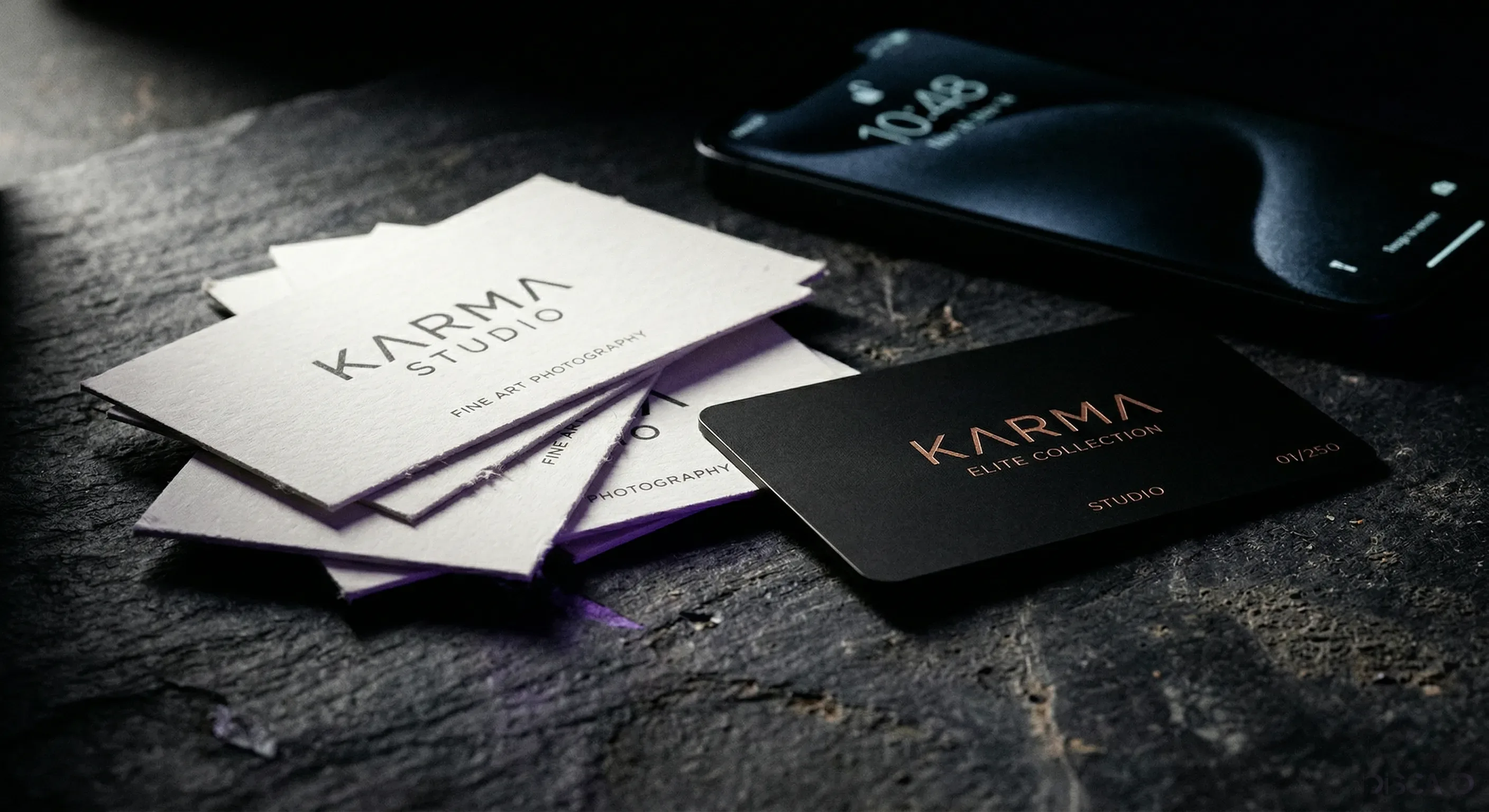
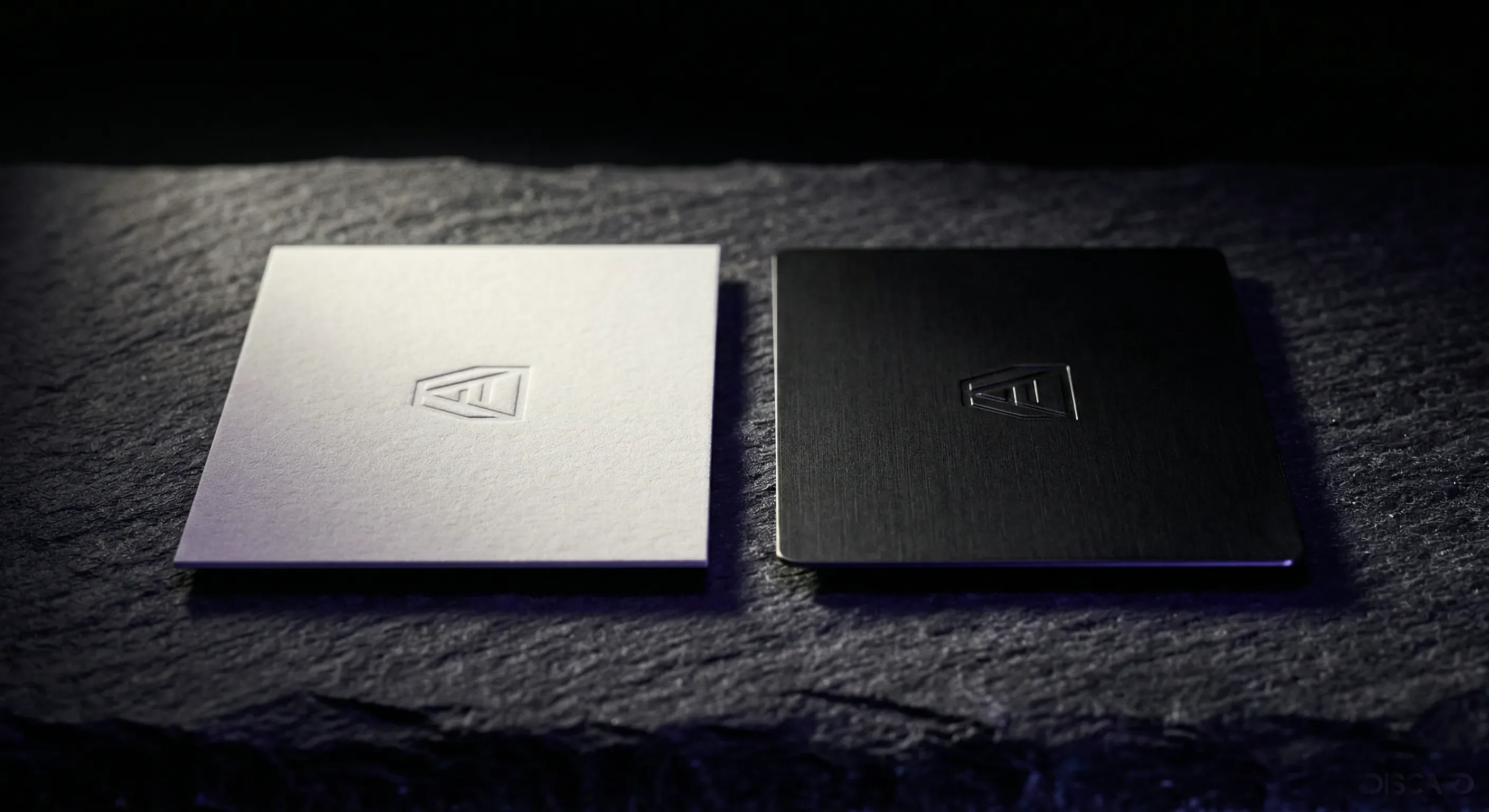
Modern paper cards range from flimsy 300gsm stock to thick matte boards with foil finishing, spot UV, or letterpress embossing. The best paper cards can look genuinely impressive. But they all share the same fundamental limitation: they're static. Once printed, the information on them cannot change.
What are metal NFC business cards?
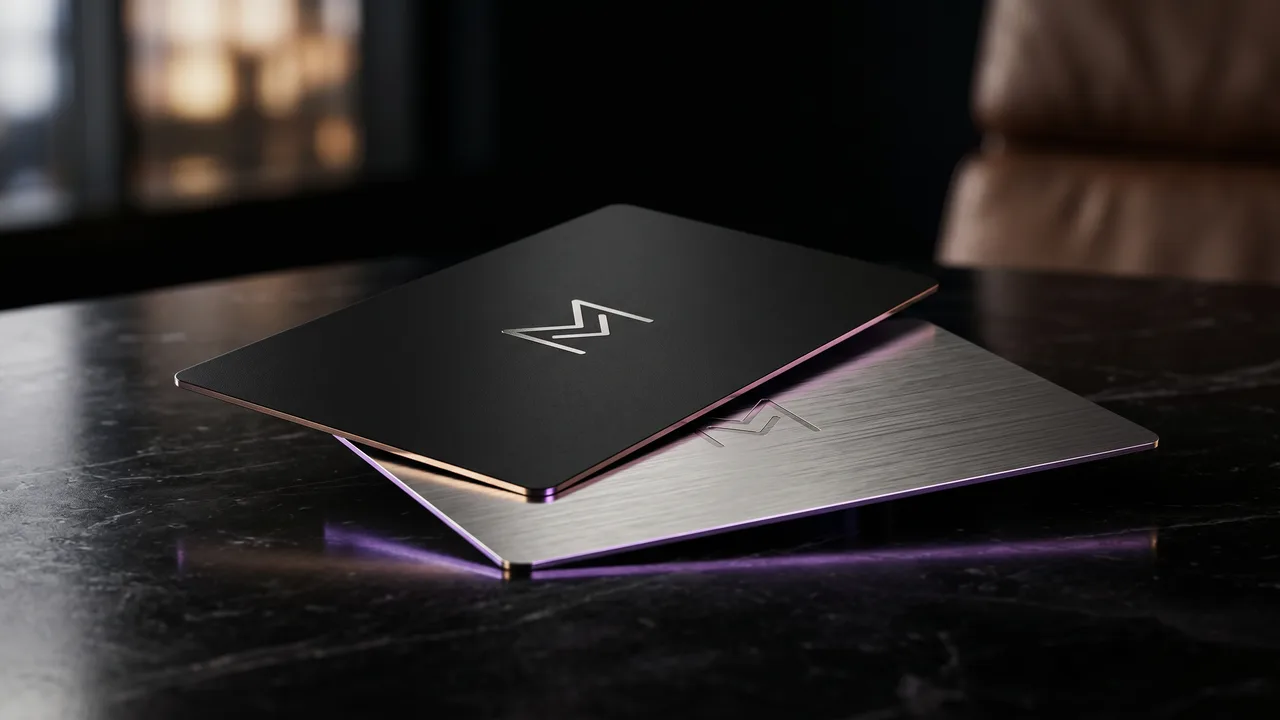
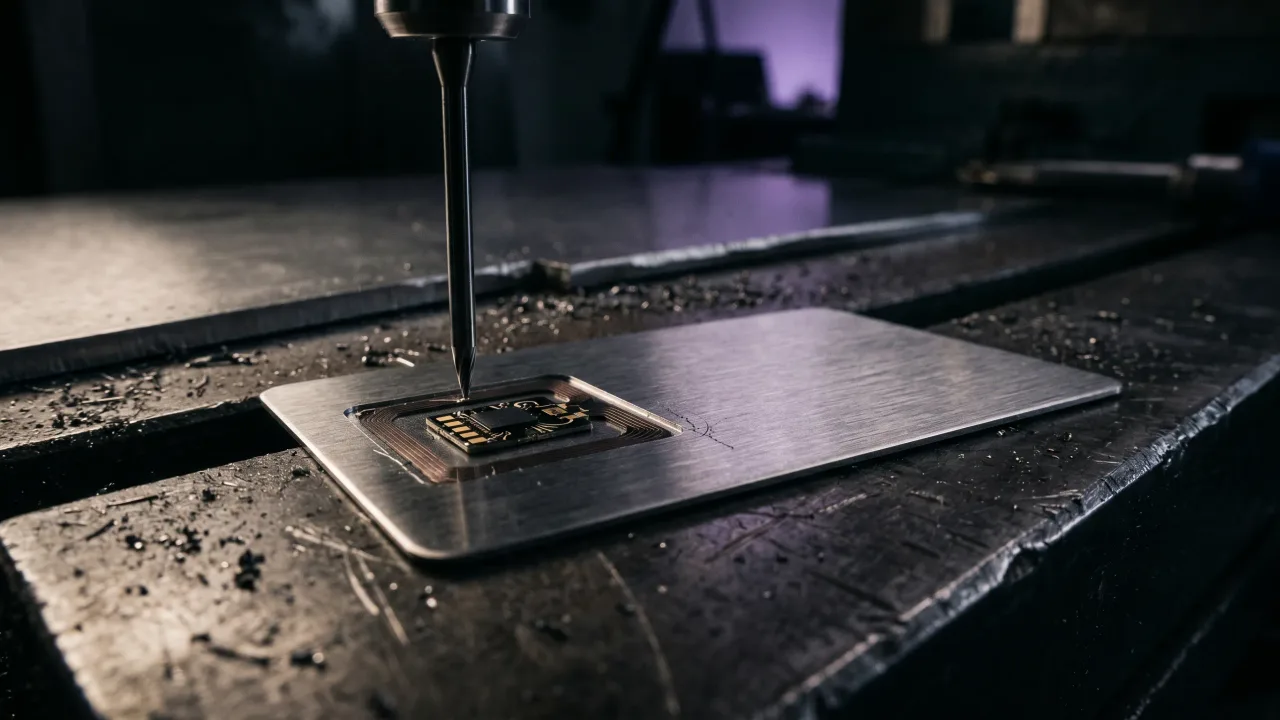
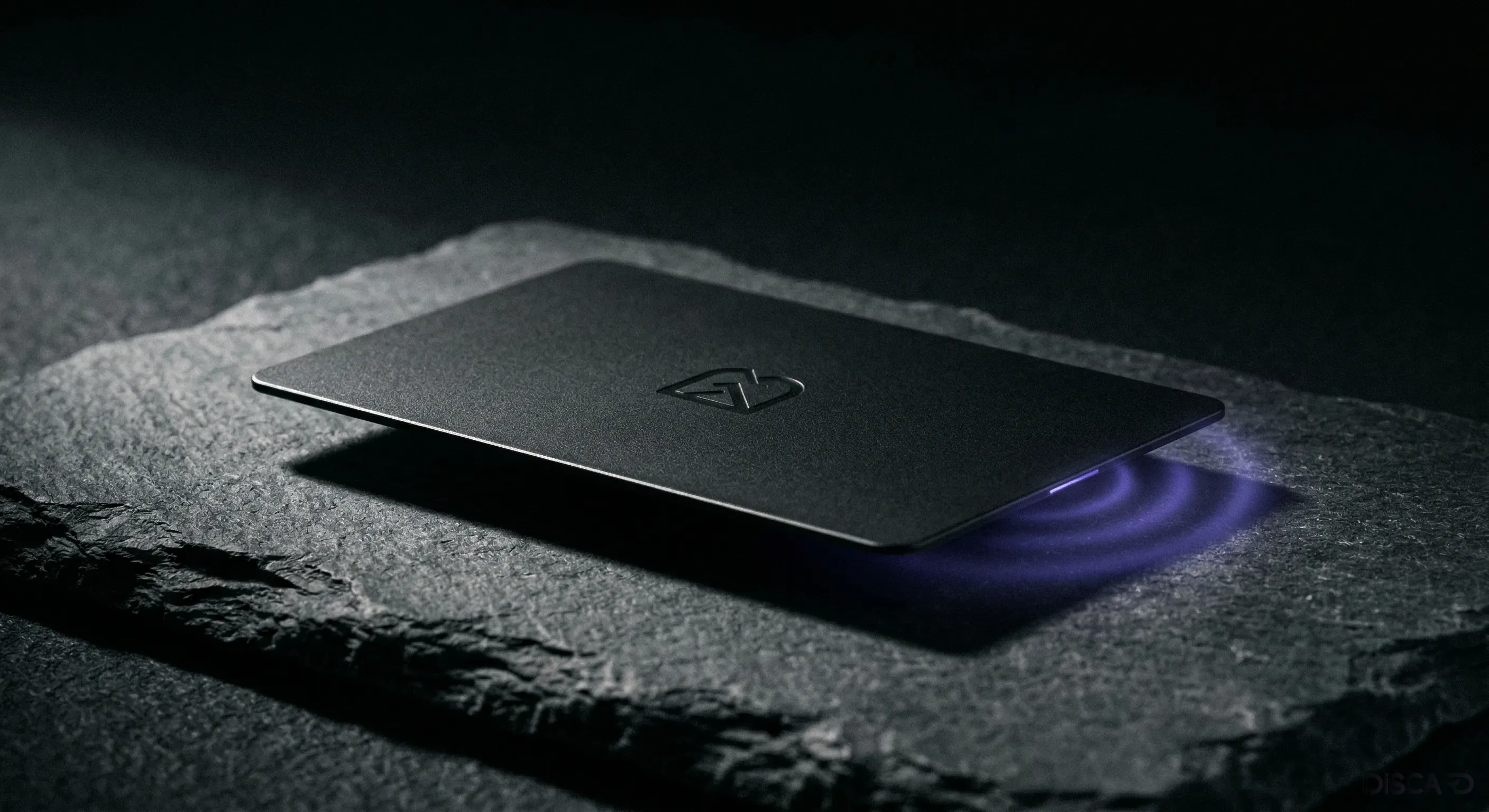
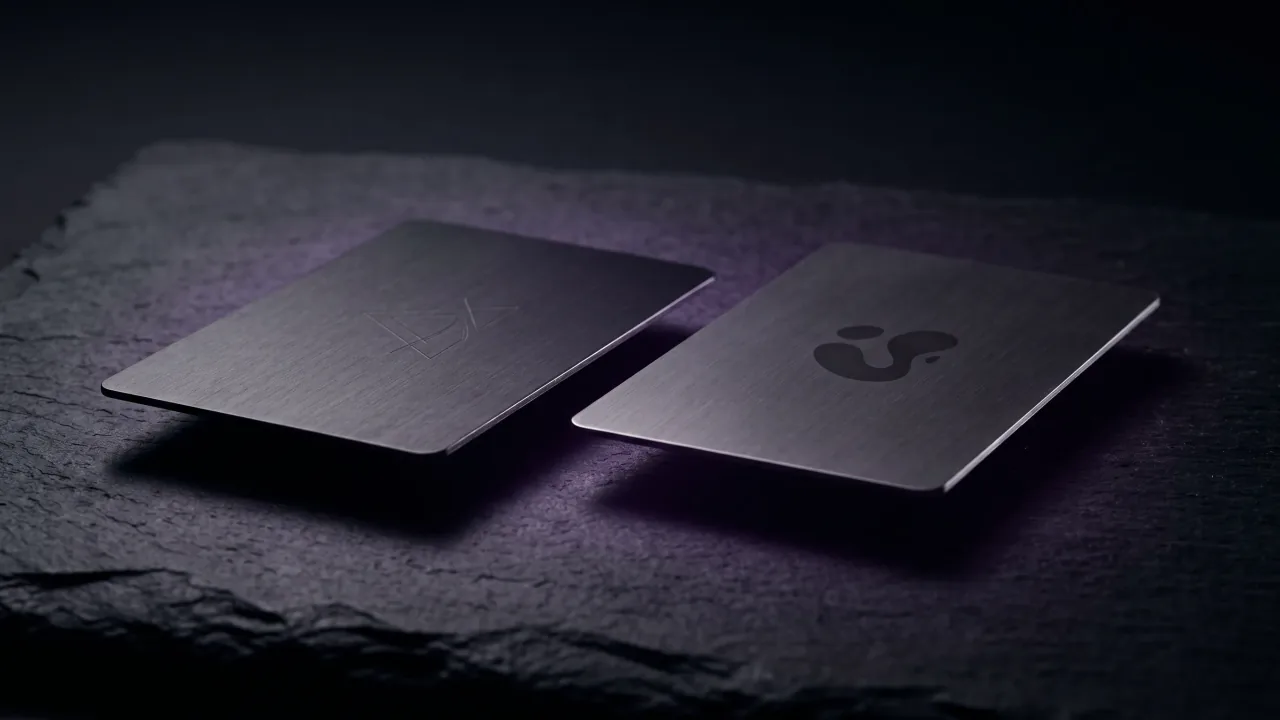
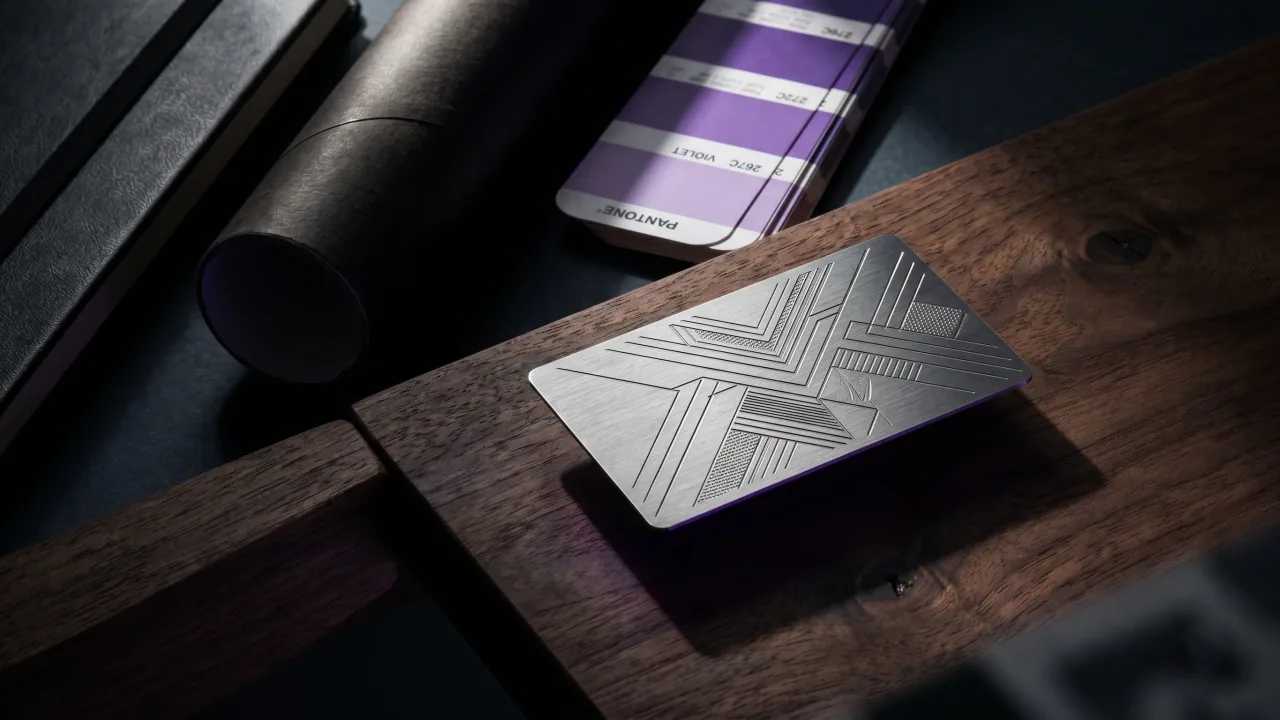
Metal NFC business cards are cards made from stainless steel, tungsten, or wood composites. They contain a Near Field Communication (NFC) chip — the same technology behind contactless payments — activated with a tap from any modern smartphone. No app required.
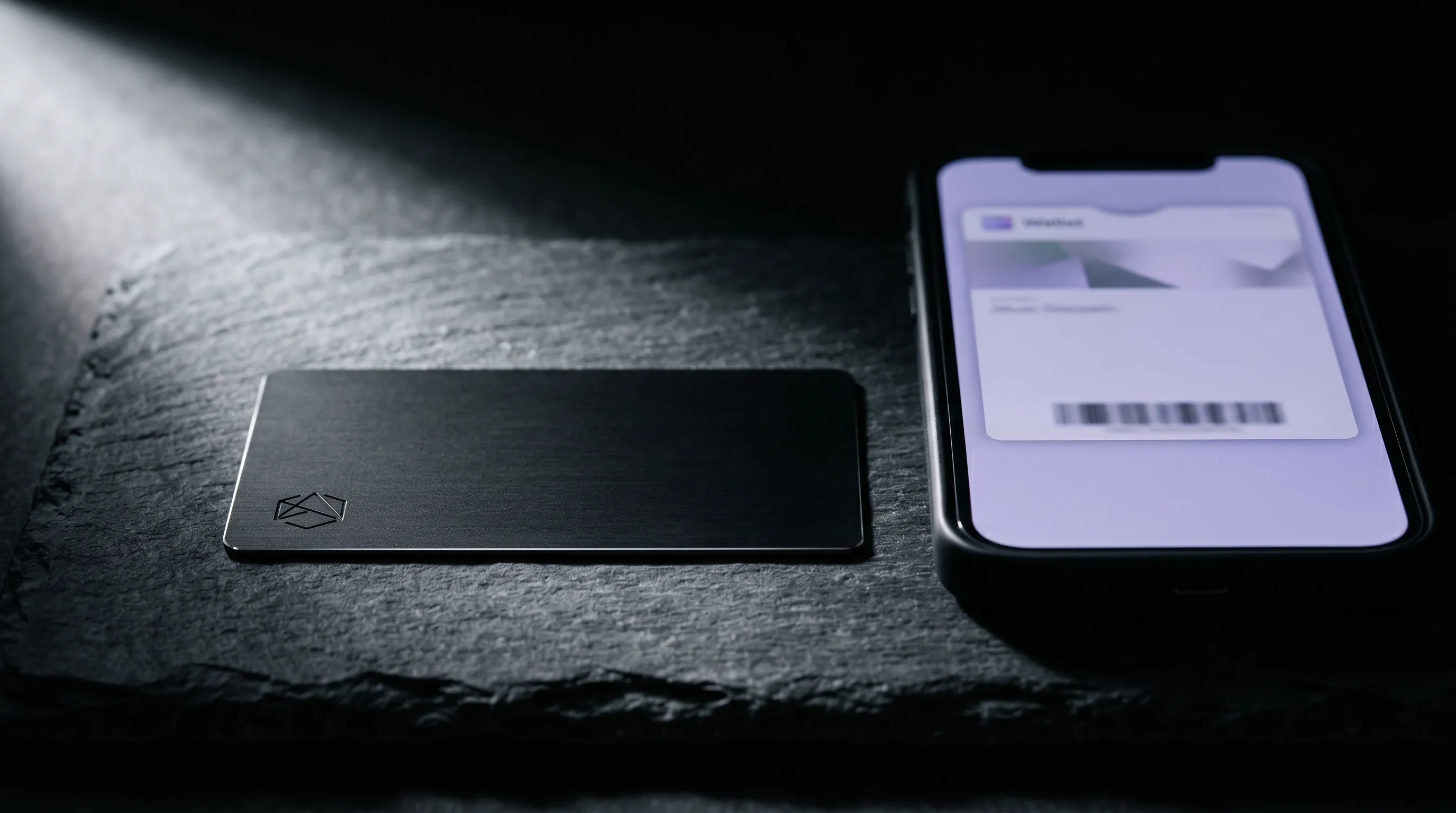
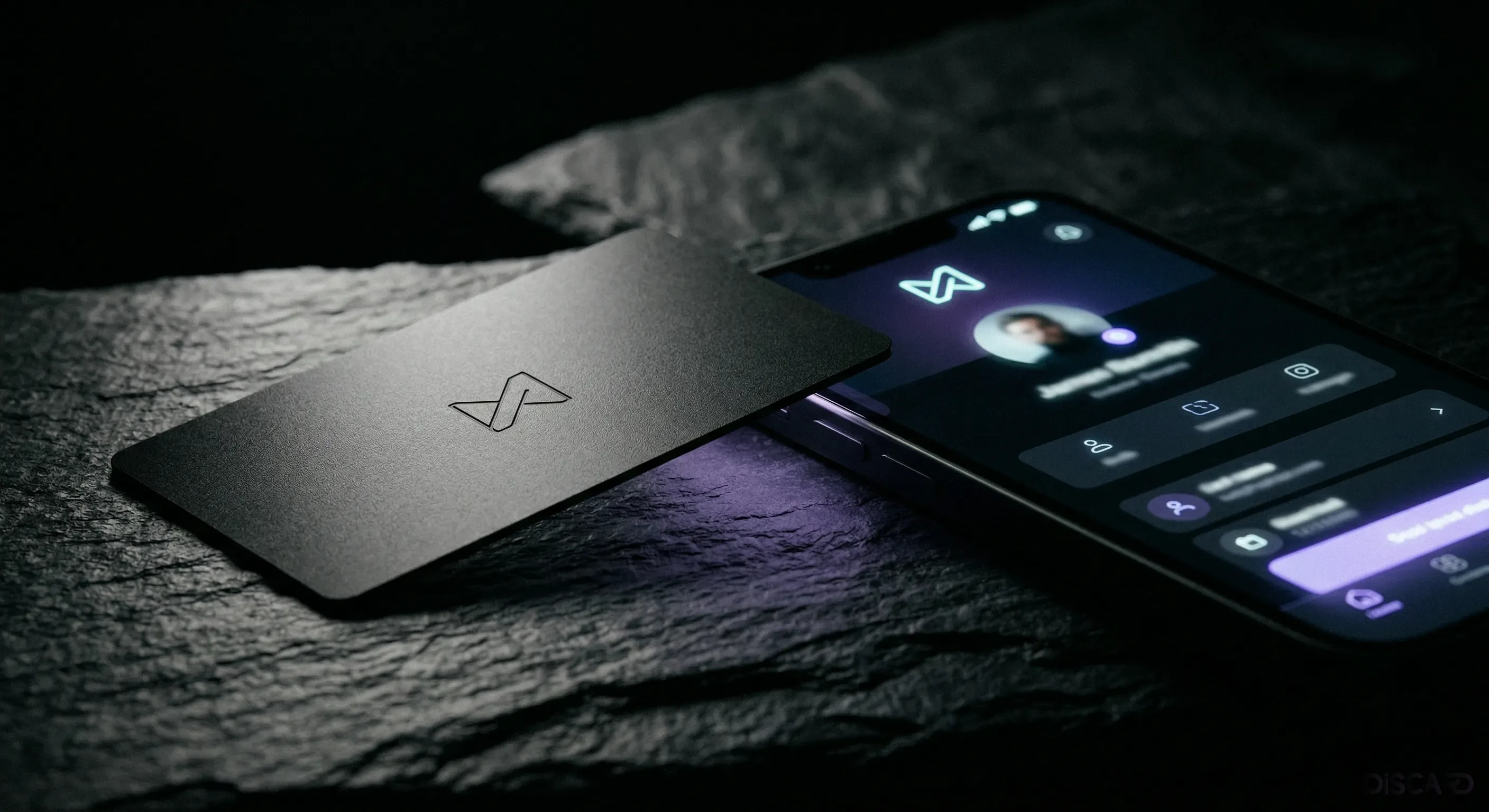
When someone taps a metal NFC card, their phone opens a digital profile in the browser: your photo, contact details, social links, portfolio, or anything else you want to share. That profile is live and editable at any time. Change your job title, phone number, or LinkedIn URL without printing a single new card.
Key differences at a glance
| Factor | Paper Cards | Metal NFC Cards |
|---|---|---|
| Cost per card | €0.05 – €2 | €35 – €80 |
| Lifespan | 1–6 months | Lifetime |
| Information update | Reprint required | Instant, free |
| First impression | Standard | Exceptional |
| Data sharing | Manual entry | One tap |
| Eco impact | High (constant reprints) | Low (made once) |
| NFC compatibility | None | All modern smartphones |
| Analytics | None | Profile view tracking |
| Customisation | Print-only | Design + live digital profile |
Paper business cards — pros and cons
Pros
- Very low upfront cost — ideal for high-volume events
- Universally understood — no technology barrier
- Widely available from hundreds of printers
- Can be handed to anyone regardless of smartphone model
- No concern about NFC compatibility in certain regions
Cons
- Information becomes outdated the moment anything changes
- Lost, thrown away, or forgotten within days in most cases
- No way to track who engaged with your card
- Constant reprint costs add up significantly over time
- Environmental impact from ongoing production and disposal
- Physically fragile — bent, water-damaged, ink faded
Metal NFC business cards — pros and cons
Pros
- Unforgettable first impression — people stop and ask about it
- Digital profile is always up to date, zero reprints ever
- One tap shares everything — no manual contact entry
- Lifetime card: your investment pays back within months
- Dramatically lower long-term cost vs. repeated paper orders
- Premium materials signal seriousness and attention to detail
Cons
- Higher upfront cost than a single paper order
- NFC requires a smartphone (though QR fallback is available)
- Heavier than paper — not ideal for leaving large quantities on tables
- Customisation changes require editing the digital profile, not the card
The real cost comparison
The price comparison looks lopsided at first glance. A metal NFC card costs around €35–€80, while 500 paper cards might cost €30–€60. But the true cost of paper cards is calculated over time, not per order.
The average professional reprints their business cards 2–4 times per year — job title changes, new phone numbers, rebrands, address updates. Over three years, that's 6–12 separate print orders. At €40 per order, you've spent €240–€480 on paper cards. A single metal NFC card, purchased once, covers the same three years for €45.
The break-even point for most professionals is somewhere between 3 and 6 months of use.
First impression: the moment that matters
There is no polite way to say this: most paper business cards are forgotten before the week is out. They go into a pocket, get transferred to a desk drawer, and eventually end up in the bin. The information they carry rarely survives the journey into a phone contact.
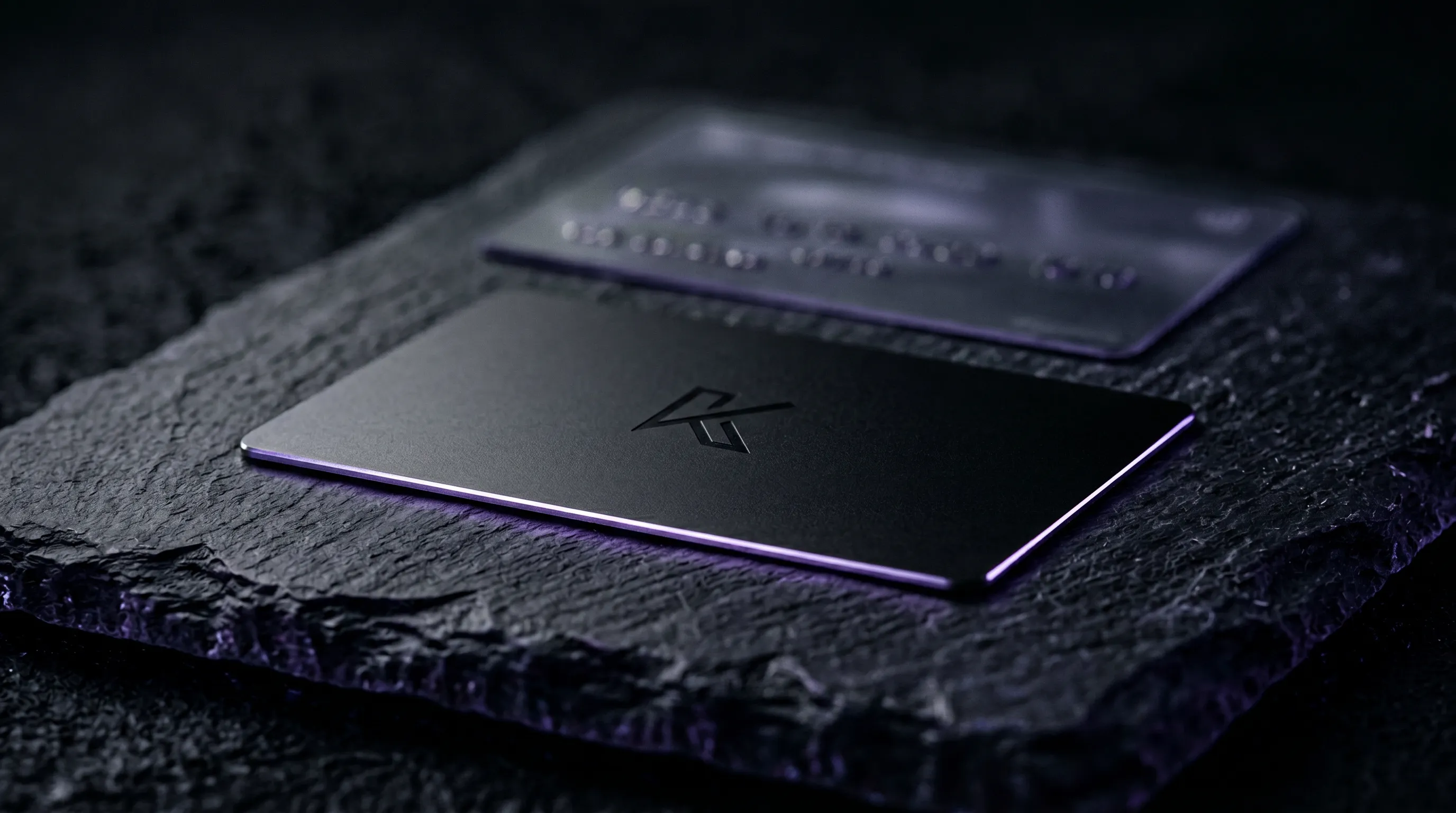
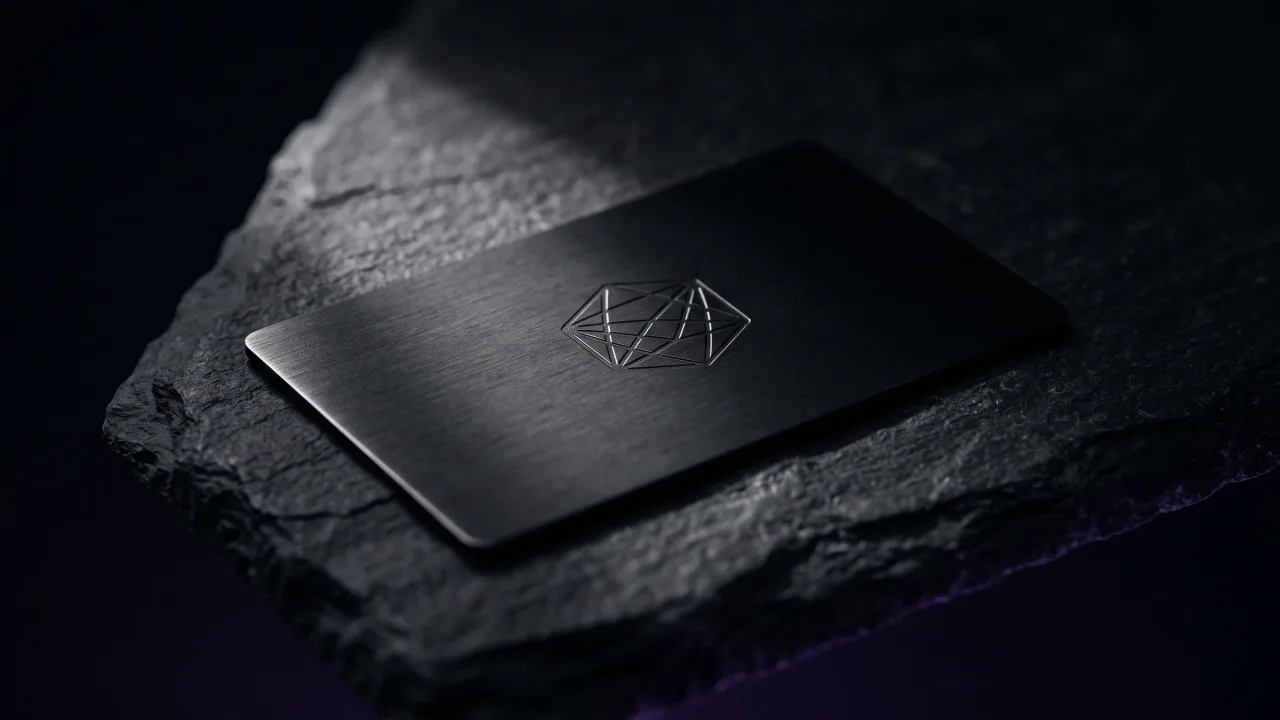
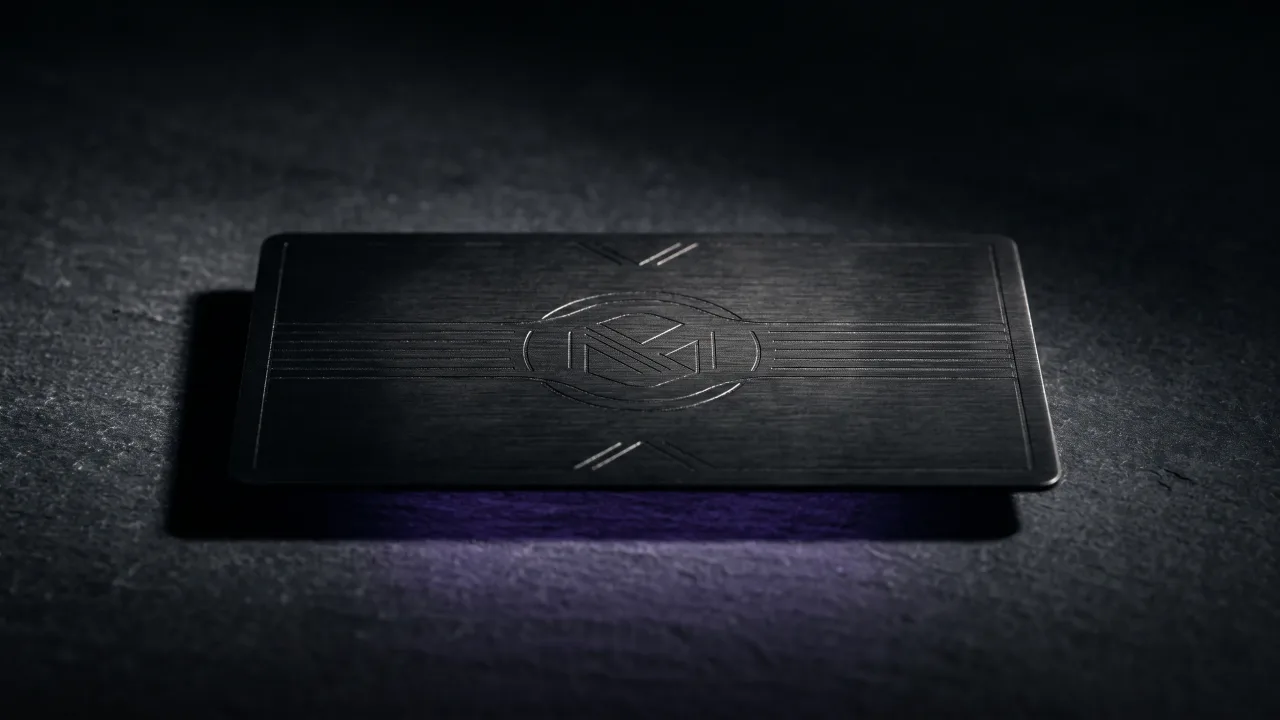
A metal NFC card changes that dynamic. When someone holds a solid piece of matte black steel engraved with your name, then taps it with their phone and watches your digital profile open instantly, it becomes a conversation piece on its own. It communicates that you take your professional identity seriously.
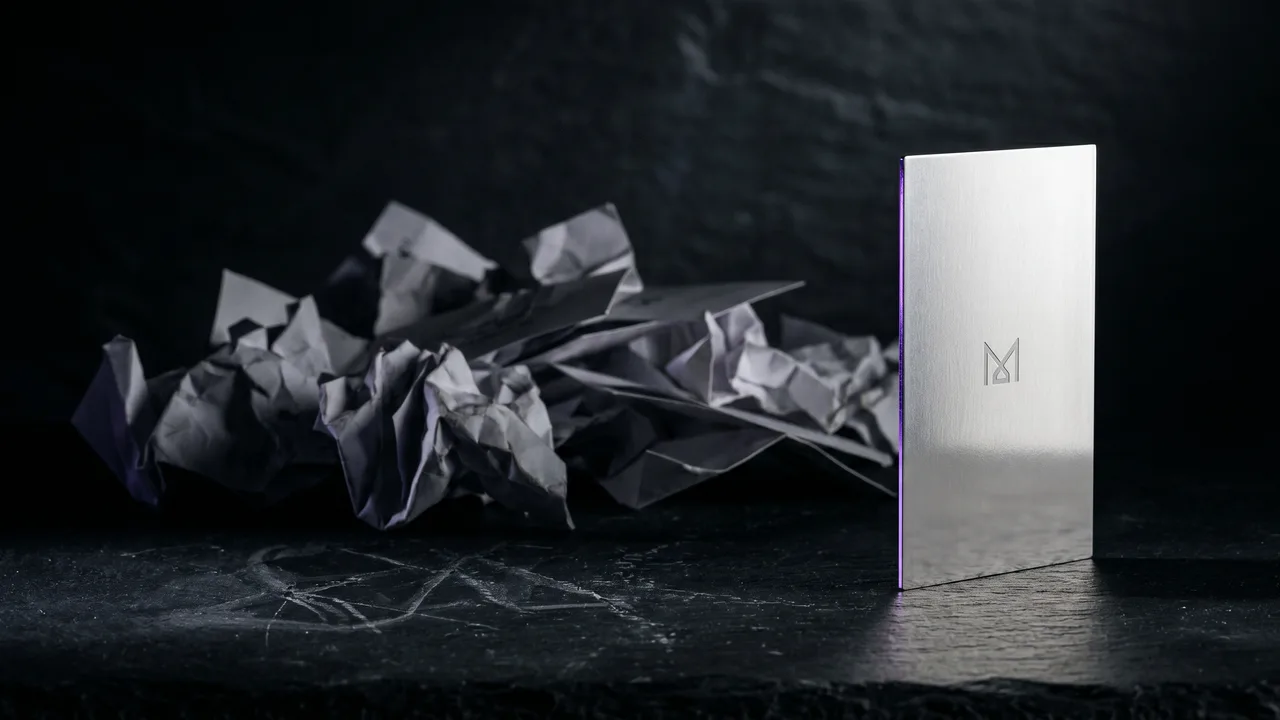
In high-stakes networking — investor meetings, executive events, creative industry conferences — the material you hand over is read as a proxy for the quality of your work. Paper says you're functional. Metal says you're exceptional.
Which should you choose?
Paper cards make sense if you're at the beginning of your career, attending mass-market events where volume matters more than impression, or operating in industries where physical card-leaving is a cultural norm (certain retail or trade contexts).
Metal NFC cards are the right call for founders, executives, creative professionals, consultants — anyone for whom a single introduction has real economic value. If your work requires that the person you meet remembers you and can instantly access your full professional profile, the case for a metal NFC card is straightforward.
The verdict
Paper business cards are adequate. Metal NFC business cards are memorable. If you're networking at a level where one conversation can change your trajectory, adequate is the wrong standard. The upfront cost of a metal NFC card is the last business card investment you'll ever make.
Design your metal NFC card — choose your material, layout, and engraving.
Design YoursFrequently Asked Questions
Do metal NFC business cards work with all smartphones?
Yes. NFC is built into all iPhones since iPhone 7 (2016) and virtually all Android phones released since 2014. No app is required. The recipient simply holds their phone near the card and the profile opens automatically in their browser.
What happens if I change jobs — do I need a new card?
No. With a metal NFC card, the physical card stays the same. You log into your digital profile and update your job title, company, email, or links — the change is instant and reflected next time anyone taps your card.
Can I still share my card with someone who doesn't have a smartphone?
Yes. Metal NFC cards from Discard also include a scannable QR code on the reverse as a fallback, which opens the same digital profile on any camera-equipped device.
Are metal NFC cards heavier than paper?
Yes. A stainless steel card weighs around 25–30g compared to 2–5g for a thick paper card. It's noticeable in your wallet but designed to be carried that way. Most users find the weight reinforces the premium feel.