You searched for Linq's NFC card and ended up reading about iMessage APIs. That is not a redirect bug. The company that made one of the better-known NFC business cards has spent the last year turning into something else, and anyone looking for a Linq alternative now has to decide what to do about it.
Linq's homepage talks about RCS support, SOC 2 compliance, and conversational AI infrastructure for developers. The card store still exists. The roadmap, the marketing, and the engineering attention have moved on. If you wanted a premium NFC business card with active development behind it, you need a different supplier.
What linq used to be
At its peak, Linq sold a tap-to-share NFC card paired with a contact-management app. The cards started in PVC and topped out at a $59.99 metal option. The product worked the way it was supposed to: tap, profile opens, contact saves. People liked it because it removed the awkwardness of typing someone's email into a phone after a real conversation.
What made Linq notable was the idea behind it: a small physical object could replace a paper exchange without forcing anyone to download an app. That idea was right. Linq's interest in it just wandered.
What linq is now
Visit linqapp.com today and the homepage promotes Linq Blue: an enterprise messaging platform for building chatbots over iMessage, RCS, and SMS. The pitch is to developers who need 99.95% uptime and SOC 2 Type II. It is not aimed at professionals who want a card that arrives in a slim envelope and works on a tap.
The card store at buy.linqapp.com is still up. The app still launches profiles. The blog stopped publishing card-related content months ago, and the integrations and analytics features that gave the card its edge are being rebuilt to serve messaging instead of networking. For a card buyer, this means today's card is the one you are going to live with for the next several years. There will not be improvements, and there may not be much support.
What to look for in a linq alternative
Before swapping vendors, get specific about what made Linq's card worth considering. The replacement should actually do the same job.
A physical card with an NFC chip that loads a profile on tap. This is the core mechanic. Anyone with a current iPhone or Android can tap and see your information without installing anything.
A profile you can edit after the card is printed. Your card is permanent. Your contact details, links, and portfolio change over time. The good NFC platforms separate the two so a job change does not trigger a reprint.
Honest, predictable profile pricing. Some NFC vendors gate basic profile features behind expensive monthly tiers, or quietly raise prices once you're locked in. A better setup is a single, transparent annual fee that keeps the page live and editable — Discard charges €19.90/year for the profile, and the card itself is a one-time purchase that does not expire.
Material that holds up under inspection. If the card is going to clients, investors, or collaborators you have spent months chasing a meeting with, a card that bends, peels, or fades is the wrong tool. Engraved metal stays sharp for the lifetime of the card.
How discard compares to linq's old card
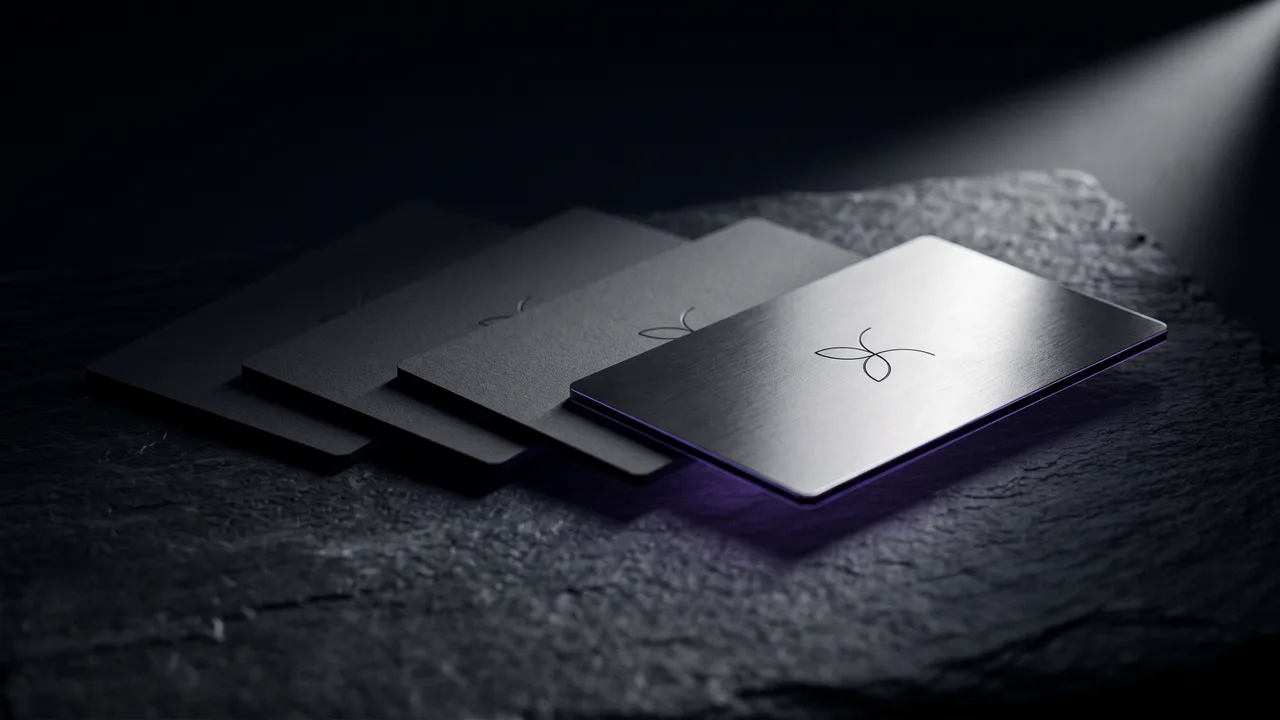
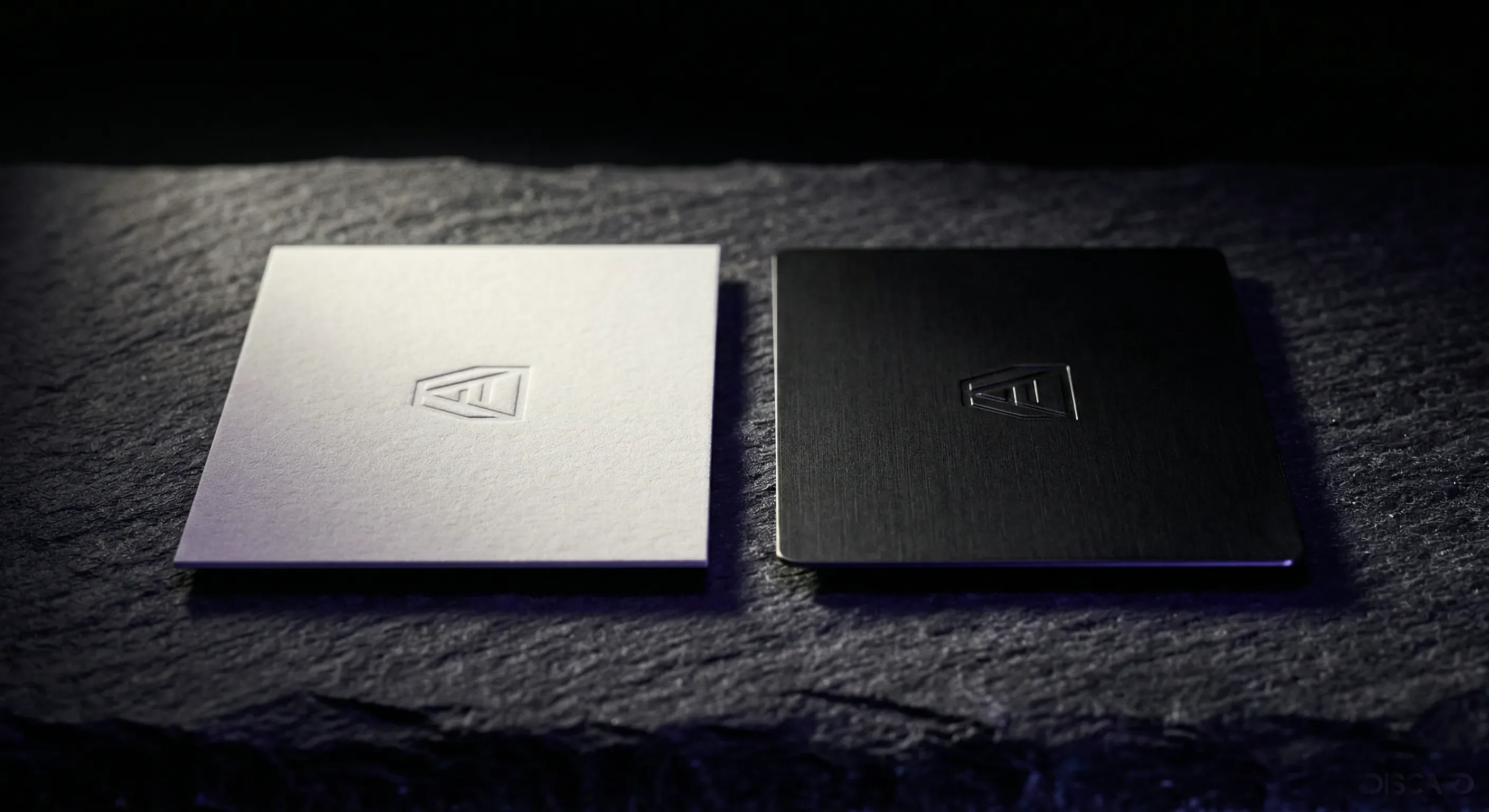
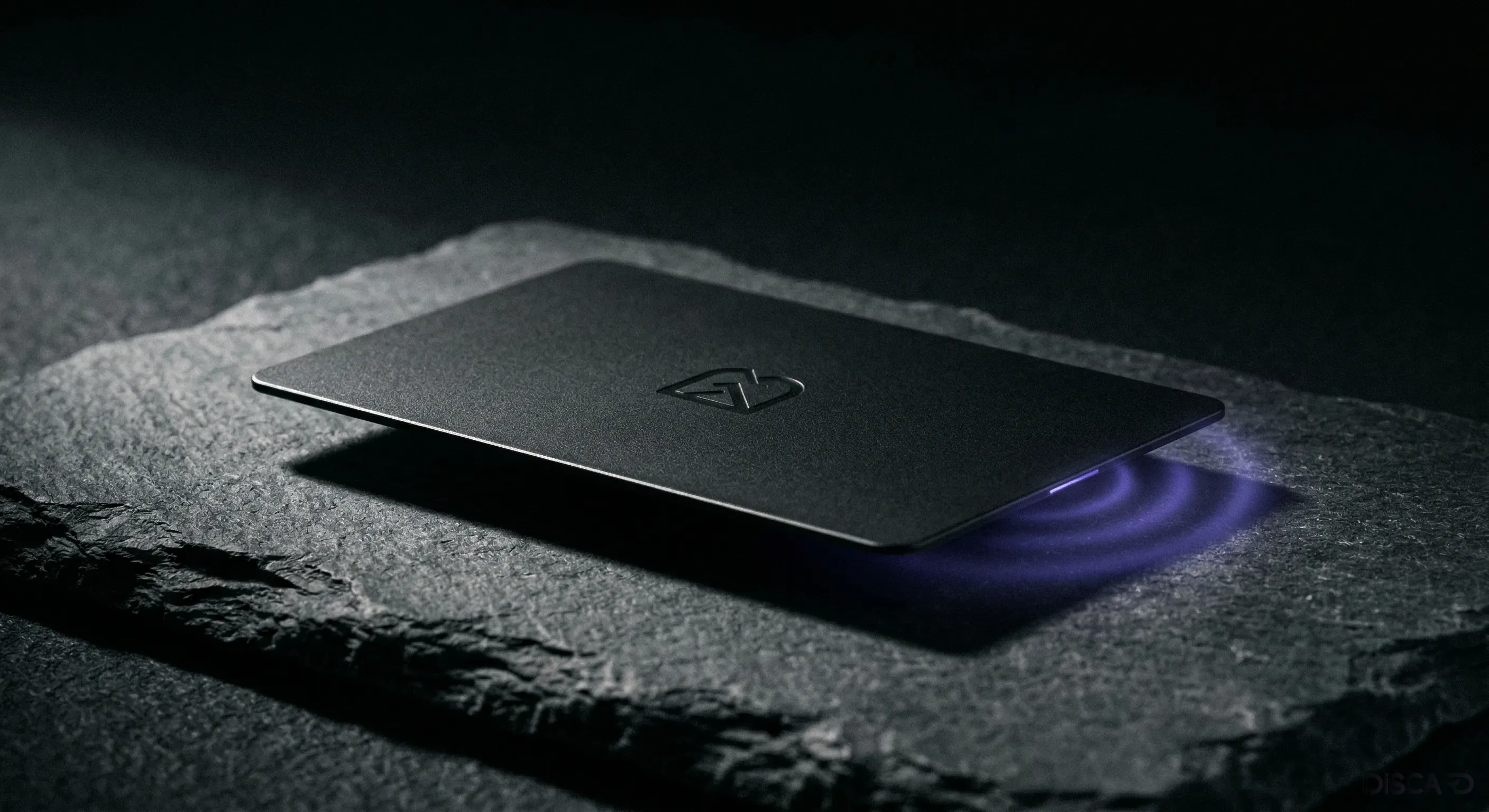
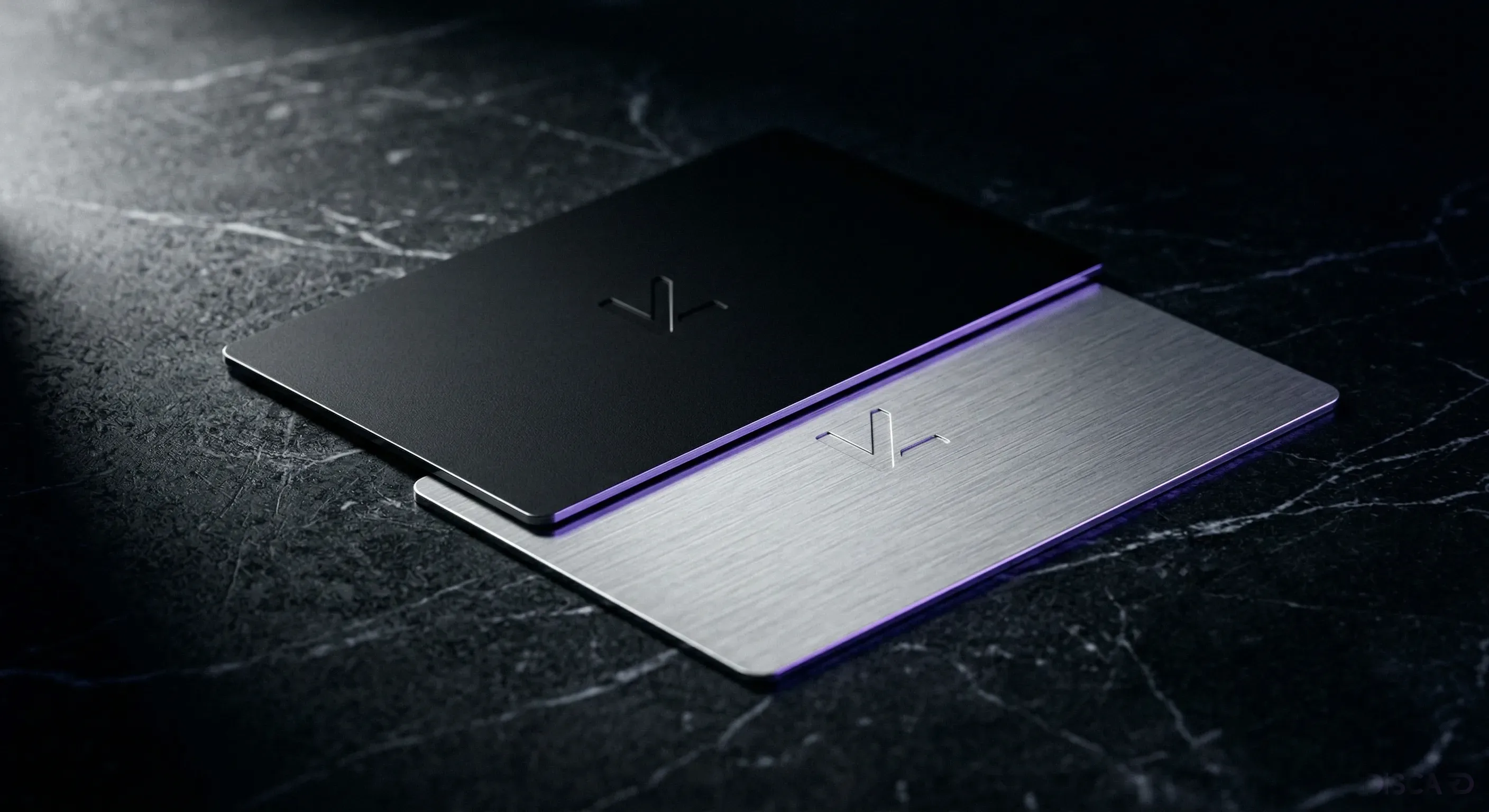
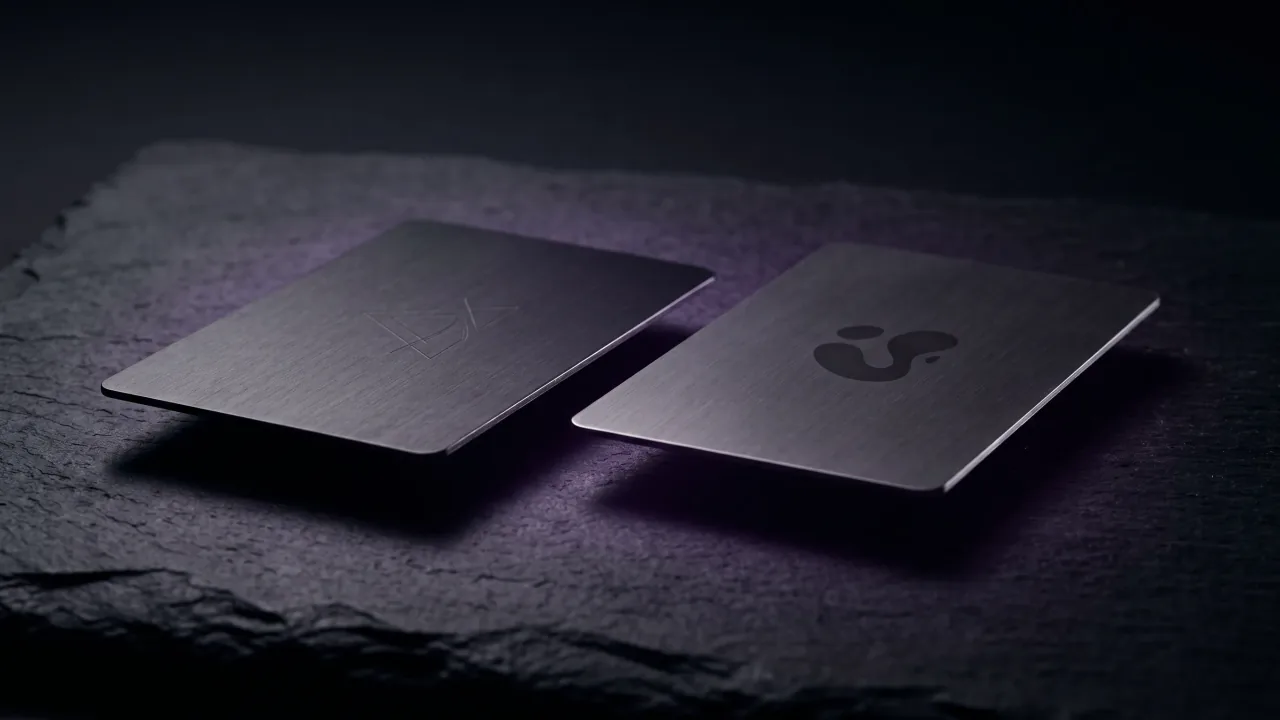
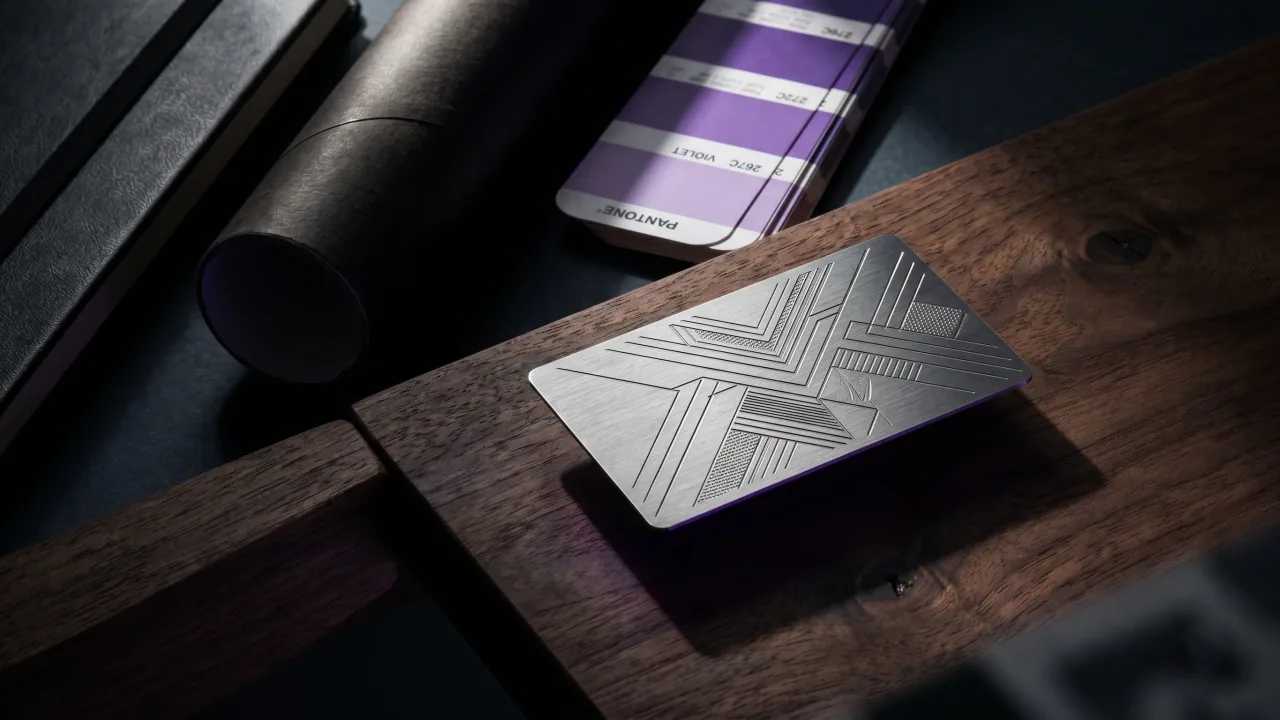
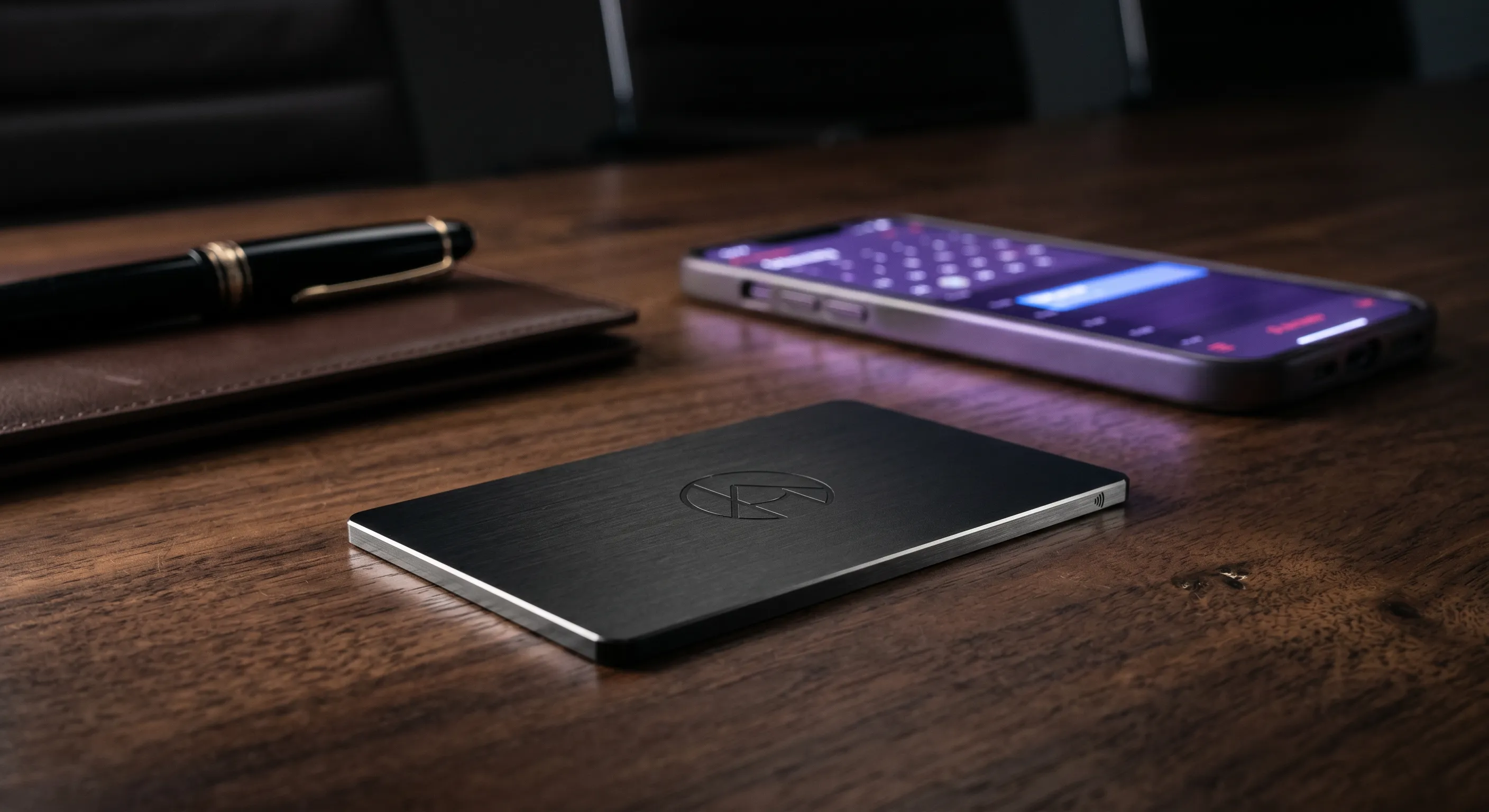
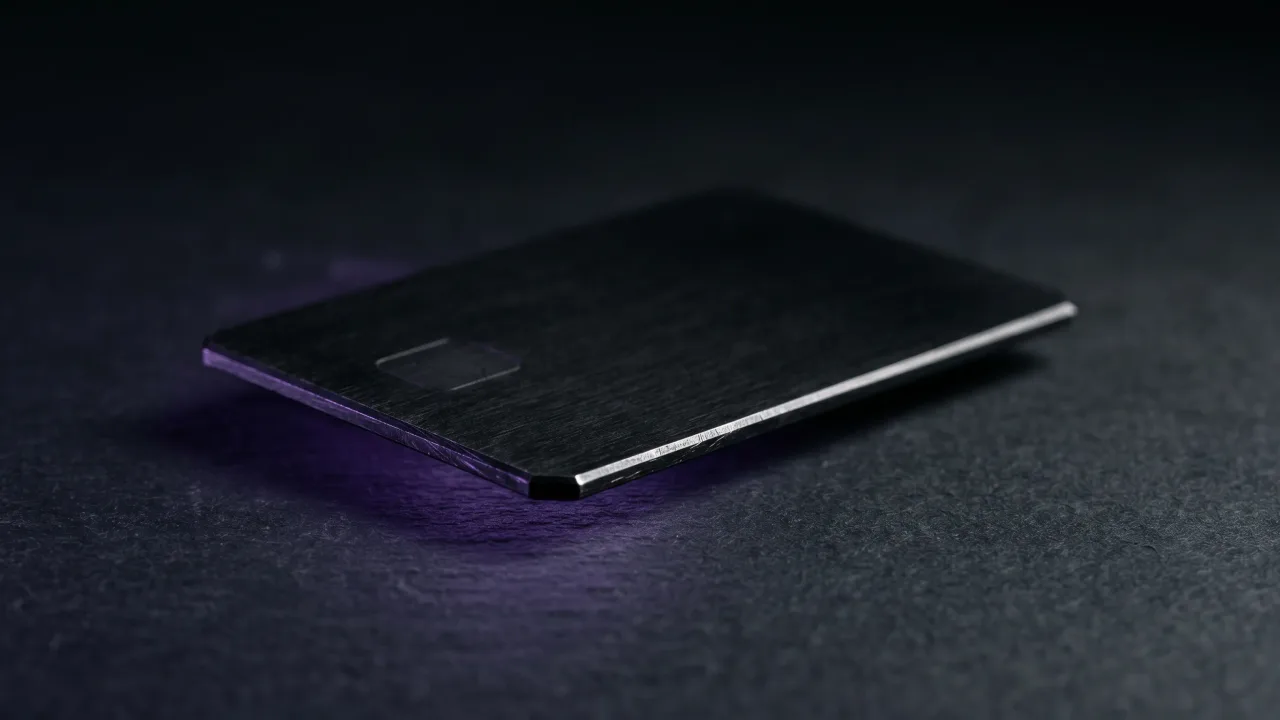
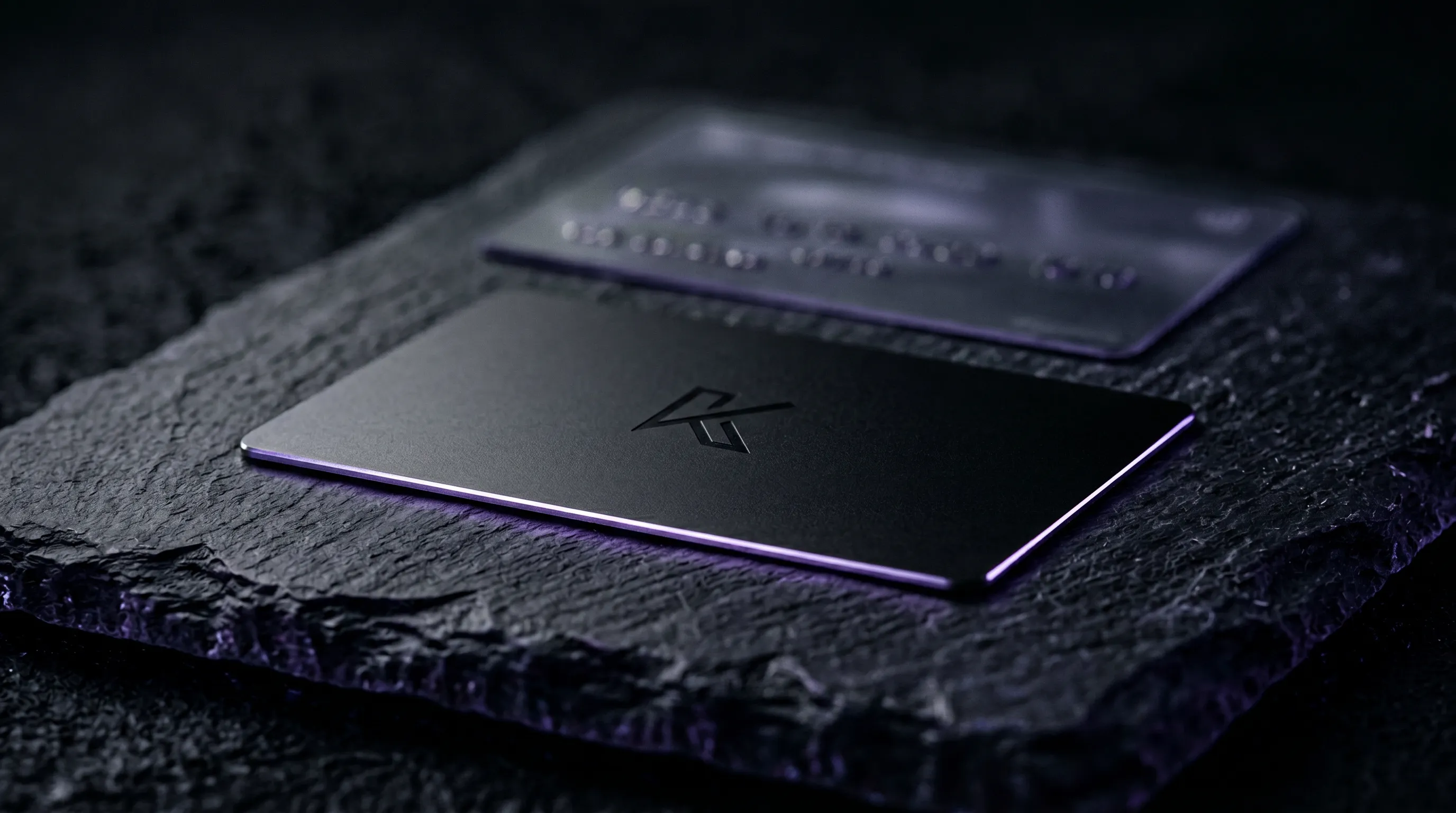
Discard makes one thing: a premium metal NFC business card paired with a digital profile. The card is laser-engraved into stainless steel or wood composite, not printed on top, which means the design does not fade or wear. The profile is editable from your dashboard at any time, on a simple €19.90/year subscription that keeps the page live.
Pricing starts at €40, and the card ships across the EU.
| Linq (when it sold cards) | Discard | |
|---|---|---|
| Card material | PVC or metal | Engraved metal or wood composite |
| Metal price | $59.99 | from €40 |
| App required for recipient | No | No |
| Profile editable post-purchase | Yes | Yes |
| Profile pricing | Subscription-gated, key features paywalled | €19.90/year, all features included |
| Active product development | No (pivoted) | Yes |
| Primary shipping market | US | EU |
Where the other nfc card companies sit
There are a few other names worth knowing about before deciding.
V1CE has the broadest material catalogue: PVC, bamboo, metal, and a 24K gold edition. They are a UK company with a sustainability story (B Corp certified, 103,000 trees planted) and a free in-house design service. Metal cards start around $80. Worth a look if material variety is the priority.
Popl is the most recognisable consumer NFC brand and has the strongest team-management feature set. Card quality is average. The strength is the software, the CRM integrations, and the team dashboards.
HiHello sits closer to a digital card platform with an optional physical card. If most of your sharing happens through email signatures, video calls, and LinkedIn rather than in-person, HiHello fits that workflow.
None of these are an exact replacement for Linq's old card. Then again, neither is Linq.
Who the discard card is for
Discard is not trying to be the cheapest NFC card on the market. The card is built for people whose work or role makes a strong physical first impression part of how they win business.
That includes architects and designers handing portfolios after a pitch, founders meeting investors, sales leads working high-trust relationships, real estate agents and consultants who close on referrals. Anyone who would rather hand over a piece of engraved metal than ask whether the other person has a pen is probably the right fit.
The verdict
Linq's NFC card used to be a reasonable buy. The company is now running on a different strategy and the card sits inside an unmaintained product line. Discard is the closest replacement on the market. The card is engraved metal, the digital profile is a transparent €19.90/year, and the product is being actively developed in Europe. From €40.
Design your metal NFC card and see the live profile preview before you order.
Design Your CardFrequently asked questions
Is Linq going out of business?
No. Linq pivoted to a developer-facing messaging product called Linq Blue. The original NFC card and app still work, but the company's investment is focused on enterprise messaging infrastructure rather than business cards.
Will my old Linq card stop working?
Not immediately. Existing Linq cards continue to function and the profile pages still load. The concern is forward-looking: with no roadmap and no new features shipping, the product will gradually lose ground to actively developed alternatives.
Can I move my Linq profile to Discard?
Yes. You can enter your profile information (name, links, contact details) into your Discard dashboard in a few minutes. The Discard card ships with a fresh chip pointing to your new profile, so the transition is straightforward and does not require any technical work.
Does Discard work on iPhone?
Yes. All iPhones since iPhone 7 (2016) read NFC tags natively in the background, and iOS opens the linked profile automatically. No app is needed on either side.
How does the pricing model work?
The card is a one-time purchase from €40 and does not expire. The digital profile it links to is €19.90/year — a single annual fee that keeps the page live and fully editable. If your role, links, or contact details change, you log into your dashboard and edit them. The card stays the same.
What if someone I meet does not have NFC?
Every Discard card includes a printed QR code on the reverse, which opens the same digital profile on any camera-equipped device. The QR code is a fallback for older phones or cases where a metal wallet blocks the NFC signal.