Dot makes a clean digital business card. The profile is free, the app is tidy, and one tap sends your details to a stranger's phone. So why do so many people go looking for a Dot card alternative before their first one even arrives? It usually comes down to the one thing the app can't fix: the card itself.
Dot's cards ship in one standard design you can't change, in plastic, built to point at a profile rather than to be looked at. That is fine if the object is beside the point. If you hand your card to people who notice materials, like clients, creative directors, or anyone deciding whether to take you seriously in the first ten seconds, the object is the point. This guide walks through the alternatives, and which one fits which kind of networker.
What a Dot card actually is
Dot is a digital-first business card. You build a dot.Profile, load it with your contact details and links, and share it by NFC tap, QR code, or a plain URL. The free tier covers a single profile, a Plus plan runs about $10 a month, and a physical dot.card costs around $20.
The strength is the software. Lead capture at events, follow-up reminders, a contact book you can export to CSV. The card is a delivery mechanism for that, and Dot treats it that way. The device comes in one standard look you can't edit, so the profile carries all the personality and the card carries none.
Why people look for a Dot card alternative
Three reasons come up again and again.
- Design. Dot's card is a fixed template. If you care how your card looks in someone's hand, one non-editable design is a hard ceiling.
- Material. Plastic reads as functional. For a first meeting where the card is the thing someone keeps, plastic undersells the moment.
- Team control. Dot has no CRM integrations and thin team management, so growing companies outgrow it fast.
None of these are dealbreakers if you only want a free digital profile. They become dealbreakers the moment the physical card has a job to do.
What to look for in a Dot alternative
Before you compare names, decide what the card has to do for you. A good alternative should give you all of this:
- A profile you own and can edit anytime, without the details baking permanently into the card.
- A card material that matches the impression you want to make.
- Real design control over the object, not one house style.
- One clear price with the profile features included, not a subscription that paywalls the useful parts.
- Cross-platform tapping, so the card opens on any recent iPhone or Android with no app to install.
Hold any alternative against that list. The one you pick should win on the parts Dot leaves on the table.
The alternative that leads with the object, not the app
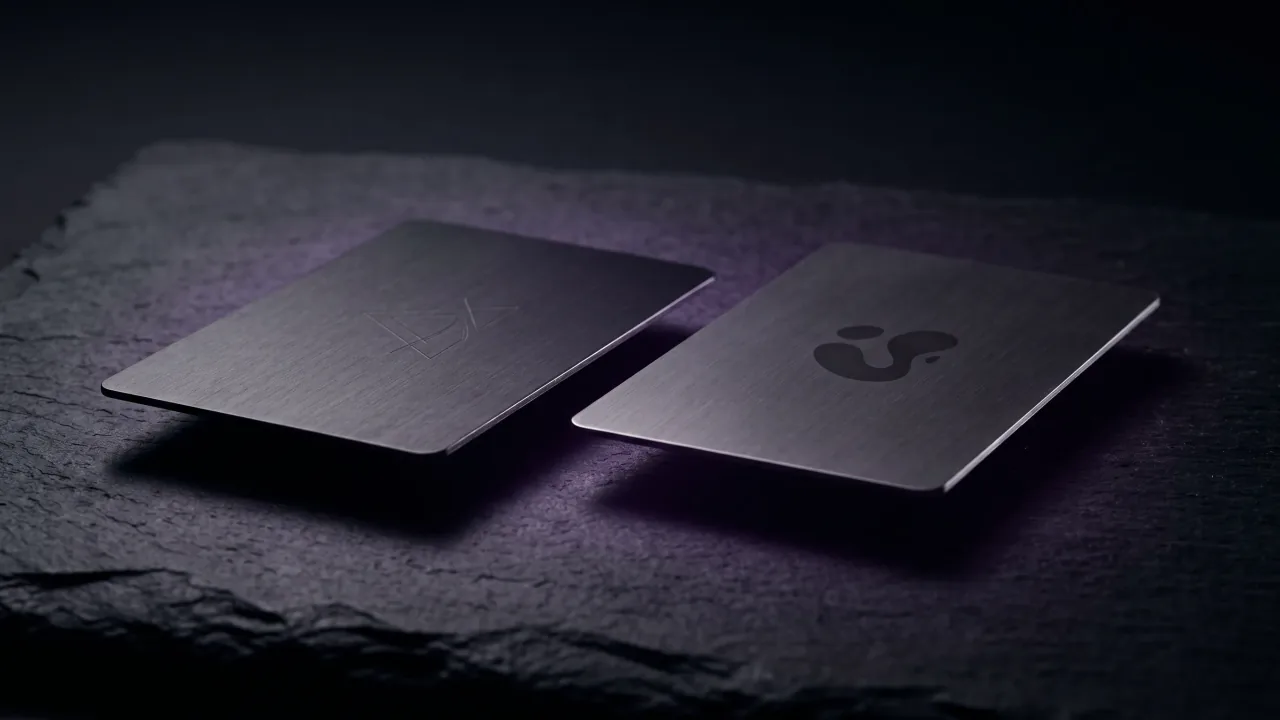
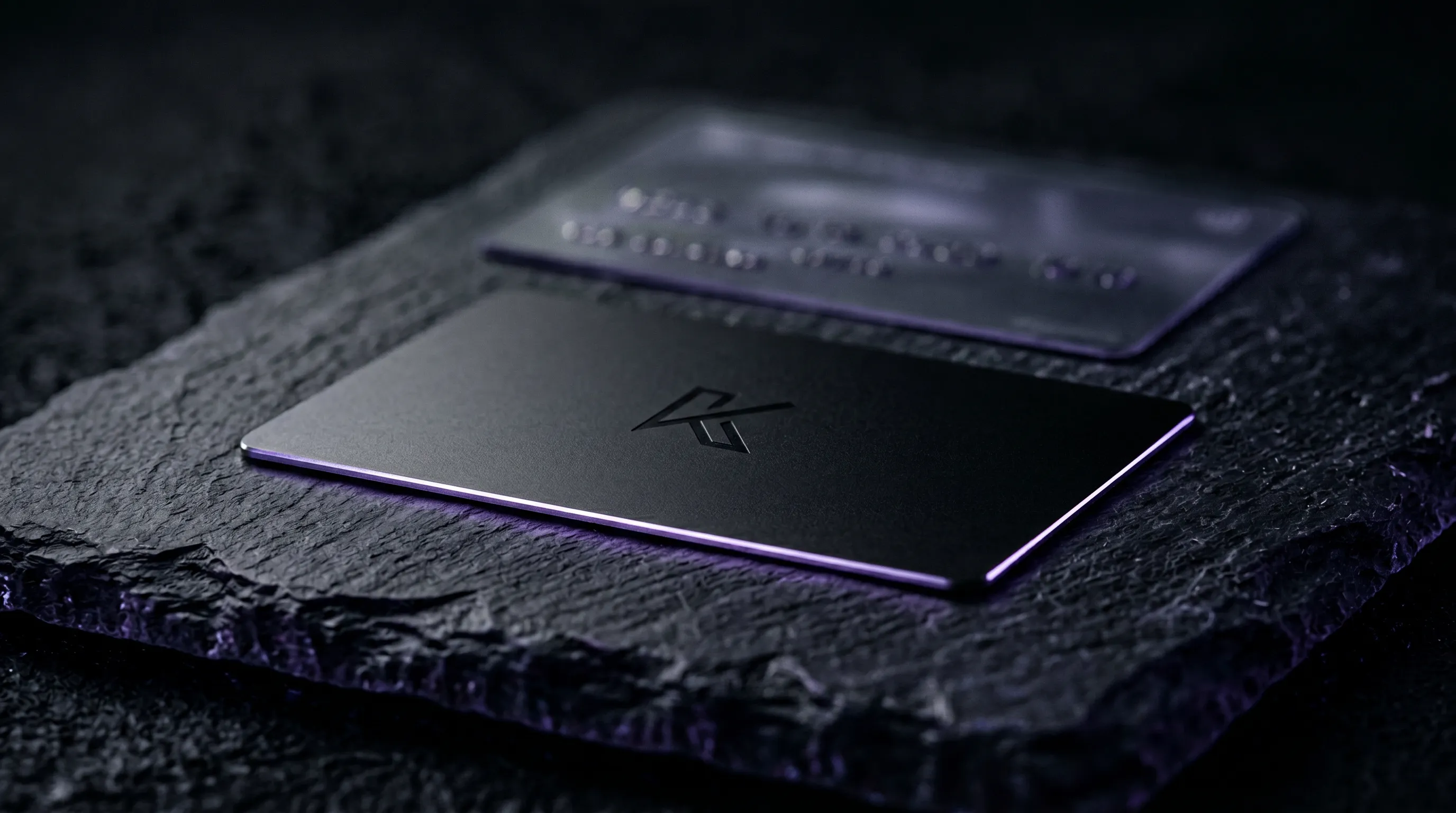
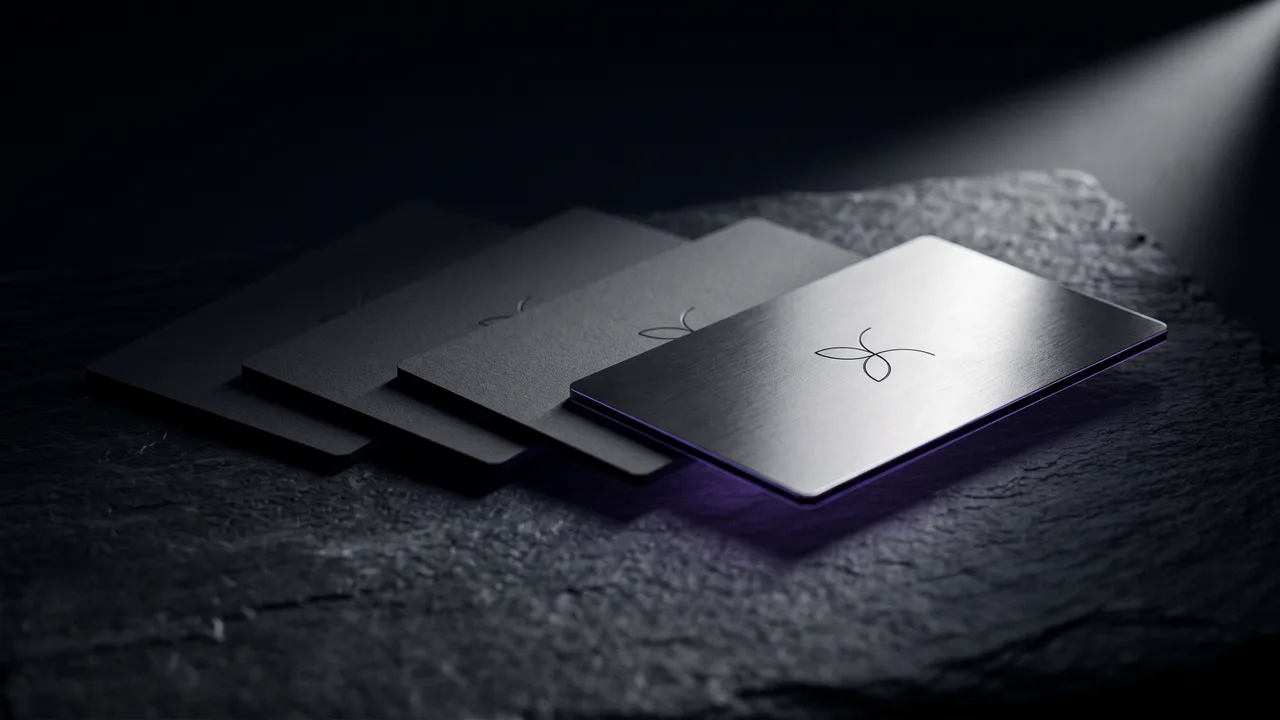
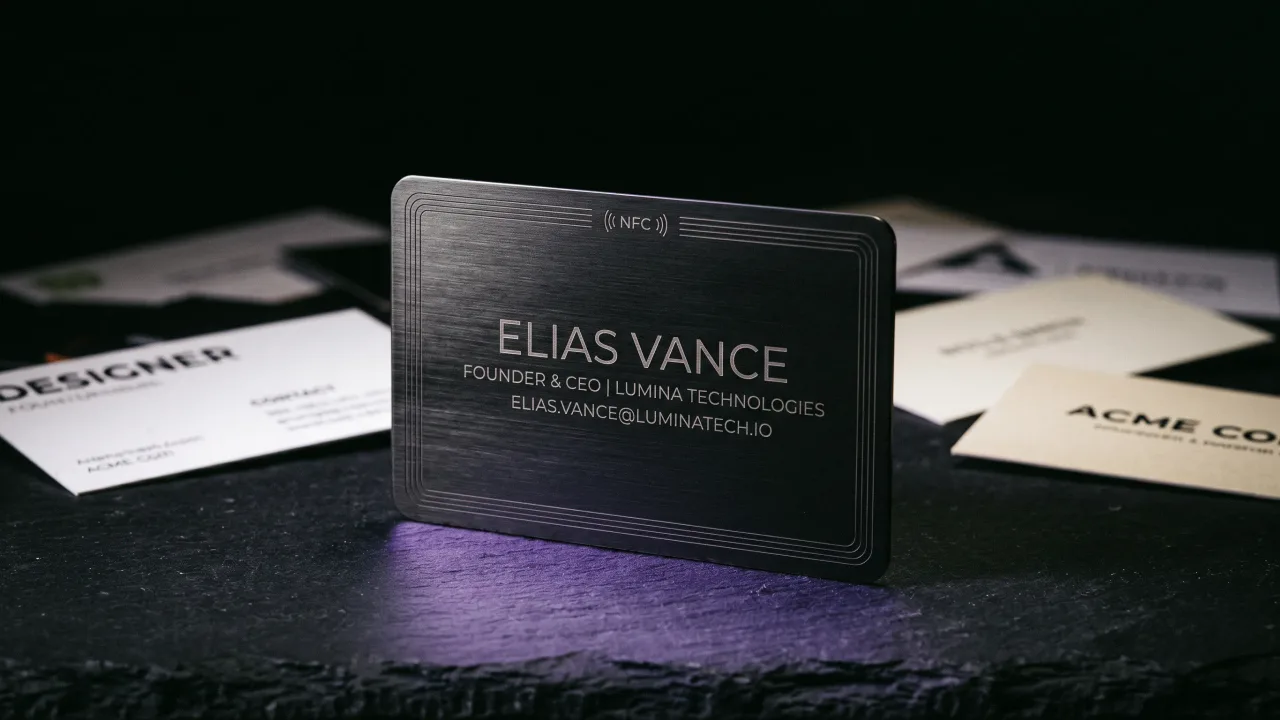
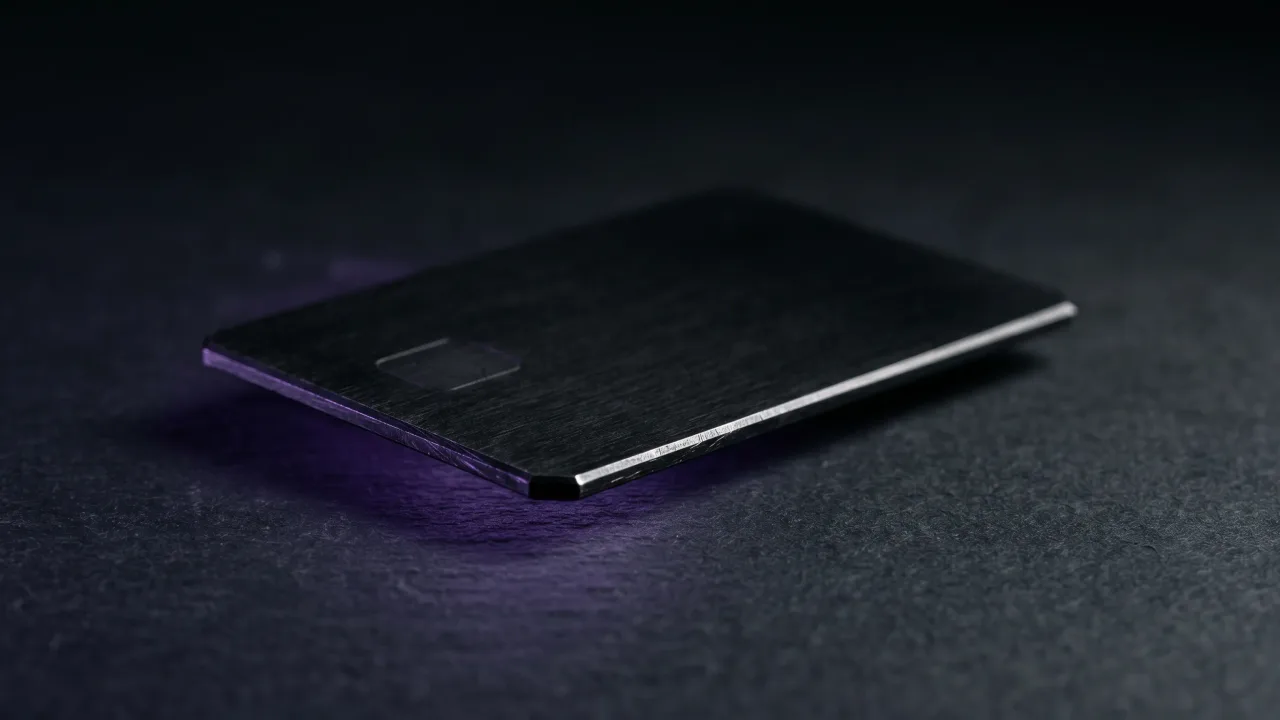
Discard comes at the problem from the opposite end. The profile is a given, a live page you edit whenever a title or number changes. The difference is the card. It's engraved metal, designed by you in the configurator, and the object is built to be the first impression instead of the afterthought.
The chip inside points at the same kind of profile Dot's does. Tap it to any recent phone and your page opens in the browser, no app required. What changes is the handoff. You're not passing a plastic template that looks like everyone else's. You're placing a piece of engraved metal in someone's hand, and the weight does part of the talking before they've opened anything. First impressions form in about a tenth of a second, and the object is what lands first.
The profile is a flat €19.90 a year with every feature included, no tiers and no locked analytics. The card is made in Europe. If your work is visual, the creative angle covers why the card should match the portfolio behind it, and the digital profile shows what the page itself can hold.
Dot vs Discard, honestly
Neither is strictly better. They are built for different priorities, and the honest comparison sits in the details:
- Design control: Dot ships one fixed design. Discard is customized end to end.
- Material: Dot is plastic. Discard is engraved metal.
- Profile pricing: Dot gates features behind a $10-a-month Plus plan. Discard includes everything for a flat €19.90 a year.
- The object: Dot's card is a delivery mechanism. Discard's card is meant to be kept and looked at.
- Origin: Discard is made in Europe and ships as a finished object, not a template.
Choose Dot if you want a free digital profile and the card is optional. Its software-first approach and event tools are good, and the price of entry is zero. Choose Discard if the card is the point. When you hand it to people who decide fast on how things look and feel, engraved metal and a design you control do work a standard plastic card can't. For the same honest treatment of other makers, our Discard vs V1CE comparison and the Linq alternative guide follow the same logic.
When a different alternative fits better
Discard isn't the answer for every case, and pretending otherwise would be the kind of bias a reader spots instantly.
If your priority is a large sales pipeline, with Salesforce or HubSpot and thousands of contacts flowing into a stack, a software-heavy platform like Popl or Mobilo is built for that volume in a way a design-led card isn't. If you never hand out a physical card and just want a free QR profile, Dot's own free tier already does that job.
Best is the wrong frame here. The question is which job the card is doing for you. If that job is being memorable in person, the object wins. If it's routing leads into a database, the software wins.
How to switch from Dot without losing anything
Switching is lighter than it sounds, because the profile and the card are separate things.
- Export your contacts from Dot as a CSV so nothing you've collected is lost.
- Build your new profile and set a short, readable handle.
- Design your metal card and order it; the chip is programmed to your profile before it ships.
- Update your email signature and QR links to the new profile URL.
- Keep the Dot profile live for a week or two as a redirect while your new card arrives.
That's it. No data stranded, no gap in coverage. If you're new to the tech, our guide to what NFC business cards are covers the groundwork, and the NFC Forum maintains the standard every one of these cards relies on.
A Dot card alternative makes sense the moment you decide the card should do more than deliver a link. Dot's software is good and its free profile is a fair place to start, so if the object never mattered to you, there's no reason to move. But if you hand your card to people who judge quality by what they can hold, a standard plastic template is the weak link in an otherwise strong pitch. Discard fixes that exactly: the same tap-to-open profile, wrapped in engraved metal you design yourself, for a flat yearly price with nothing locked away. Keep a free digital profile if you like. Just give the version people actually hold a body worth keeping.
Ready to trade a fixed plastic template for a card you design in metal? Build your Discard card, tap-to-open on any phone, with the whole profile included for one flat yearly price.
Design your cardWhat is the best Dot card alternative in 2026?
It depends on the job. For a premium physical card that makes the first impression, an engraved metal card like Discard leads on design and material. For a large CRM pipeline, a software-heavy platform like Popl or Mobilo fits better. For a free digital-only profile, Dot's own free tier is fine.
Why do people switch from Dot cards?
The three most common reasons are Dot's single non-editable card design, its plastic material, and its lack of CRM integrations and team controls. The profile software is solid; the limits show up in the physical card and in team features.
Is there a metal alternative to Dot cards?
Yes. Discard makes engraved metal NFC cards you design yourself, pointing at an editable web profile. The card opens on any recent phone with a tap and no app, and the design is fully customizable rather than one fixed template.
Does a Dot alternative work with iPhone and Android?
A good one works with both. Discard's card taps to open on any recent iPhone or Android in the browser, with nothing to install. The person receiving it doesn't need the same brand of card or any app of their own.
How much does Dot cost compared to alternatives?
Dot offers a free profile, a Plus plan around $10 a month, and a physical card around $20. Discard bundles every profile feature into a flat €19.90 a year with the metal card priced separately, so nothing useful sits behind a monthly upgrade.
Can I keep my contacts if I leave Dot?
Yes. Export your Dot contacts to a CSV before you switch, then import them into your new tool or CRM. Your collected contacts are yours; the card and profile you move away from don't take them with them.