Discard vs Popl vs Mobilo vs HiHello comes down to a question most comparison posts skip: are you buying networking software, or are you buying an object? Popl, Mobilo, and HiHello are apps first, with a card attached. Discard is a card first, with a profile attached. That one difference decides almost everything else on this page.
All four put a digital profile on someone's phone with a single tap, and none of them make the other person download an app. After that they split apart fast, on what the card is made of, what you actually pay across three years, how hard each one works to capture the other person's data, and where the thing ships from. This is a working comparison, not a hit piece. Each of these products is genuinely good at something. Below is who each one is for, and where Discard fits.
The quick verdict
Pick Popl if you run a sales team and live on lead capture and CRM sync. Pick Mobilo if you want a premium card backed by hardware-grade lead tracking for a field team. Pick HiHello if you want the most generous free tier and mostly need a clean personal card. Pick Discard if the card itself is the point: a laser-engraved metal object, made and shipped inside the EU, with one flat profile fee instead of a subscription ladder. The rest of this article is why.
Here is the snapshot. Prices are approximate and current at the time of writing, so check each provider before you buy.
| Popl | Mobilo | HiHello | Discard | |
|---|---|---|---|---|
| Card material | Plastic, metal add-on | Premium stock (metal, wood) | No card sold | Laser-engraved metal |
| Recipient needs an app | No | No | No | No |
| Lead capture / CRM | Deep, many integrations | Strong, real-time boards | Light | Export only, no native CRM |
| Free tier | Limited | Built around buying a card | Generous | Flat annual fee |
| Profile pricing | ~$7.99–$14.99/mo | from ~$4/mo + card | Free–~$8/mo | €19.90/year, all features |
| Origin & shipping | US | US / EU | US (software) | EU, ships across EU |
| Best for | Sales teams | Field & enterprise teams | Individuals | Design-led pros in the EU |
What Popl does well
Popl built its name at events. If you work a trade-show floor, its lead-capture forms and contact scanning are the best in this group, and the integration list is enormous, with the major CRMs and thousands of other apps wired in. A sales manager can hand cards to a ten-person team, watch the leads land in one dashboard, and route them into Salesforce without touching a spreadsheet. For that job, Popl is hard to beat.
The trade-offs show up away from the sales desk. The free tier caps how many contacts you can keep before it asks for money, analytics sit behind the paid plans, and the cards themselves are mostly plastic with metal available as a paid step up. Popl is networking infrastructure with a card bolted on, and it is honest about that. If you want a sales engine, this is one. If you want an object you are proud to hand over, it is not really trying to be that.
What Mobilo does well
Mobilo is the one in this group that takes the physical card seriously. It sells premium stock, including metal and wood, and the card can switch modes: a plain digital business card one day, a lead-capture form the next, a straight URL redirect after that. The lead boards update in real time, it syncs with Salesforce, HubSpot and Zapier, and the team dashboard is built for managers who need to see what a field team is collecting.
The catch is that Mobilo is hardware-first by design. You buy a card to get into the system, there is no meaningful free path, and the combined cost of premium stock plus a subscription puts it at the top of this price range. For a funded sales org that wants polished cards and tight lead tracking, that is money well spent. For one person who wants a beautiful card and a profile, it is a lot of platform to pay for.
What HiHello does well
HiHello has the best free tier here, and it is not crippled to push you into paying. You get a clean card, multiple profiles, a real address-book app, and basic analytics without spending anything. The design templates are tasteful, the iOS and Android apps are well made, and for an individual professional who wants a digital card that simply works, HiHello is the easiest yes in this list.
What HiHello does not do is sell you a card. It is software only, so if you want something to tap you are buying separate NFC hardware and pairing it yourself. Lead capture and CRM depth are lighter than Popl or Mobilo, and team administration is thinner. None of that matters for a solo user. It matters a lot the moment you are equipping a team or running events.
Where Discard is different
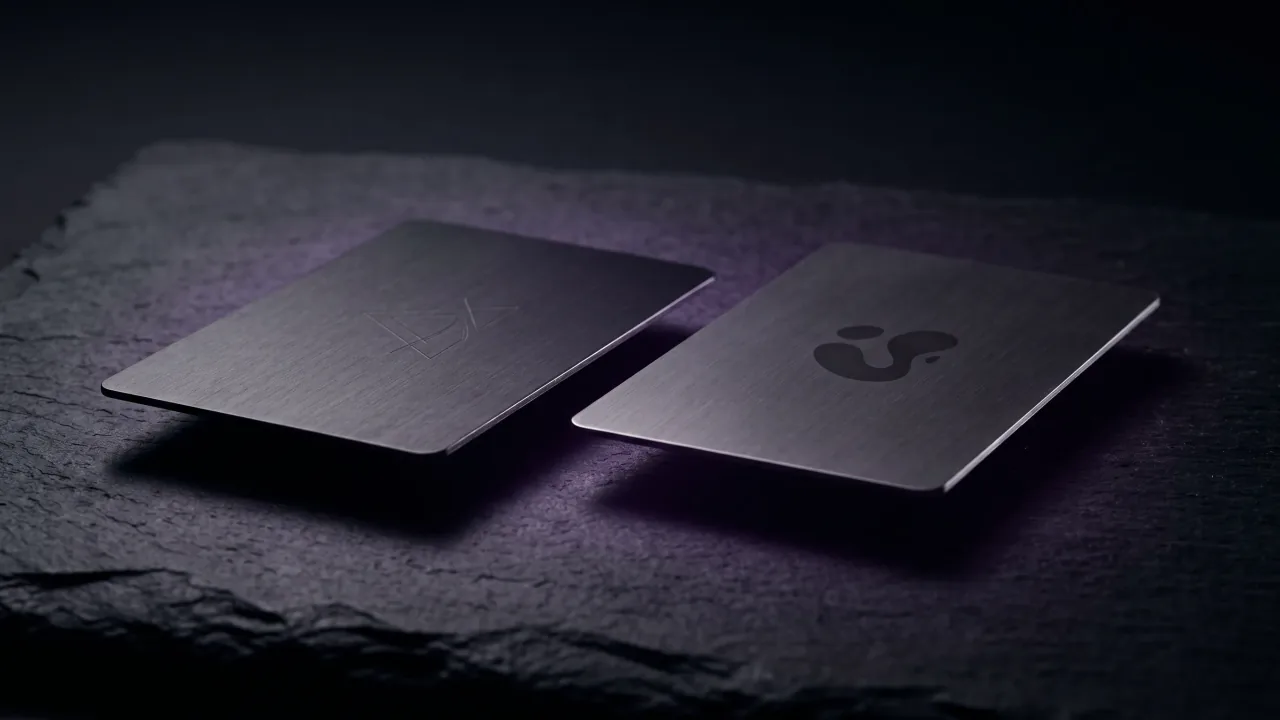
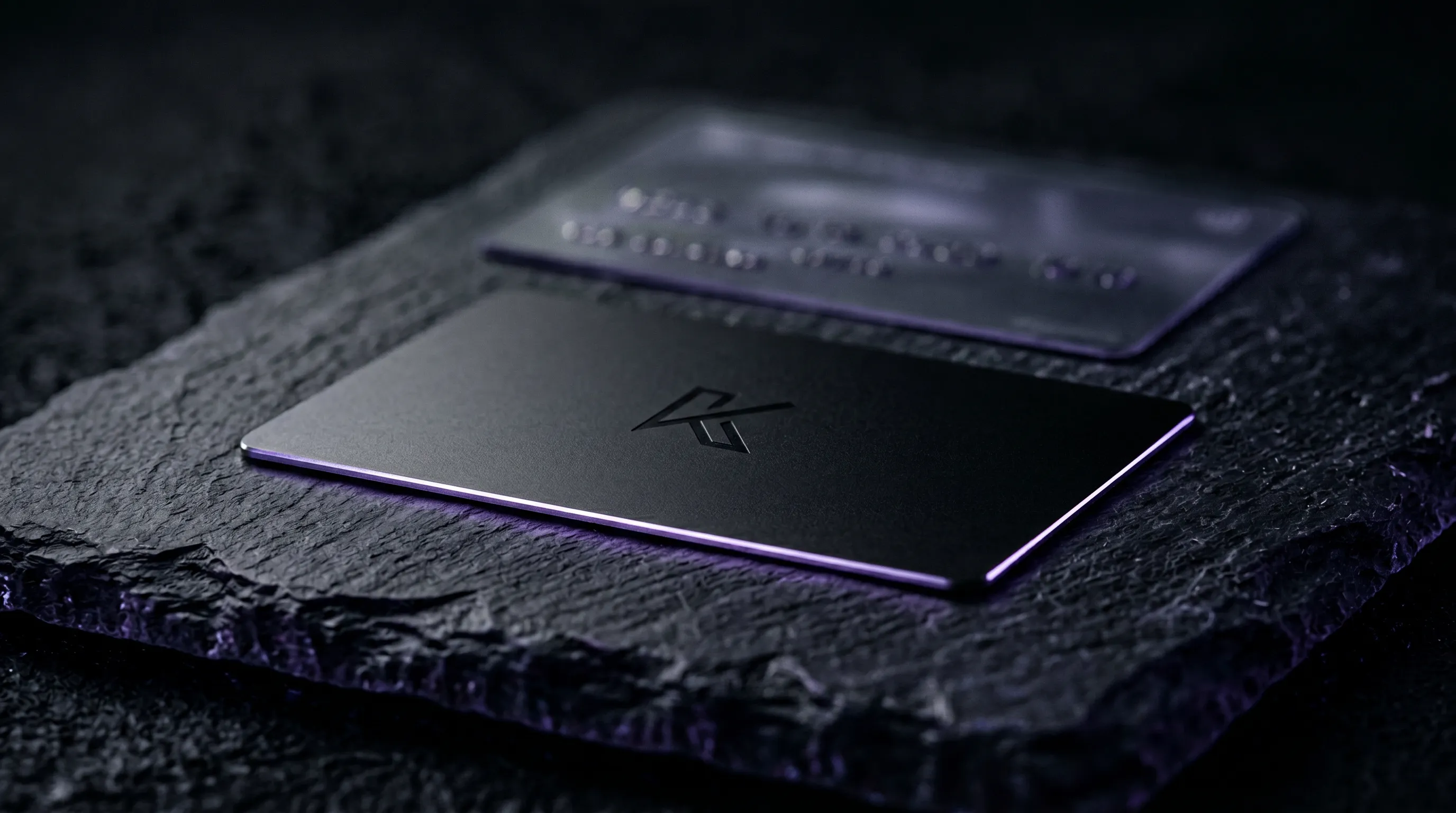
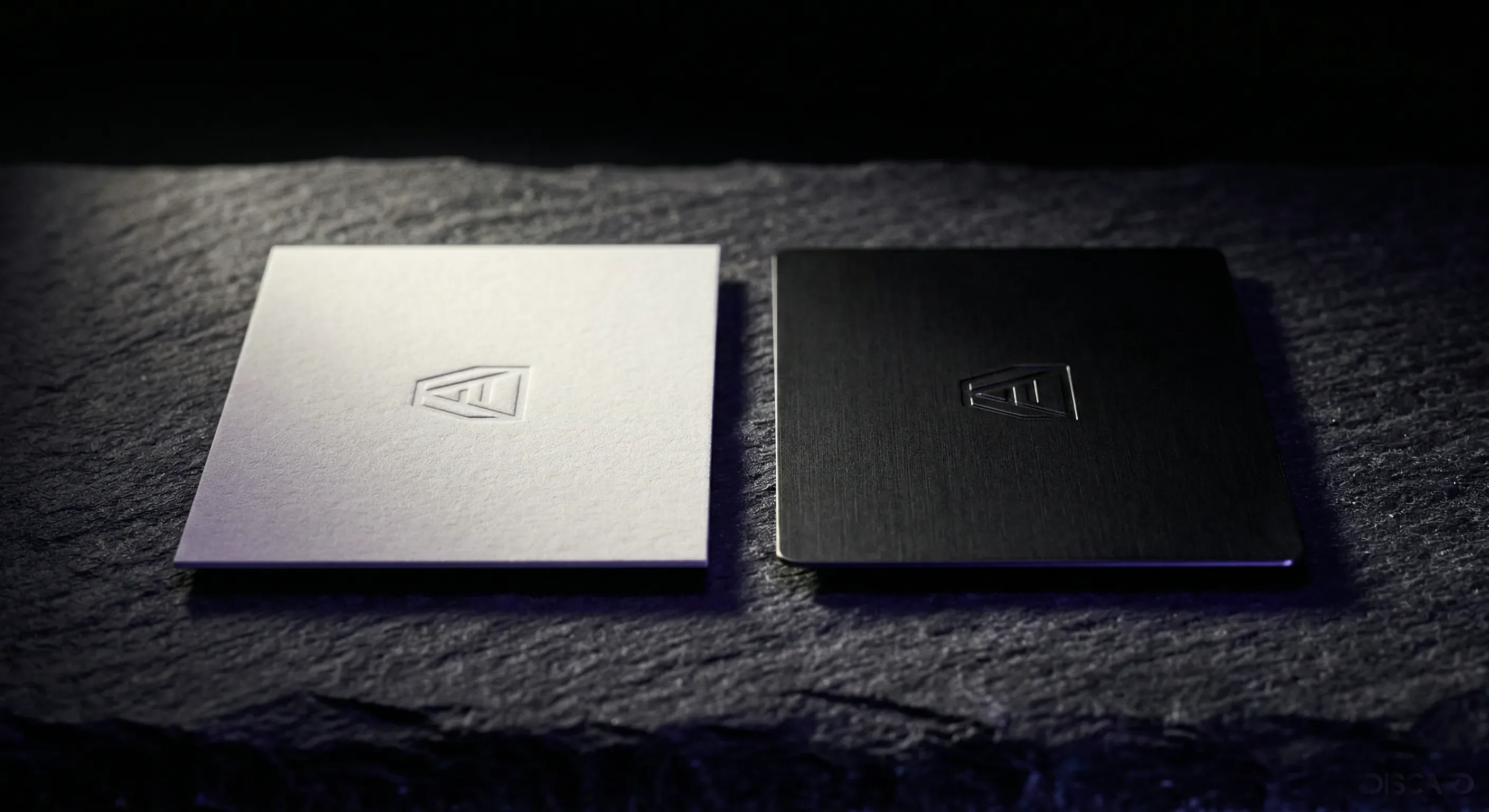
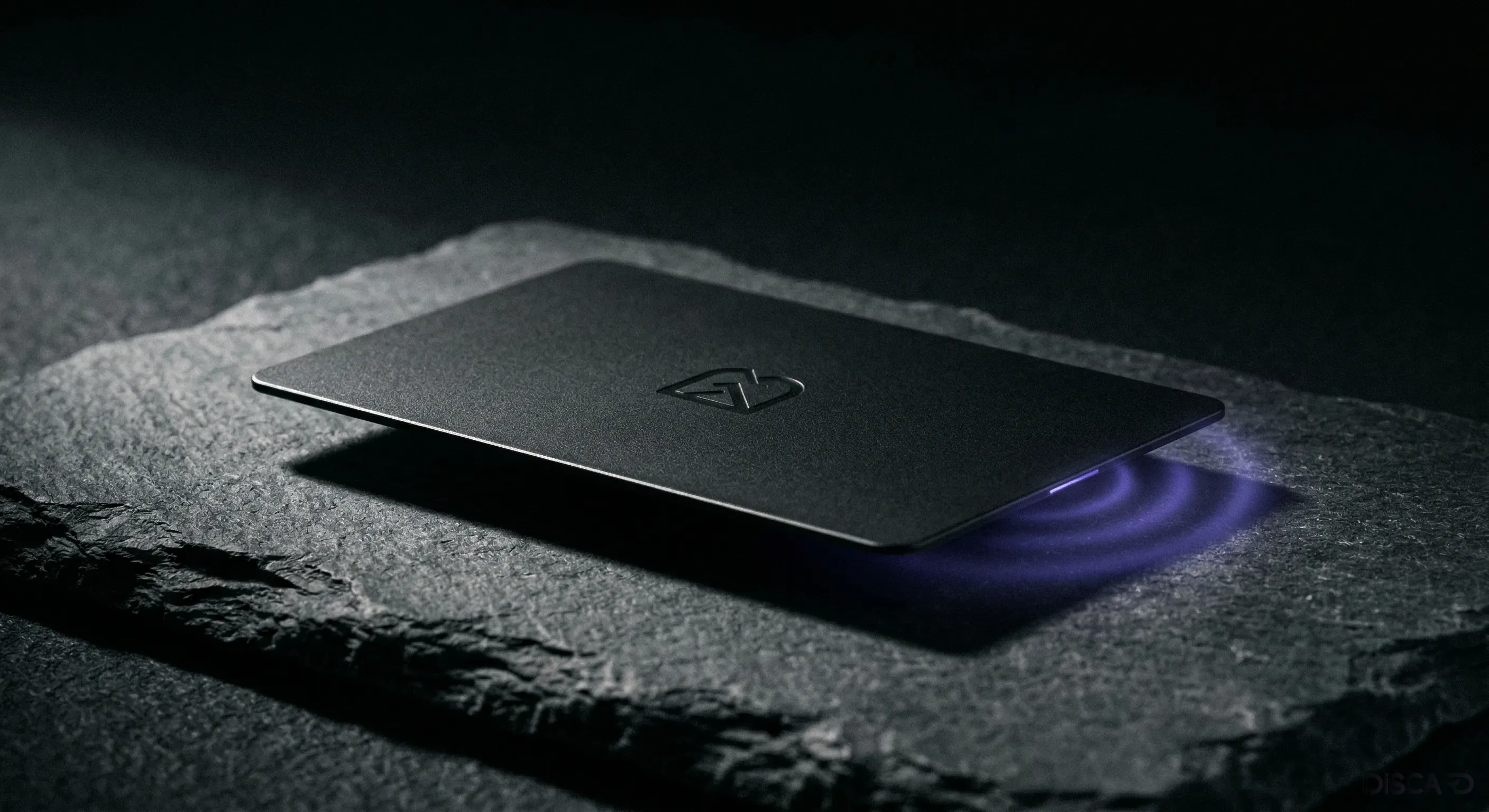
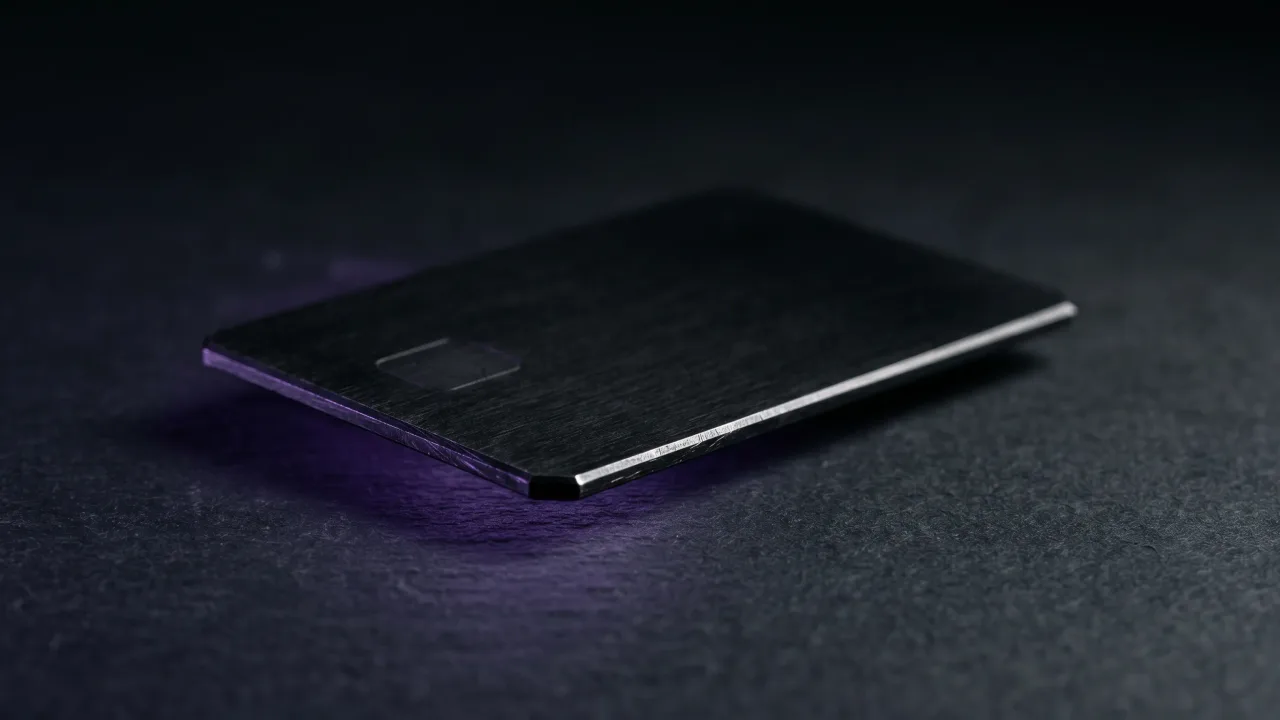
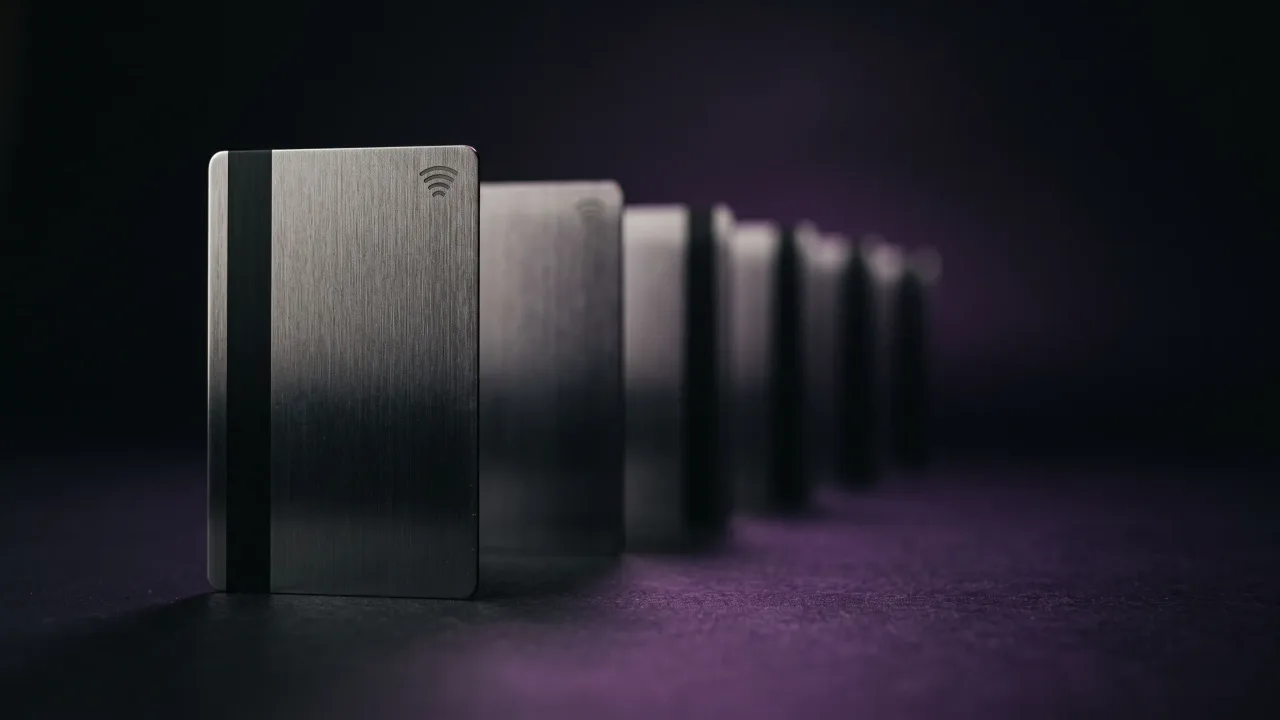
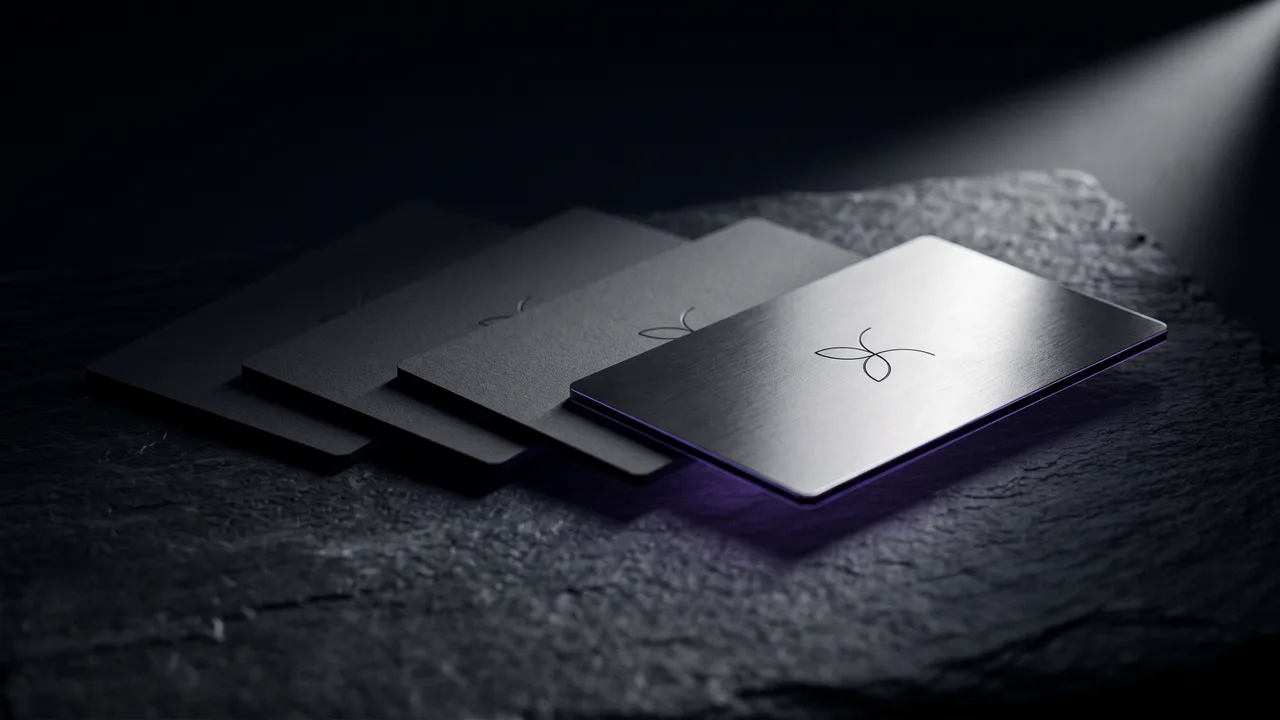
Discard starts from the other end. The card is laser-engraved stainless steel or a stained wood composite, so the design is cut into the surface instead of printed on top of it. It does not fade, peel, or scuff off after a year in a wallet, and it has the weight people associate with something that cost thought. You can see every finish on the materials page and build the whole thing with a live preview in the configurator before you order.
The profile is a flat €19.90 a year with every feature switched on, so there is no tier ladder where the useful tools live two plans up. The card and the profile are made and shipped inside the EU, which for European buyers means a few days in transit and no customs form on delivery. One tap opens a fast, editable digital profile, and nobody installs anything to view it.
Discard is honest about where it does less. There is no native CRM and no automated lead routing, so if your card's job is to feed a sales pipeline, Popl or Mobilo will do more for you out of the box. Discard exports your contacts and gets out of the way. It is built for the person whose first impression depends on how the object feels, not on how many fields it captures. If you want the long version of the engraving-versus-print argument, we made it in our Discard vs V1CE comparison.
Pricing: what three years actually costs
Subscriptions are quiet until you add them up. At the time of writing, Popl's upper plan runs near $15 a month, HiHello's paid plan around $6 to $8, and Mobilo sits higher once you include the card. Over three years a $15 plan is more than $500 before you have bought any hardware. The number creeps because it is monthly and small, which is exactly why it is easy to ignore.
| Platform | Card | Profile / plan | ~3-year cost, one person |
|---|---|---|---|
| Popl | Plastic from ~$25, metal extra | ~$7.99–$14.99/mo | ~$300–$560 + card |
| Mobilo | Premium stock, priced higher | from ~$4/mo + card | Card + ~$150 and up |
| HiHello | None, software only | Free–~$8/mo | $0–~$290 |
| Discard | Engraved metal from €40, once | €19.90/year | ~€100 all in |
Discard runs the other way. The metal card is a one-time cost from €40, and the profile is €19.90 a year, so three years lands near €100 all in. The fair caveat is that the subscription platforms bundle CRM and lead tooling that a flat profile fee does not, and team pricing is its own calculation. For an individual who wants a great card and a clean profile, the flat model is simply cheaper to live with.
Your contacts, your data, and the no-app question
First, the myth worth killing: none of these cards make the other person download an app. NFC is an open standard, and any recent iPhone or Android reads a tap and opens a normal web link. If you want the background, the NFC Forum maintains the spec and Wikipedia's overview of NFC explains it in plain language.
The bigger difference is where the data you collect ends up. Lead-capture platforms are designed to pull the other person's details into their cloud, often hosted in the US, and for European professionals that raises a real question about residency and consent under the EU's data protection rules. Reputable platforms all offer compliance; the difference is how much you are centralizing and where it sits. Discard's model points the other way: it shares your details outward, exports contacts you collect, and is hosted in the EU.
Who should pick which
Pick Popl if your card feeds a sales team, you need lead capture at events, and CRM sync is non-negotiable. Pick Mobilo if you want premium hardware with serious lead tracking and you are equipping a field force rather than yourself. Pick HiHello if you are an individual who wants a genuinely good free card and never plans to hand out hardware.
Pick Discard if you are a designer, architect, founder, consultant, or anyone whose work is judged partly by taste, and the card is part of that work. Pick Discard if you are in the EU and want to skip customs and subscriptions. The honest split is the same one from the intro: three of these are software that ships a card, and one is a card that ships with a profile.
The verdict
There is no single winner, because these products answer different questions. Popl and Mobilo win on lead capture, CRM depth, and team tooling; if your card is a sales instrument, buy one of them. HiHello wins the free tier and the solo experience. Discard wins the physical object, the engraving that lasts, EU shipping without customs, and a flat fee instead of a climbing subscription. If the card is sales infrastructure, look at Popl or Mobilo. If the card is you, that is the Discard case. From €40 for the card, plus €19.90 a year for the profile.
Design a laser-engraved metal card with a live preview, and pay once for the object instead of renting it by the month.
Design your cardFrequently asked questions
Which is the best NFC business card?
It depends on the job. Popl and Mobilo are best for sales teams that need lead capture and CRM sync. HiHello is the best free option for an individual. Discard is the best physical card if you want engraved metal and EU shipping. There is no single winner because they solve different problems.
Is Popl or HiHello better?
Popl is better for sales teams and event lead capture, with deeper CRM integrations. HiHello is better for individuals who want a strong free tier and a clean personal card. HiHello does not sell its own NFC hardware, while Popl does.
Does Mobilo make metal cards?
Yes. Mobilo sells premium card stock that includes metal and wood, alongside its lead-tracking software. It is a hardware-first platform, so you buy a card to use the system. Discard's metal cards are laser-engraved and made in the EU.
Do these digital business cards need an app?
Not for the person receiving the tap. All four open a normal web link that any recent iPhone or Android reads through NFC. You may use an app to manage your own profile, but the recipient never installs anything.
Can I use a digital business card for free?
Yes. HiHello has the most generous free tier, and Popl offers a limited free plan. Mobilo is built around buying a physical card, and Discard charges a flat €19.90 a year for the profile rather than offering a free tier.
Is a metal NFC card worth it over a free app?
If the card is part of your first impression, yes. A free app lives on a screen; an engraved metal card is an object you hand over that signals you took the moment seriously. If you only need a link to share, a free app is enough.
What is the cheapest option over three years?
For one person, a one-time metal card plus a flat annual profile fee usually costs less over three years than a monthly subscription on the higher tiers. A €15-a-month plan passes €500 in three years, while Discard's card plus profile lands near €100. Team pricing changes the math.
Where is the data from my contacts stored?
With lead-capture platforms, the contacts you collect sit in the provider's cloud, often in the US. For EU professionals, data residency and consent under EU rules are worth checking. Discard is hosted in the EU and exports the contacts you gather rather than centralizing them.