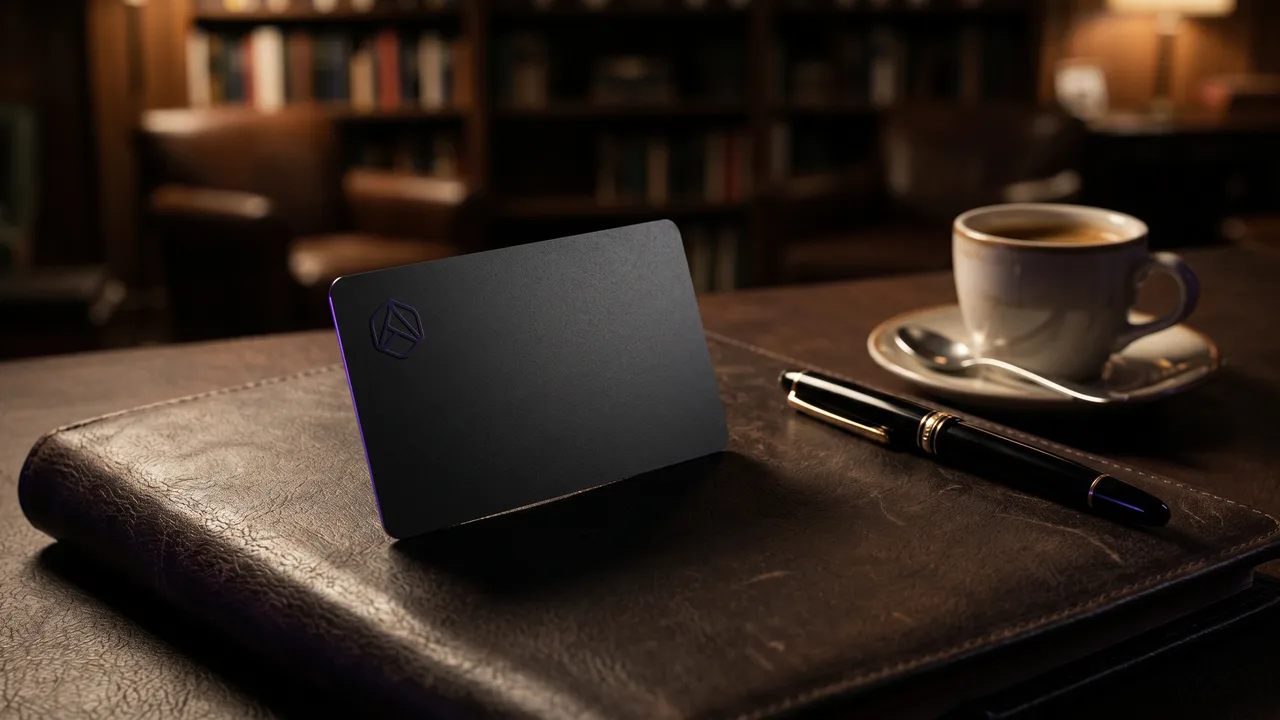
A working sales rep does roughly 200 first meetings a year, give or take a quota. Five percent of them stall on follow-up because a paper card slipped between a notepad and an expense receipt, and the prospect never bothered to type the email. Ten lost first meetings a year, all because the introduction object cost twelve euros and behaved like it.
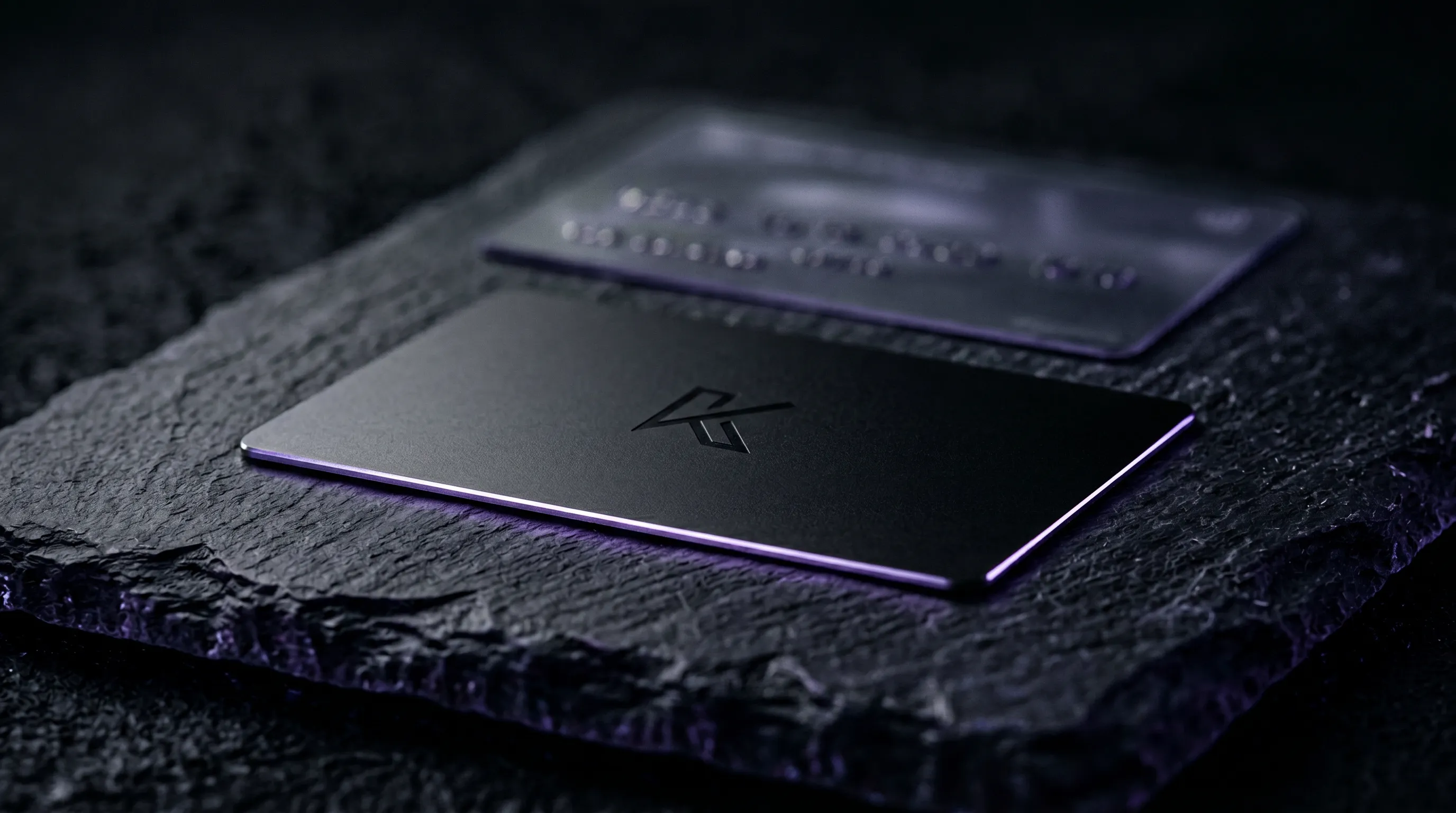
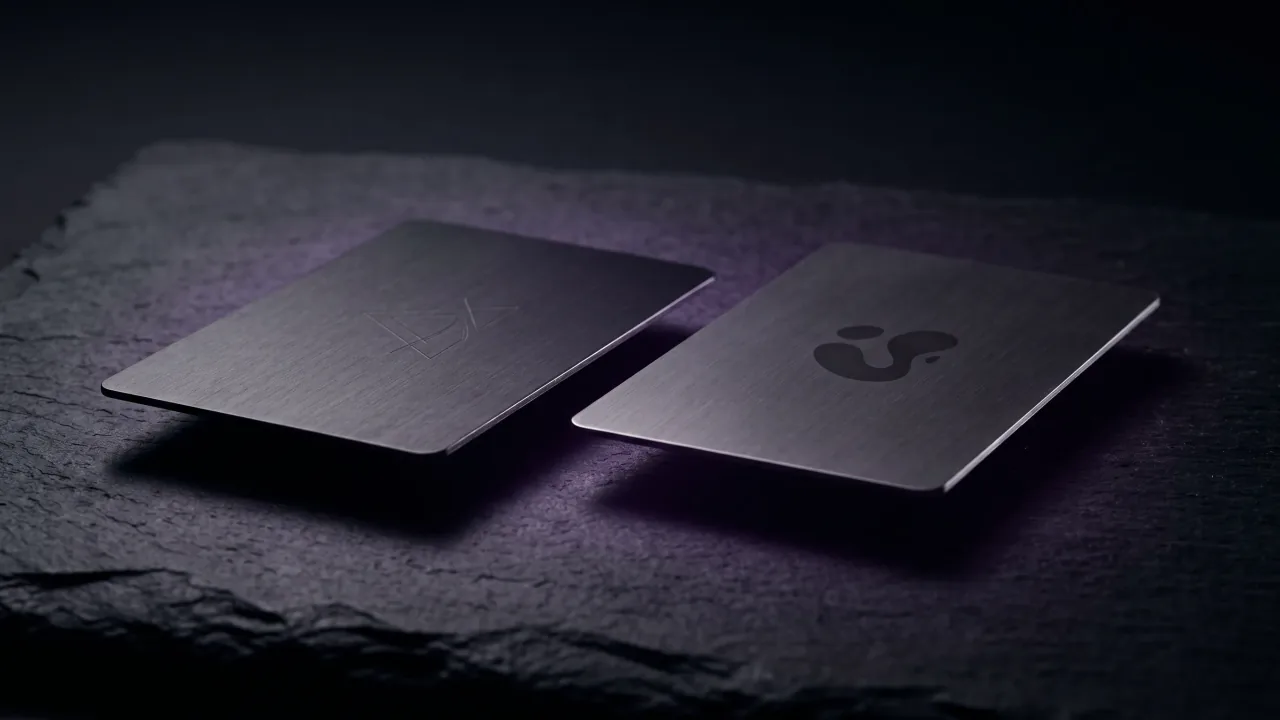
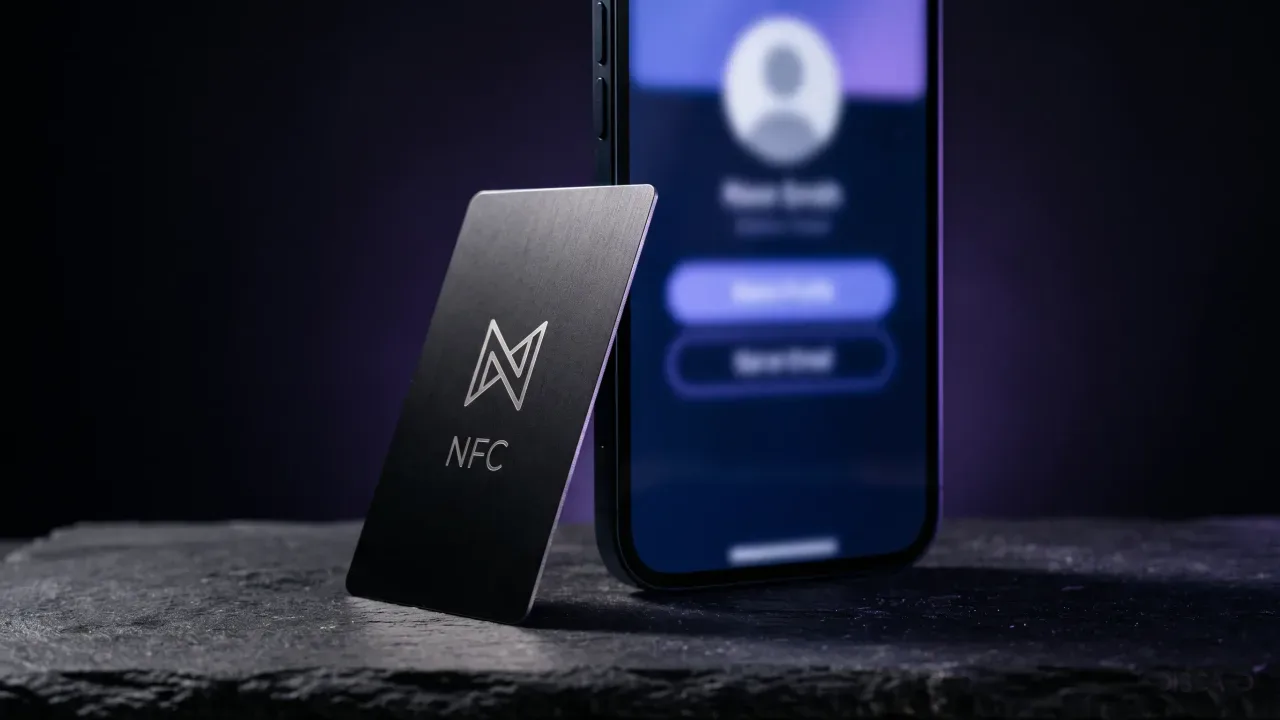
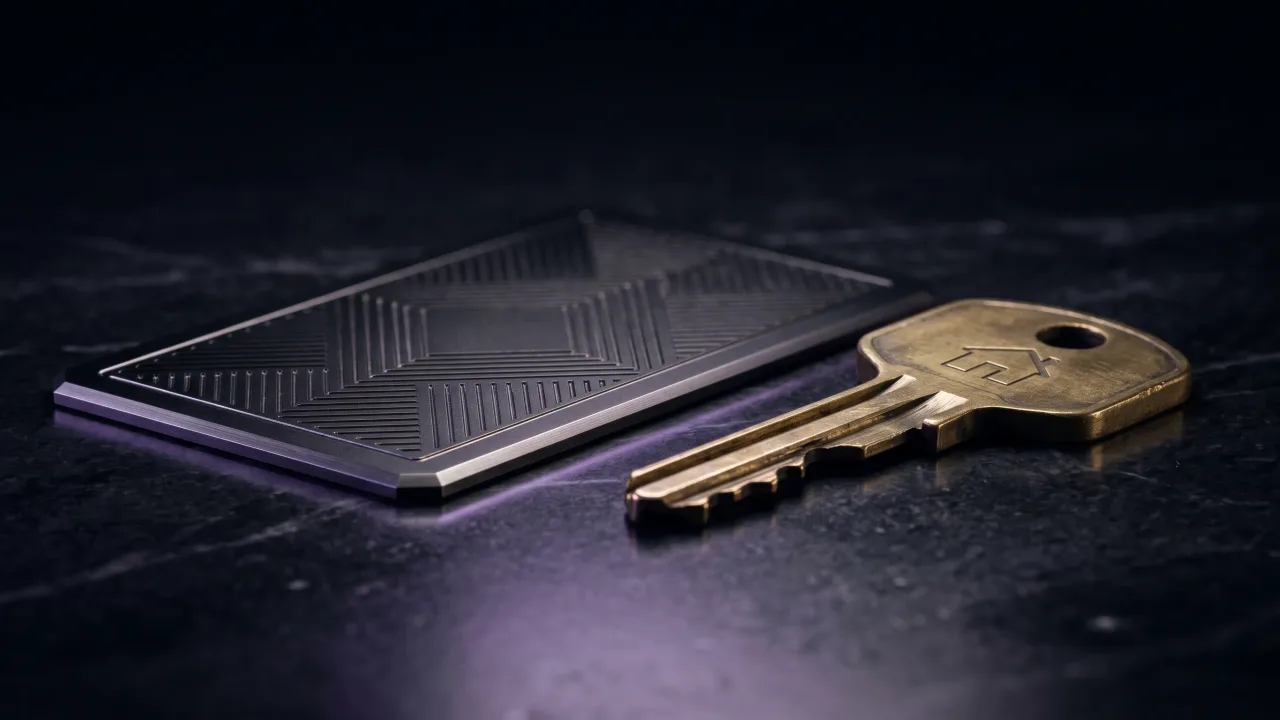
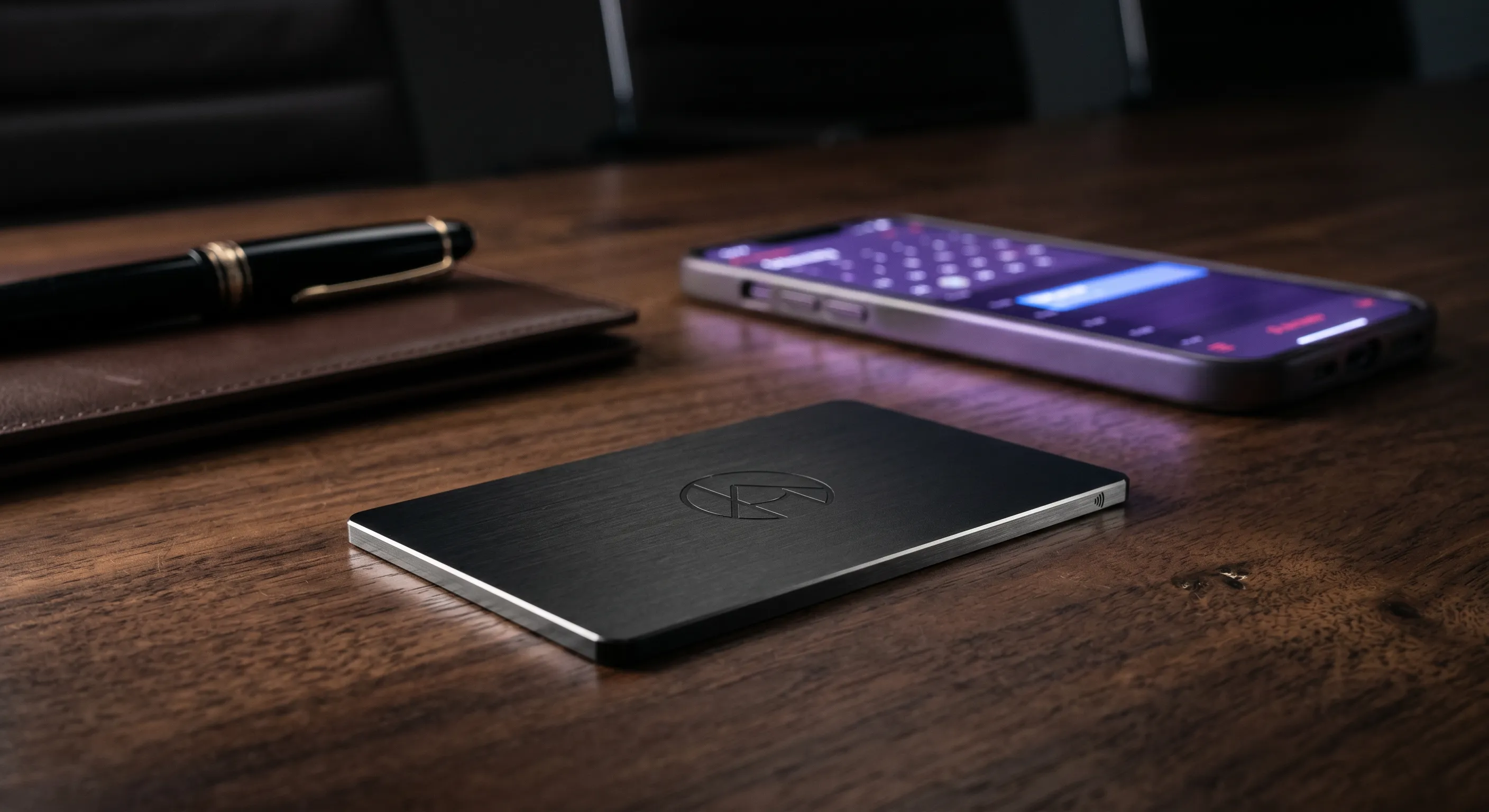
An NFC business card for sales fixes the slip. One tap from the recipient's phone opens your contact details, your booking link, and a two-line pitch in their browser before they leave the room. The card itself is engraved metal rather than printed cardstock, so it sits on a desk through the eighteen months between hello and signed paperwork.
The sales-quota math
Most sales reps do not run the numbers on their card spend, because it lives under marketing's budget. The honest math is harder than it looks. A 200-meeting year at a 30% cold-to-warm conversion rate produces 60 live opportunities, and the per-deal value at most B2B SaaS firms sits in the four-to-five-figure range. A 5% lift in follow-through against that baseline is three additional warm opportunities a year, multiplied by your average deal size.
A Discard engraved metal card costs €40 once. The digital profile behind the tap is €19.90 a year, flat. At the lowest reasonable B2B deal size, the card pays for itself the first time a meeting converts because the prospect could book a slot from the back of an iPhone instead of typing an email address. The other 199 meetings of the year are pure margin against the print stack a competitor handed out at the same conference.
The friction of 'send me an email later'
The sentence that ends most first meetings is, "Send me an email later, my assistant will book us in." That sentence is the death of the deal. Email addresses get mistyped. They land in vendor folders that get triaged on Friday afternoons. By the time the prospect opens the inbox, twelve other sales reps from the same conference are competing for the same slot.
A tap-to-booking flow turns the moment of goodwill into a booked meeting. The prospect taps the card on the back of their phone, your calendar opens in their browser, and they pick a slot before they leave the lobby. The friction that lived in the email gap is gone. The card is not the reason the deal closes. It is the reason the conversation does not end at the door. The broader argument for the format sits in the post on the Linq alternative for sales reps; this piece is about what the card has to do specifically in a quota-driven role.
What changes when the calendar is one tap away
A sales rep's calendar is the most valuable surface in the meeting, and the paper card never carried it. A Discard profile can lead with a calendar widget, a 30-second video pitch, and a short case study from a relevant industry, in whatever order the rep decides matters this quarter. The profile is editable from a phone, so the leading offer changes when the quarter changes.
For an account exec running outbound, the tap is the moment of warmth. For a sales engineer, it is the bridge to a demo recording or a one-pager. For a BD lead, it is the partner deck. One object, three different first impressions, all updated in two minutes from the dashboard. The full structure for a sales-facing profile sits in the digital profile tips guide.
AE, SDR, and BD: three jobs, one object
Account executives carry the highest-stakes meetings and need a card that signals seniority. Engraved stainless or matte black, the kind of object a CRO would not be embarrassed to pull out at a board introduction. The profile leads with a recent customer logo wall and a calendar.
SDRs work volume. The tap is the difference between sixty engaged contacts after a conference and six, because the prospects who took a paper card forgot they had it by the next morning. The profile leads with a short pitch and a meeting button, no preamble.
BD leads work partnerships. The card lands at events where decision-makers from neighbouring companies hand each other paper that gets recycled the same week. The tap opens a curated partner deck and a calendar set to 30-minute exploration calls. Same card, three different conversion paths, three different profile layouts saved in one dashboard.
The CRM trail that paper never leaves
A paper card produces no data after the handshake. The tap produces a timestamped event in the recipient's browser, and when the rep connects the profile to a CRM, the prospect's interaction history starts the moment the card is tapped. HubSpot, Salesforce, and Pipedrive all accept the data via standard webhook routes.
The result is a record of which conferences and which one-on-ones actually produced engaged prospects, not just stacks of cards in a hotel-room drawer. The line between activity and pipeline gets shorter by a step. For reps already running a Linq stack, the comparable Discard build sits at roughly half the per-rep cost over three years; the full price comparison is in the Discard vs V1CE breakdown.
What an NFC card is not built to do
An NFC card is not a CRM. The profile behind the tap can hand a clean record off to one, but the deal still gets worked in the system the team already uses. The card is the entry point, not the pipeline. A rep who expects the tap to replace Outreach or Salesloft is going to be disappointed.
It also does not replace cold outreach. A rep who already books meetings through outbound email or LinkedIn keeps using those channels. The card lives where the meeting becomes a real conversation, in the room, at the booth, across the table. If the pipeline is built on inbound and outbound combined, the card is the third leg of the stool, not the only one.
The verdict
For a sales professional, the question is whether the object you hand a prospect at the end of a meeting carries the meeting forward or ends it. Paper ends it. NFC carries it. Discard ships engraved metal NFC cards from the EU from €40, with a sales-facing digital profile at €19.90 per year and webhook routes to HubSpot, Salesforce, and Pipedrive. One card, every meeting, for the life of your quota. The math runs the same direction every quarter.
Design an engraved card and a sales-facing profile in one place, with a calendar widget and CRM webhooks ready to go before you hit your next conference.
Open the ConfiguratorFrequently asked questions
Do NFC business cards integrate with HubSpot or Salesforce?
Yes. The Discard profile can push tap events and form submissions to HubSpot, Salesforce, or Pipedrive via standard webhook routes, so a prospect's interaction history starts the moment the card is tapped. The CRM treats the inbound event the same way it would treat a form fill from a website, which means lead-scoring rules, sequences, and pipeline assignments all fire automatically.
Do prospects need an app to view a sales rep's NFC card?
No. <a href="https://en.wikipedia.org/wiki/Near-field_communication" target="_blank" rel="noopener noreferrer">NFC</a> is built into every iPhone from the XS onwards and every recent Android, and the recipient's phone opens the linked profile in their browser the moment the card touches the back of the device. No app to install, no account to create, no permission prompt at the booth.
Can a sales rep update the profile during a quarter?
Yes. The profile is editable from a phone or laptop in under two minutes, and the changes apply to every future tap on the same card. Most reps change the leading offer when the quarter changes, or swap in a new customer case study when a deal closes that they can talk about publicly.
What is the difference between a Discard card and a Linq card for sales?
Linq sells a plastic card with a subscription-locked feature set; Discard ships a one-time-purchase engraved metal card with the profile and CRM webhooks priced at €19.90 a year flat. The lifetime cost difference for a single rep over three years runs into the hundreds of euros, and the metal card carries a different signal at a senior introduction than printed plastic does.
Are NFC cards worth the cost for a junior SDR?
Yes, especially for SDRs working high-volume conference and event flows. The tap converts the meeting on the floor rather than relying on the prospect to remember a paper card the next morning. At €40 once plus €19.90 a year, the card pays for itself the first time a tap converts to a booked qualification call.
Can a sales team order Discard cards for the whole roster at once?
Yes. Discard has a dedicated Teams flow that handles minimum 5-card rosters, central branding lock, and invoice-by-default billing, with per-rep profile provisioning so admins can swap a rep in or out without re-ordering cards. The setup for team rollouts sits at <a href="/teams">the Teams page</a>.