A paper business card costs about ten cents to print and roughly a week to survive. That gap is the whole story. Nobody argues paper is expensive on the day they buy it. The argument starts a year later, when you are reordering the same box for the third time and most of the last batch is already in someone's bin.
So are NFC business cards worth it? For anyone who hands out cards more than a few times a month, yes, and the reason is unglamorous: you buy the card once. One tap-to-share card replaces the stack you keep reordering, and the profile behind it updates the second your title or number changes. The price question is really a math question, and the math leans toward the card you never reprint.
What does an NFC business card actually cost?
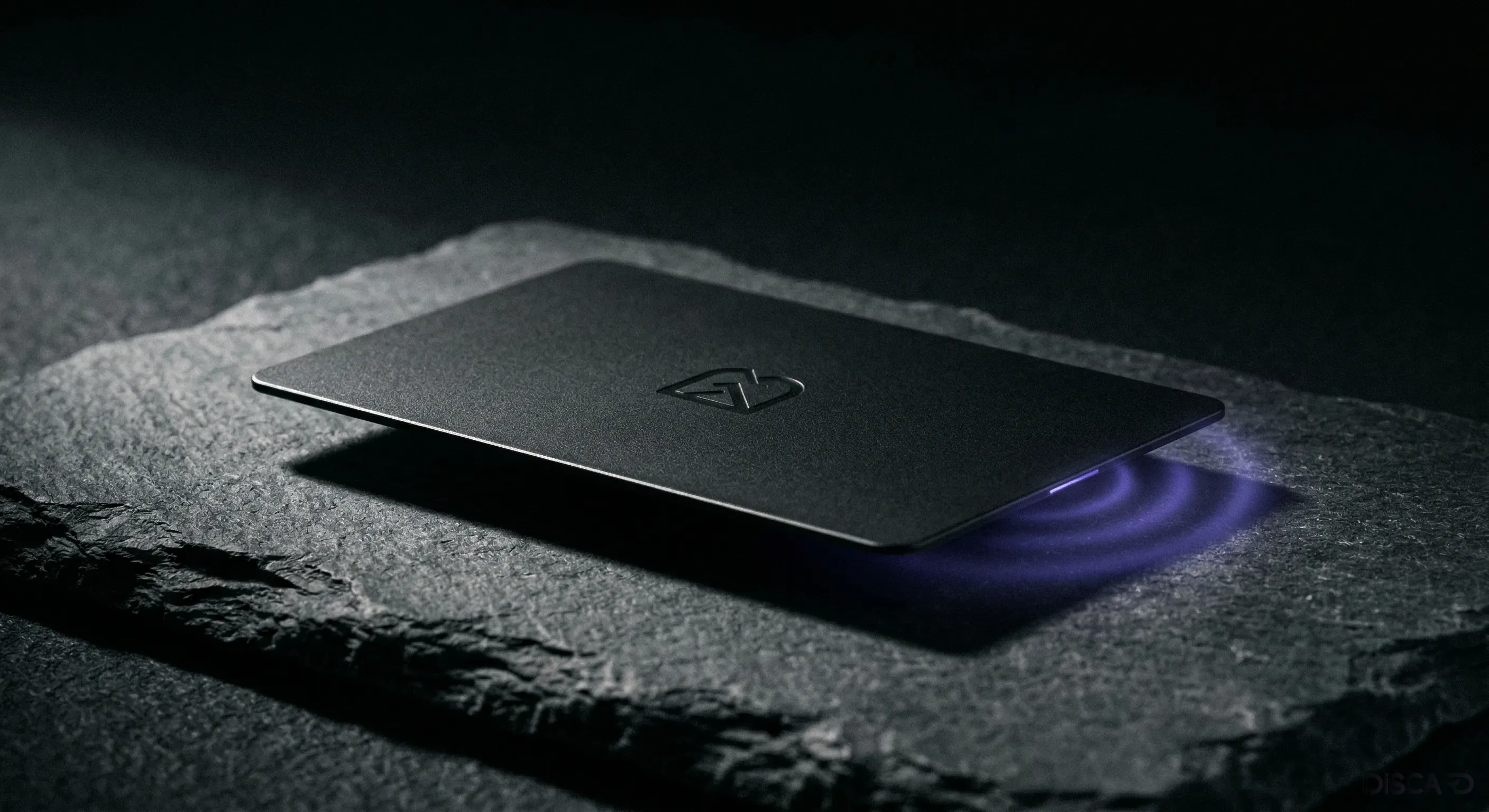
Up front, an NFC card costs more than paper, and there is no point pretending otherwise. A box of paper cards can be a few euros. A cheap plastic NFC card runs a little more. A premium metal one costs about as much as a decent dinner for two.
The difference is that you pay it once. No reorder when your number changes, no fresh design fee, no minimum order of five hundred you mostly feed to the recycling bin. You buy the card, build the digital profile it opens, and the spending stops there. That is the gap between a one-time purchase and the total cost of ownership of something you reprint on a schedule.
Paper looks cheaper until you do the three-year math
Paper wins the receipt and loses the decade. Each reprint feels minor on its own, which is exactly how the cost hides. A new role, a new mobile, a rebrand, and another box goes in the order. Most professionals reprint two to four times a year, which at normal print prices lands somewhere around €240 to €480 over three years.
An NFC card collapses all of that into one purchase. When a detail changes you edit the profile, and the card already sitting in someone's wallet now points to the new information without a reprint. We run the full breakdown in the hidden cost of paper business cards.
There is a simple break-even point hiding in that table. A premium NFC card costs about one paper reprint, so it pays for itself the first time you would have reordered. Everything after that is money saved, plus a profile that was never out of date in between. That is the whole case for an NFC card's ROI in one line: the second reprint you skip is pure profit.
| Over three years | Paper cards | Plastic NFC card | Metal NFC card |
|---|---|---|---|
| Up-front price | Low | Medium | Higher |
| Reprints needed | 2–4 per year | None | None |
| Update a detail | Reprint the box | Edit the profile | Edit the profile |
| Rough 3-year total | €240–€480 | Cost of one card | Cost of one card |
What you actually get for the money
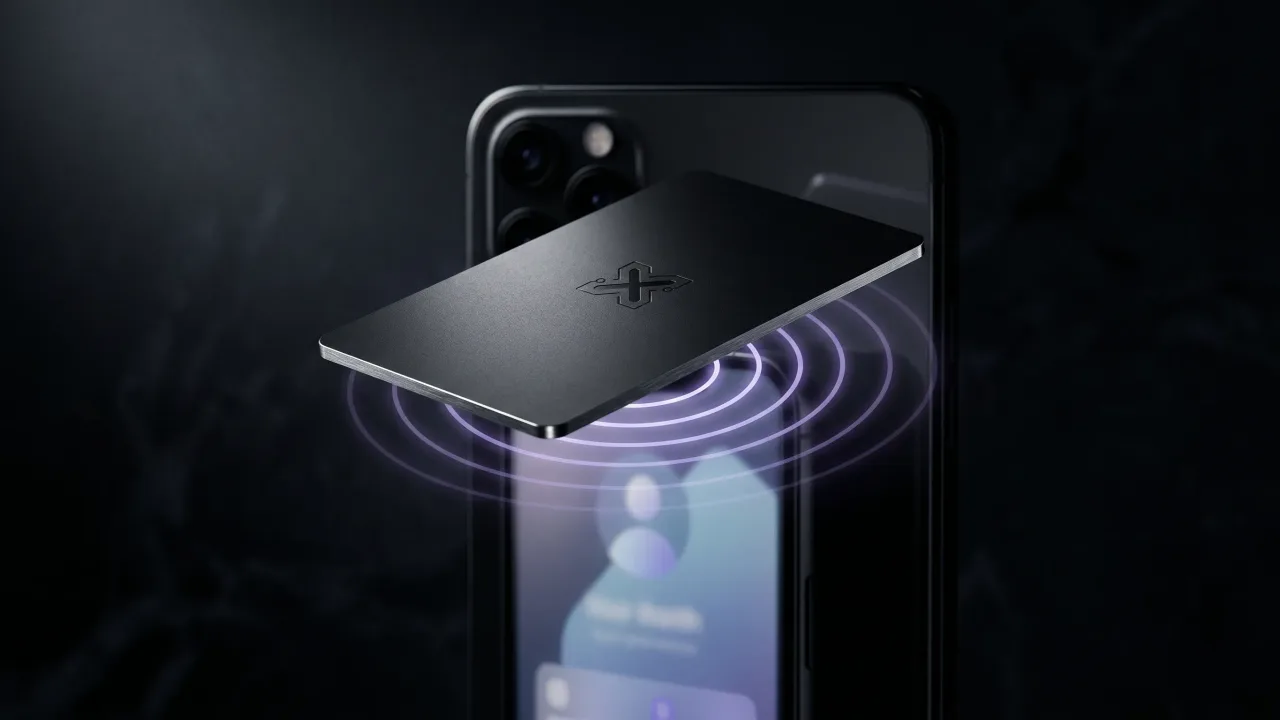
The fee buys more than a nicer object. A tap opens your profile on the other person's phone with no app to download, and a save-contact button drops you straight into their address book. Near-field communication does the handshake; you just touch the card to the phone.
- One card you reuse forever, instead of a box you ration.
- A profile you edit anytime, so a job change never costs a reprint.
- A tap count that tells you the card is actually being used.
- A QR code as backup, so a phone that will not tap can still scan.
The tap count is quietly the most useful part. A paper card vanishes the moment it leaves your hand, so you never learn whether it worked. An NFC card tells you it was opened, which turns a guess into a number and shows you which events and which contacts are actually paying attention.
The upside goes wider than cost, and we cover it in the benefits of NFC business cards. The short version: the card stops being a thing you hand over and forget, and becomes a link you can keep improving.
When an NFC business card is worth it
The card pays for itself fastest for people who meet people. If you work a sales floor, run viewings, attend conferences, or hand your details to new clients most weeks, the reprint savings and the always-current profile both compound quickly.
It is an easy yes for sales reps, real-estate agents, founders, consultants, and creatives who want a portfolio one tap away. For a small business, a single card per person also keeps everyone's branding identical without a print run every time someone is hired.
For a small team the calculation is headcount times reprint frequency. Five people who each reorder twice a year is ten print runs you can simply delete, and the saving turns up on the first invoice you never pay. That is usually where the worth-it question stops being close.
When an NFC business card is not worth it
Honesty helps here, because the card is not for everyone. If you hand out two cards a year, the math never gets the chance to swing your way, and a cheap paper card is the rational choice.
It is also a weaker fit if your work bars you from sharing a public profile, or if you only want a card as a desk ornament. Even then the compatibility worry is smaller than people expect: every Discard card carries a QR fallback, so a recipient on an older phone scans instead of taps and nothing breaks.
Cheap plastic NFC vs premium metal: where the value really is
Not every NFC card is worth the same money, and this is where most buyers either overpay or underbuy. A plastic card taps exactly like a metal one, so on paper they do the same job.
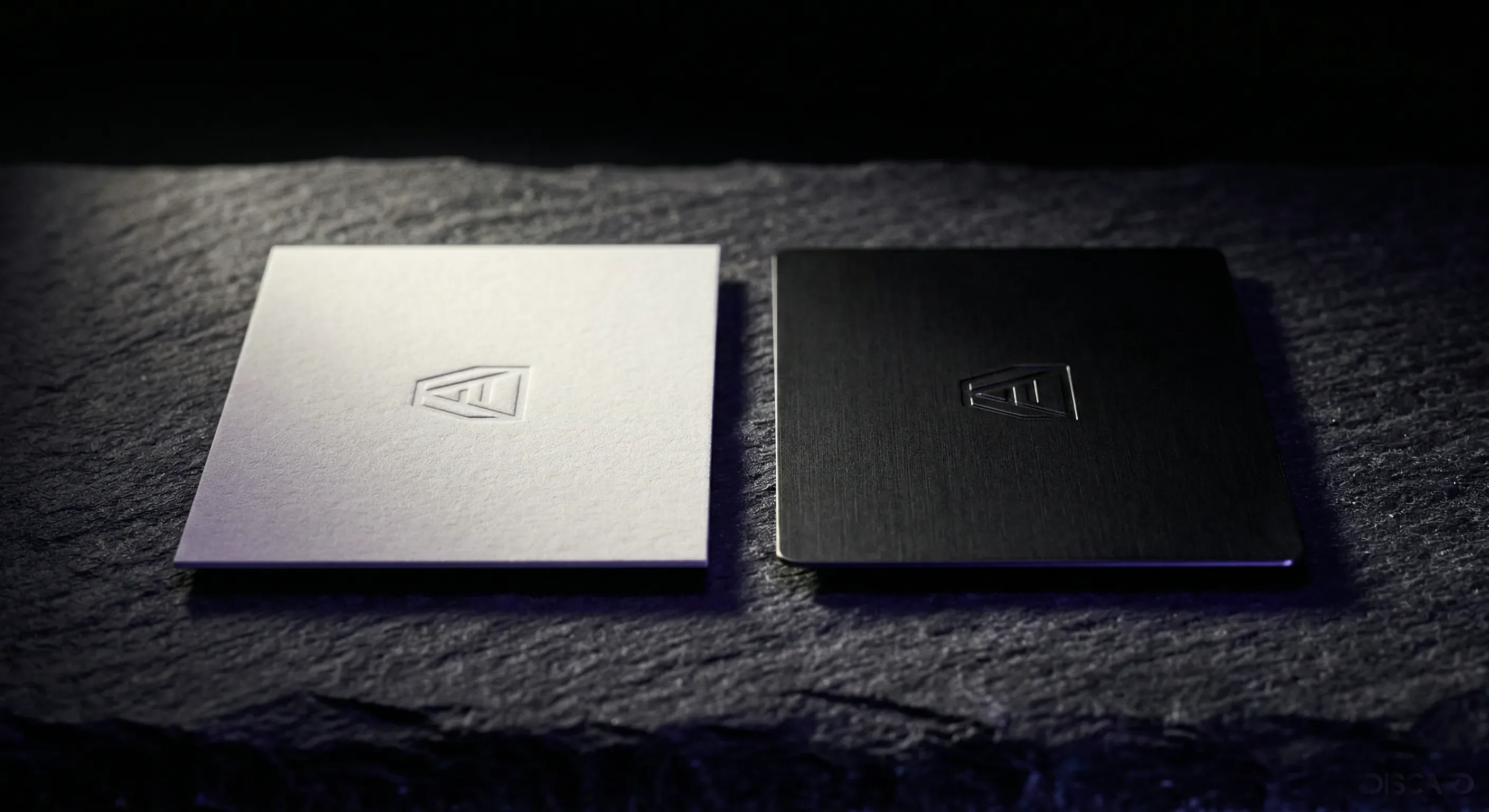
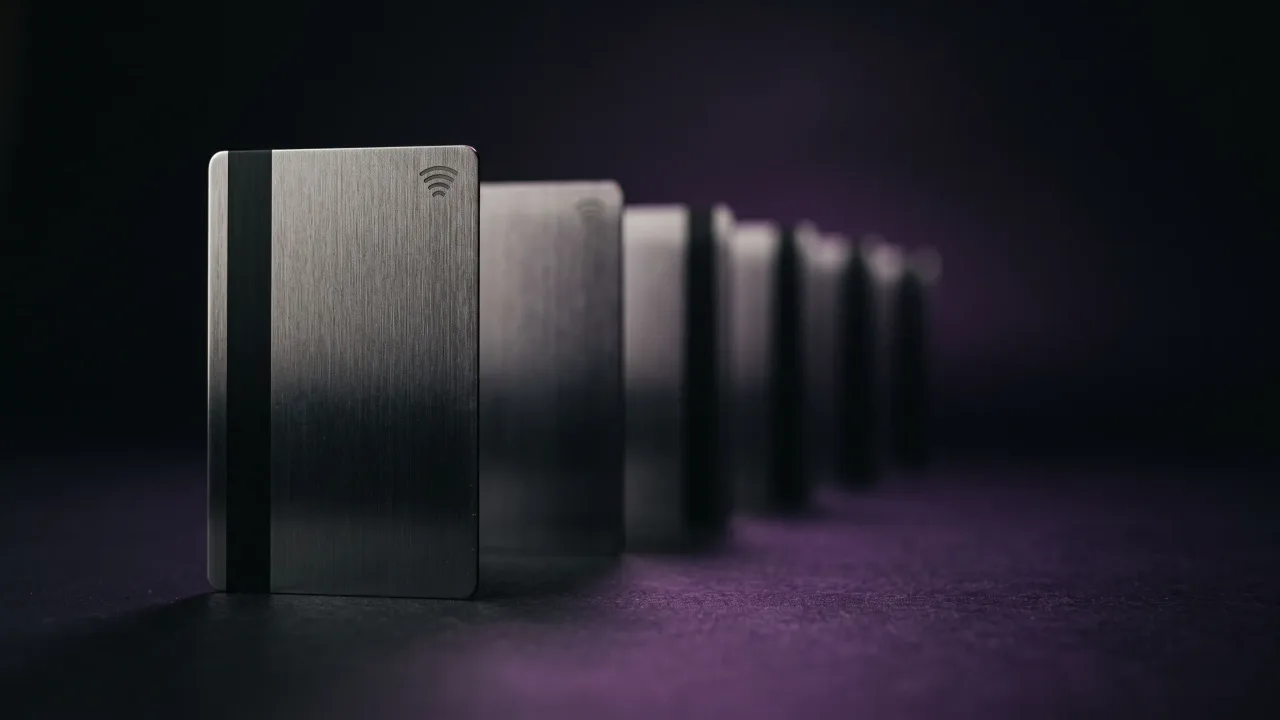
The real question is whether the card survives a wallet and whether anyone keeps it. A flimsy card gets bent, lost, and treated as disposable, which quietly kills the reuse that justified the price. A metal card gets kept, gets noticed, and gets tapped again, and re-tapping is the only way an NFC card earns its cost back. You can weigh up the finishes in the configurator.
Are NFC business cards worth it for a whole team?
For a team the case only gets stronger. Per person, the cost of one card is small next to the recurring print bill for a company that reorders every time someone changes role.
A team rollout also fixes the thing every brand manager hates: cards that drift off-template. Everyone gets the same layout, central updates push to every profile, and onboarding a new hire means provisioning a card instead of waiting on a print run. You can set that up through team orders.
The verdict: are NFC business cards worth it?
Worth it for most people who network, and honestly not worth it for those who barely do. The real test is not the sticker price but how often a card leaves your hand. Hand out cards every week and an NFC card pays for itself inside the first year, through reprints you never make and a profile that never goes stale. Hand out two a year and paper is fine. The one trap to avoid is buying the cheapest NFC card you can find, because a disposable-feeling card kills the reuse that made it worth buying in the first place. Spend once on a card people actually keep, point it at a profile you control, and the money question answers itself.
Price it for yourself: build a card once, edit the profile forever, and skip every reprint from here on.
Design your cardFrequently asked questions
Are NFC business cards worth the money?
For regular networkers, yes. You pay once instead of reprinting a paper box two to four times a year, and the profile behind the card updates for free whenever your details change. If you only hand out a card occasionally, paper is the cheaper choice.
Do NFC business cards actually work?
Yes. A tap opens your profile on the other person's phone with no app to install, and almost every modern phone reads NFC. For older handsets, a QR code on the card does the same job by scan.
How much does an NFC business card cost?
It depends on the material. Plastic cards are the cheapest, while a premium metal card costs roughly as much as a nice dinner for two. The point that matters is that it is a one-time cost with no reprints, unlike paper.
Are NFC business cards worth it for a small business?
Usually yes, because the savings multiply across the team. One card per person removes the recurring print run every time someone is hired or changes role, and central updates keep everyone's branding identical.
How long does an NFC business card last?
The chip has no battery and is rated for many years of taps, so the card outlasts the information on it. Because the details live on an editable profile rather than the chip, the card stays current long after a paper one would be out of date.
Are metal NFC business cards better than plastic?
They tap the same, but a metal card lasts and gets kept, which is what makes an NFC card pay off. It survives a wallet and gets re-tapped, while a flimsy plastic one tends to be treated as disposable, undercutting the reuse you paid for.
Do you need an app to use an NFC business card?
No. The person tapping your card needs no app, since your profile opens in their normal browser. You only sign in to edit your own profile, and the recipient just taps and saves your contact.